
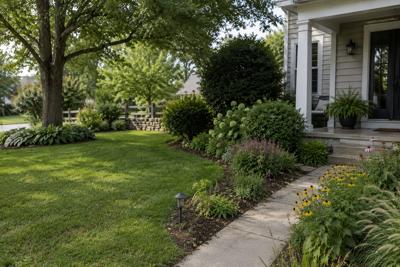
A beautiful landscape does something rather sneaky. It makes a home feel more expensive before anyone sees the kitchen, notices the flooring, or judges the lighting choices in the entryway. The front yard sets the tone. The backyard decides whether people want to stay. Together, they quietly announce whether a home feels cared for, polished, and ready for real life.
The benefits of landscaping go far beyond making the grass greener or adding a few polite shrubs near the walkway. Good landscaping can improve curb appeal, support outdoor living, help manage water more thoughtfully, make a property feel more private, and even change the way homeowners use their space. It is not just decoration. It is the frame around the entire home.
Landscaping Creates the First Impression
Before guests step inside, the landscape has already said quite a bit. A trimmed lawn, healthy plants, clean edging, thoughtful lighting, and a well-kept entry path can make a home feel welcoming and intentional. On the other hand, overgrown shrubs and patchy grass can make even a beautiful house look as if it has been left alone with its own thoughts for too long.
This is one of the most immediate benefits of landscaping: curb appeal. The National Association of REALTORS® has reported that outdoor remodeling projects can carry both financial and emotional value for homeowners, especially when the improvements make the property more enjoyable and attractive. A polished landscape does not need to be extravagant. It simply needs to look considered, maintained, and suited to the home.
A Good Landscape Makes Outdoor Space More Livable
The best landscapes are not just pretty to look at through a window. They make outdoor areas more usable. A shaded seating area, a clean lawn, a garden path, a patio border, or a grouping of well-placed plants can turn a yard into an extension of the home. Suddenly, the outdoor space is not just something to maintain. It becomes somewhere to have coffee, read, entertain, grill, unwind, or escape the house when the group text becomes too much.
Good landscaping also helps define zones. A yard can have a dining area, a lounging area, a garden area, and open lawn space without feeling chaotic. Even simple choices, such as using hedges, planters, mulch beds, or trees to create structure, can make the property feel more finished. For homeowners thinking about the cost of maintaining that look, it helps to understand why fertilizing your lawn properly is only one part of a bigger outdoor-care plan.
Landscaping Can Help Protect the Property
A smart landscape is not only about flowers and weekend compliments. It can also help protect the home. Grading, drainage, ground cover, mulch, trees, and planted areas all affect how water moves around a property. When rainwater has nowhere sensible to go, it can pool near foundations, wash away soil, damage beds, and create muddy, unattractive problem areas.
The U.S. Environmental Protection Agency notes that green infrastructure practices, including rain gardens, tree plantings, and permeable surfaces, can help manage rainwater by using soil, plants, and natural processes. For homeowners, that does not mean every yard needs to become an environmental engineering project. It does mean that thoughtful planting, proper drainage, and better surface choices can make a landscape work harder while still looking beautiful.
Healthy Landscaping Can Make Maintenance Easier
A neglected yard is rarely cheaper in the long run. Weeds spread, bare patches expand, shrubs overgrow, soil compacts, and suddenly the simple weekend tidy-up has become a full-scale outdoor rescue mission. Consistent landscape care helps prevent small issues from becoming expensive and visually dramatic. Nature is lovely, but it does not always respect boundaries.
Regular maintenance keeps the property looking polished and helps plants stay healthier over time. That can include mowing at the right height, pruning correctly, refreshing mulch, watering efficiently, checking irrigation, and addressing weeds before they begin acting like permanent residents. For homeowners who want a stronger foundation, regular lawn maintenance is one of the simplest ways to protect curb appeal before problems become obvious.
Landscaping Can Reduce Visual Clutter
One underrated benefit of landscaping is its ability to make a property feel calmer. Good planting softens hard edges, hides awkward corners, frames views, and draws attention where it belongs. A beautiful tree can distract from a plain wall. A border of shrubs can make a driveway feel less severe. A clean bed of mulch can make even modest plantings look more intentional.
This is where restraint matters. A yard does not need every plant that looked charming at the nursery. In fact, many landscapes look better when they have a clear palette, repeated textures, and enough breathing room for plants to mature. The goal is not to create a botanical argument. The goal is to make the property feel elegant, edited, and easy to understand.
The Right Plants Can Save Time and Water
Choosing plants that suit the local climate is one of the smartest landscaping decisions a homeowner can make. A plant that naturally belongs in the region will usually be easier to maintain than one that needs constant coaxing, watering, and emotional support. Drought-tolerant plants, native plants, and climate-appropriate trees can help reduce unnecessary maintenance while still giving the yard texture, color, and seasonal interest.
Water-wise landscaping does not have to look dry or sparse. With the right design, it can feel lush, sculptural, and sophisticated. Mulch, drip irrigation, grouped planting zones, and soil-appropriate choices can all help reduce waste. For homeowners trying to simplify without giving up beauty, simple lawn care habits can pair well with a landscape that is designed to be easier to live with.
Landscaping Can Increase Privacy
Privacy is one of the most practical benefits of landscaping, especially for homes with close neighbors, visible patios, or outdoor living areas near the street. Trees, hedges, tall grasses, trellises, and layered planting can soften sightlines without making the yard feel boxed in. It is a much prettier solution than pretending not to notice the neighbor while both of you are holding coffee in robes.
The best privacy landscaping feels natural rather than defensive. Layered plants can create depth while still letting light and air move through the space. A well-placed tree may screen an upstairs window. A hedge can define a property line. Tall planters can make a patio feel more intimate. Privacy does not have to mean building a wall. Sometimes it just means giving the eye somewhere better to land.
A Beautiful Yard Can Support Home Value
While no single landscape upgrade guarantees a specific resale result, curb appeal matters. Buyers form opinions quickly, and a cared-for exterior can make a property feel better maintained before the showing even begins. A healthy lawn, trimmed trees, clean walkways, and intentional planting all support the impression that the home has been looked after.
That does not mean every homeowner needs a luxury landscape installation. In many cases, basic maintenance, fresh mulch, pruning, lawn repair, and a few strategic plantings can make a meaningful difference. For homeowners deciding whether to handle projects themselves or hire help, understanding the benefits of professional lawn maintenance can help separate worthwhile spending from unnecessary extras.
Landscaping Makes a Home Feel More Finished
A house without landscaping can feel oddly unfinished, even if the structure itself is beautiful. Plants, trees, lawn areas, pathways, and outdoor lighting help connect the home to its setting. They soften architecture, add movement, and bring in seasonal change. A well-landscaped property feels more settled, as if the home belongs exactly where it is.
This is especially true when landscaping complements the style of the house. A formal home may benefit from symmetry and clipped hedges. A coastal property may feel better with grasses, gravel, and relaxed planting. A modern home may look best with clean lines, sculptural plants, and restrained materials. Good landscaping should flatter the house, not compete with it for attention like a guest who wore white to a wedding.
The Best Landscaping Is Beautiful and Useful
The real benefits of landscaping come from balancing beauty with function. A yard should look good, but it should also work for the people who live there. It should support the way the home is used, make outdoor spaces more inviting, and reduce problems instead of creating new ones. The most successful landscapes are not always the most elaborate. They are the ones that feel natural, cared for, and easy to enjoy.
A polished landscape can improve curb appeal, create outdoor living space, support privacy, help manage water, and make a home feel more complete. It is one of the rare home improvements that can be both practical and deeply pleasurable. After all, a beautiful yard does not just change how the house looks. It changes how it feels to come home.

(0) comments
We welcome your comments
Log In
Post a comment as Guest
Keep it Clean. Please avoid obscene, vulgar, lewd, racist or sexually-oriented language.
PLEASE TURN OFF YOUR CAPS LOCK.
Don't Threaten. Threats of harming another person will not be tolerated.
Be Truthful. Don't knowingly lie about anyone or anything.
Be Nice. No racism, sexism or any sort of -ism that is degrading to another person.
Be Proactive. Use the 'Report' link on each comment to let us know of abusive posts.
Share with Us. We'd love to hear eyewitness accounts, the history behind an article.