
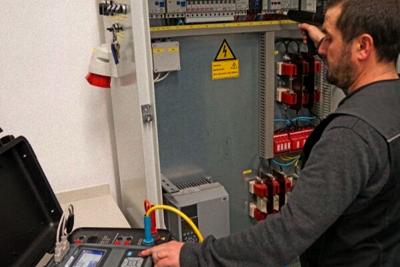

In modern automated production plants, keeping industrial machinery running smoothly comes down to how tough the electrical connections are at the system's hottest stress points. Control panels and junction boxes mounted right on the machine chassis are constantly taking a beating from the physical vibrations caused by motors, presses, and pneumatic actuators. Professional panel builders know that even the tiniest bit of slack at a wire contact point can trigger micro-signal drops or overheating. That's a fast track to shutting down an entire production line. To keep conductivity rock-solid in these harsh environments, engineers rely on terminals shaped specifically for secure mounting on barrier strips and terminal blocks with heavy-duty screw clamps.
Speed and Torque Under the Screw Head in Threaded Clamps
Technicians doing high-volume serial wiring for automation systems need hardware solutions they can actually trust. They need to cut down the physical time it takes to land wires without ever compromising on a solid, permanent mechanical hold. In these fast-paced shop environments, using modern industrial fork terminals is the go-to standard for speeding up maintenance and initial assembly on threaded studs.
Because of its open-ended design, this type of terminal slips right onto a screw post without forcing the electrician to completely back out and remove the screw from its insulating block. This tiny design feature shaves off assembly time and eliminates the annoying downtime of dropping tiny screws onto the bottom of the enclosure. Plus, the fork shape seats perfectly and symmetrically right under the head of the locking screw. This flattens the clamping force over a wide metal surface area, keeping the line's electrical resistance completely stable.
Structural Insulation and Strain Relief in High-Flex Zones
At points where flexible copper wires have to make tight bends or deal with constant, jerky movements from robotic arms, the wire termination takes a ton of mechanical abuse. Over time, that fatigue ruins the connection. To handle this non-stop flexing, industrial wiring specialists use terminals built with a pre-insulated sleeve made of polyamide or reinforced nylon. These feature a funneled interior neck that makes inserting the copper wire core incredibly easy.
This insulation jacket does more than just protect the live metal from shorting against the backplate. It acts as a genuine, flexible strain-relief sleeve for the end of the wire. By gripping the outer jacket of the cable, the insulation spreads the bending stress across a much wider surface area. This stops vibrations from concentrating all that force right at the crimp joint, eliminating the risk of individual metal strands snapping over time.
Plastic Deformation of Copper for Maximum Pull-Out Strength
An industrial electrical contact only lasts if the installation process turns the metal lug and the wire into a single, indivisible structural unit. When crimping fork terminals, panel builders use professional ratcheting tools that control the stroke end. This ensures the tool applies the exact compression force recommended by the manufacturer.
The calibrated pressure from the crimp dies permanently deforms the copper barrel, squishing the wire strands together until all internal air gaps and spaces are completely gone. Sealing those voids keeps out ambient moisture and stops galvanic oxidation from creeping in. The final result is a rock-solid connection that easily clears international pull-test standards, guaranteeing electrical stability and thermal resistance for the entire lifespan of the system.

(0) comments
We welcome your comments
Log In
Post a comment as Guest
Keep it Clean. Please avoid obscene, vulgar, lewd, racist or sexually-oriented language.
PLEASE TURN OFF YOUR CAPS LOCK.
Don't Threaten. Threats of harming another person will not be tolerated.
Be Truthful. Don't knowingly lie about anyone or anything.
Be Nice. No racism, sexism or any sort of -ism that is degrading to another person.
Be Proactive. Use the 'Report' link on each comment to let us know of abusive posts.
Share with Us. We'd love to hear eyewitness accounts, the history behind an article.