
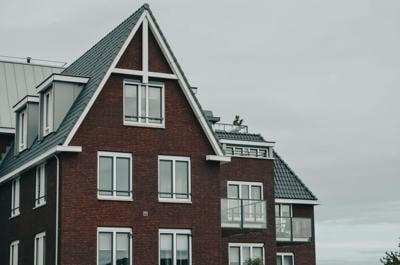

Your roof does a lot more than sit on top of your house looking important. It helps control temperature, blocks water, and protects pretty much everything you own. If it’s getting worn out, your home can feel drafty, stuffy, or just plain off. The good news is that smart roofing upgrades don’t have to feel confusing. Once you know what to look for, it’s easier to make choices that improve comfort, protect your budget, and keep your home feeling cozy in every season.
Start with the roof
If your home feels too hot upstairs, chilly in winter, or damp after storms, your roof might be part of the problem. A quick look from the ground can tell you some things, but a real inspection gives you the bigger picture. That’s often the best first step before you spend money on random fixes that don’t solve much.
When you’re comparing contractors, look for a company that handles inspections, repairs, and full replacements with a clear process. Homeowners often turn to C3 construction when they need help figuring out whether a roof needs a simple repair or a bigger upgrade. That kind of guidance matters because not every roofing issue calls for a total tear-off.
Think of your roof like a winter coat for your house. If the coat has holes, missing buttons, and a broken zipper, you’ll feel it. Starting at the top helps you make smarter decisions for the whole home.
Signs you should act
Some roof problems whisper. Others shout. The trick is catching the whispers before they become expensive yelling. One of the most common signs is a water stain on the ceiling. It may look small, but water likes to travel, so the leak might not be directly above that spot.
You should also pay attention to missing or curling shingles, sagging areas, dark streaks, and bits of shingle grit showing up in your gutters. If your energy bills have climbed and your HVAC system seems to work overtime, your roof may not be sealing and insulating your home as well as it should.
Inside the house, warning signs can include:
- Musty attic smells
- Hot or cold upstairs rooms
- Peeling paint near the ceiling
- Light showing through attic boards
None of these automatically mean roof disaster, but they do mean it’s time to stop guessing. A timely inspection can save you from the kind of surprise repair bill that makes your wallet do a backflip.
Materials that make sense
Roofing materials can sound like a menu written by a contractor poet, but the basics are simple. Asphalt shingles are popular because they’re affordable, easy to match with most homes, and generally simple to maintain. For many homeowners, that makes them a practical and budget-friendly choice.
Metal roofing is another option worth considering. It often lasts longer and can reflect heat well, which may help with summer comfort. It also gives a home a crisp, updated look. The downside is usually the higher upfront cost, though some people find the long-term value worth it.
Tile and slate have a classic, upscale appearance and strong durability, but they’re heavier and often more expensive. They may not suit every home structure or budget.
The best material usually depends on a few real-life things:
- Your local weather
- Your budget
- Your home’s style
- How long you plan to stay
A roof should look good, sure, but it also needs to do its job when the weather gets moody.
Ventilation matters too
A lot of homeowners focus on shingles and forget about ventilation, which is a bit like buying fancy sneakers and ignoring the socks. Roof ventilation helps air move through the attic, which can make a big difference in both comfort and roof lifespan.
When hot air gets trapped in the attic during summer, the rooms below can feel warmer too. Your air conditioner works harder, and your energy bill may climb right along with the temperature. In cooler months, poor ventilation can let moisture build up, which may lead to mold, mildew, or wood damage.
Good ventilation can help with:
- More even indoor temperatures
- Less attic moisture
- Better energy efficiency
- Longer-lasting roofing materials
If you’ve ever had one bedroom that feels like a toaster oven while the rest of the house seems fine, ventilation might be a missing piece. It’s not the flashiest upgrade, but it can quietly improve comfort every single day.
Timing the project right
The best time to deal with roofing issues is before they become emergencies. That sounds obvious, yet plenty of people wait until a storm turns a small weak spot into a giant living room problem. Planning ahead gives you more time to compare estimates, ask questions, and budget without panic.
Spring and fall are often popular seasons for roof work because the weather is usually more predictable. Summer can also work, though extreme heat may slow things down in some areas. Winter repairs are possible in many places, but timing can be trickier depending on conditions.
If your roof is getting older, schedule inspections regularly even if it looks fine from the driveway. It’s also smart to book one after major storms. You don’t need to replace a roof just because it has birthdays, but age does matter.
A planned project usually feels less stressful than an emergency one. Your future self will probably be very grateful, and much drier.
Comfort beyond curb appeal
A better roof can make your home look sharper from the street, but the real benefits show up in everyday life. You may notice fewer drafts, steadier indoor temperatures, and less worry every time dark clouds roll in. That peace of mind is hard to put a price on.
There’s also the sound factor. Some roofing systems and attic improvements can help reduce outside noise, which is great if you live near traffic, barking dogs, or that one neighbor who treats lawn care like a competitive sport. A roof upgrade can also support resale value because buyers like homes that feel cared for and move-in ready.
Most of all, roofing improvements support how your home feels to live in. Comfortable bedrooms, a drier attic, and lower chances of surprise leaks all add up. It’s not just about fixing the top of the house. It’s about making the whole place work better for the people inside it.
A smart roof choice isn’t just overhead. It’s a comfort upgrade hiding in plain sight.

(0) comments
We welcome your comments
Log In
Post a comment as Guest
Keep it Clean. Please avoid obscene, vulgar, lewd, racist or sexually-oriented language.
PLEASE TURN OFF YOUR CAPS LOCK.
Don't Threaten. Threats of harming another person will not be tolerated.
Be Truthful. Don't knowingly lie about anyone or anything.
Be Nice. No racism, sexism or any sort of -ism that is degrading to another person.
Be Proactive. Use the 'Report' link on each comment to let us know of abusive posts.
Share with Us. We'd love to hear eyewitness accounts, the history behind an article.