
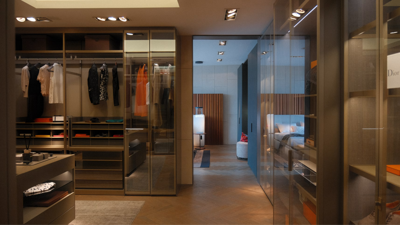

A well-designed dressing room isn't just a spot to keep your clothes. It's your own personal retreat, a place to get ready for the day or unwind in the evening. Turning a spare room or even just a part of your bedroom into a custom dressing area can really bring a sense of calm and luxury to your everyday. This guide will walk you through the main things to think about so you can create a space that's both beautiful and works perfectly for you.
Planning Your Dressing Room Layout
Before you start picking out colours or fixtures, the first thing to do is plan the layout. Begin by carefully measuring your room, including where the windows, doors, and any unique features like sloped ceilings or chimney breasts are. Think about how you'll move through the space during your daily routine. Where will you stand to get dressed? How will you go from one storage area to another?
Consider setting up different zones for different activities. You might want a specific spot for doing your makeup with good lighting, a comfy place to put on shoes, and a full-length mirror to check your final look. A smart layout makes sure every bit of the room is used well. For a complete overview, a guide to crafting the perfect dressing room can give you more ideas on making the most of your floor plan.
Essential Elements for a Functional Space
A truly useful dressing room needs to balance storage with important practical stuff. Good lighting is a must-have. It’s best to have a mix of general overhead light, like a fancy chandelier, and focused task lighting around mirrors and inside wardrobes. Choose LED lights with a high Colour Rendering Index (CRI) so you can see the true colours of your clothes.
You definitely need a full-length mirror, and having a second, smaller mirror near a vanity or seating area is also handy. Speaking of seating, a comfy ottoman, bench, or armchair gives you a practical spot to sit while putting on shoes and adds a touch of class. Don't forget about airflow; good ventilation keeps clothes fresh and stops the room from feeling stuffy. Following these dreamy dressing room tips will help you create a space that’s as practical as it is stylish.
Designing for Personal Style
Your dressing room should really show off your personal style and fit in with the rest of your home's look. The materials and colours you pick will set the mood for the space. For a classic, timeless feel, think about solid wood cabinets in oak or walnut. If you like a more modern vibe, sleek, handleless doors with a matte or high-gloss finish could be perfect.
Colour palettes can go from peaceful neutrals to bold, dramatic shades. Lighter colours can make a smaller room feel bigger and brighter, while darker tones can create a cosy, boutique-like atmosphere. Don't forget the little things. The handles, light fixtures, and soft furnishings like rugs and curtains will tie the whole design together and make the space uniquely yours.
Working with a Design Expert
While you can definitely plan a dressing room yourself, getting professional help can really take the project up a notch. A designer can come up with creative solutions you might not have thought of, helping you steer clear of common mistakes and get the most out of your space. They can even create detailed 3D visualisations, allowing you to see exactly how the finished room will look before any work begins.
Working with a company that designs bespoke dressing rooms helps ensure the entire project runs smoothly, from the initial design through to installation. Their experience allows them to recommend layouts, materials, and storage solutions tailored to your space, creating a dressing room that's both practical and beautifully finished.
Maximizing Storage Solutions
The most important part of any dressing room is its storage. A custom approach lets you build a system that fits your wardrobe perfectly. Start by taking stock of what you own. How many long coats do you have compared to shorter jackets? How many pairs of shoes, bags, and accessories need a home?
Your storage setup should include a mix of solutions:
- Hanging Space: Add double-height rails for shirts and trousers, plus full-length hanging for dresses and coats.
- Drawers: Shallow drawers are great for organising jewellery, ties, and belts, while deeper ones can hold sweaters and T-shirts.
- Shelving: Open shelves are perfect for showing off designer handbags or neatly folded jumpers. Angled shoe shelves make it easy to see all your shoes at once.
- Accessory Storage: Think about custom drawer inserts for watches and sunglasses, or pull-out racks for scarves and belts.
A well-organised dressing room can make your daily routine so much simpler, making it easy to find whatever you need. Taking the time to plan a space that’s both organised and beautiful is a great investment in your home and how you live.

(0) comments
We welcome your comments
Log In
Post a comment as Guest
Keep it Clean. Please avoid obscene, vulgar, lewd, racist or sexually-oriented language.
PLEASE TURN OFF YOUR CAPS LOCK.
Don't Threaten. Threats of harming another person will not be tolerated.
Be Truthful. Don't knowingly lie about anyone or anything.
Be Nice. No racism, sexism or any sort of -ism that is degrading to another person.
Be Proactive. Use the 'Report' link on each comment to let us know of abusive posts.
Share with Us. We'd love to hear eyewitness accounts, the history behind an article.