
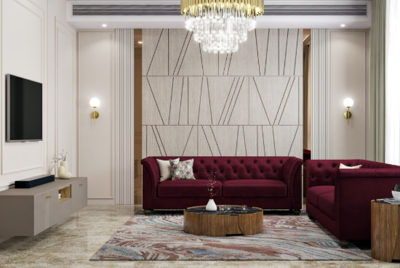

A living room has to do a lot. It needs to look beautiful, feel comfortable, welcome guests, survive everyday life, and somehow hide the fact that the throw blanket on the sofa is doing more emotional labor than most furniture in the house.
That is why the best living room decor ideas rarely start with one trendy chair or a dramatic paint color. They begin with the big surfaces: the floor, the windows, and the walls. These three elements set the mood before anyone notices the pillows, coffee table books, or the candle that smells expensive but has never actually been lit.
When floors, window treatments, and wall coverings work together, a living room feels intentional instead of assembled one sale at a time. The goal is not to chase every trend. The goal is to create a room with warmth, texture, flow, and enough personality to feel like someone with taste lives there.
Start With the Surfaces That Shape the Room
Before choosing accessories, look at the bones of the room. Flooring, walls, and windows take up the most visual space, which means they influence everything else. A sofa can be beautiful, but if the floor feels dated, the walls feel flat, and the windows look forgotten, the room will still feel unfinished.
This is where thoughtful living room decor ideas become more useful than impulse decorating. The large surfaces should support the way the room is used. Is the living room formal or casual? Bright or moody? Family-friendly or more polished? Does it need to handle pets, children, entertaining, movie nights, or all of the above before noon?
For homeowners refreshing more than one room, FINE’s guide to simple home upgrades that add everyday value is a helpful companion because flooring, paint, lighting, and textiles often work best when they are considered together.
Use Flooring as a Design Feature
The floor is no longer just the thing under the rug. It is one of the most powerful design features in the living room. Wood, stone, tile, luxury vinyl, carpet, and large rugs all influence how formal, relaxed, modern, or cozy the space feels.
Wide-plank wood floors continue to be popular because they make rooms feel warmer and more expansive. Natural oak, walnut, maple, and soft brown tones tend to age better than overly gray or orange finishes. The National Association of REALTORS has reported renewed homeowner interest in wood floors, including the variety of species, finishes, plank lengths, and durability options now available.
If replacing the floor is not realistic, a generous area rug can still change the room. Choose one large enough that at least the front legs of the main furniture pieces sit on it. A tiny rug floating in the middle of the room is not a design statement. It is a postage stamp asking for help.
Consider Pattern Without Letting It Take Over
Patterned floors can be beautiful, but restraint matters. Herringbone, chevron, soft stone patterning, and subtle geometric tile layouts can add sophistication without overwhelming the room. The key is to choose a pattern that supports the architecture rather than competes with everything else.
In a traditional home, herringbone wood can feel classic and elegant. In a modern living room, large-format tile or a quiet tone-on-tone pattern can create visual interest without looking busy. In open-concept spaces, flooring should also help rooms flow together rather than making each area feel like it is auditioning for a different house.
Bring Back Carpet Carefully
Wall-to-wall carpet is not the automatic default it once was, but it is not gone either. In the right room, carpet can add softness, warmth, and sound absorption. This is especially useful in media rooms, upstairs lounges, bedrooms that open into sitting areas, or living rooms where comfort matters more than formality.
The better versions feel tailored, not tired. Low-pile, wool-blend, textured, or subtly patterned carpets can look current when paired with clean furniture and elevated window treatments. Avoid overly plush, shiny, or dated carpet styles that make the room feel like it has been waiting for a renovation since 1998.
Layer Window Treatments for Light and Privacy
Window treatments are often treated as an afterthought, which is unfortunate because bare windows can make a room feel unfinished. Layering is one of the most practical living room decor ideas because it gives you control over light, privacy, and mood.
A simple combination of woven shades and linen drapery can soften a space instantly. Sheer curtains filter daylight beautifully, while heavier drapes add warmth and privacy at night. Roman shades, tailored panels, and natural woven blinds can all work, depending on the style of the room.
The U.S. Department of Energy notes that energy-efficient window coverings can help manage heat gain, heat loss, comfort, privacy, and natural light. In other words, beautiful window treatments can do more than make a room look dressed. They can help the room feel better too.
Choose Natural Fabrics and Softer Tones
Natural fabrics such as linen, cotton, wool, and woven grasses bring texture into a living room without making it feel overdecorated. They also soften harder materials like wood, metal, glass, and stone.
Muted tones are especially useful for window treatments because they work quietly in the background. Ivory, oatmeal, warm gray, soft taupe, muted olive, dusty blue, and pale clay can all add depth without demanding attention. The best window treatments do not scream. They clear their throat elegantly and make the room better.
Make the Walls Do More Than Hold Art
Walls can add texture, mood, and architecture, even in a plain room. Paint is the simplest place to start, but it is not the only option. Limewash, plaster-style finishes, grasscloth, wallpaper, millwork, picture-frame molding, and wood paneling can all make a living room feel more finished.
The Environmental Protection Agency explains that volatile organic compounds can be emitted from a wide range of products, including some paints, cleaners, adhesives, and building materials. That makes ventilation and product selection worth considering when updating walls, floors, and finishes inside the home.
For a broader design refresh, FINE’s article on how to transform your home with simple but effective renovations offers additional ideas for updating rooms without turning the house into a construction zone.
Try Wall Paneling for Texture and Architecture
Wall paneling has moved far beyond the dark, heavy versions many people remember from older dens. Today’s options include fluted wood, reeded panels, painted millwork, vertical slats, shiplap used sparingly, and clean picture-frame molding.
Paneling can make a flat room feel more architectural. Vertical lines can make ceilings feel taller. Painted molding can add quiet elegance. Natural wood paneling can warm up a modern space. The trick is choosing the right scale. Too much paneling in the wrong finish can make the room feel themed, and unless the theme is “expensive lodge with excellent lighting,” that may not be the goal.
Use Wallpaper for Mood, Not Just Pattern
Wallpaper is one of the fastest ways to give a living room depth. Textured grasscloth, soft geometric prints, mural-style landscapes, subtle metallics, and painterly patterns can all work beautifully when used with restraint.
For a living room, wallpaper does not always need to cover every wall. A fireplace wall, built-in niche, reading corner, or dining-living transition area can be enough. The goal is to create mood and interest, not to make guests wonder whether the room has been gift-wrapped.
If art is already the main wall feature, FINE’s article on transforming empty walls with creative canvas prints can help homeowners decide when to use artwork instead of a larger wall-covering treatment.
Balance Warmth, Texture, and Negative Space
The best living rooms have a balance of materials. A wood floor, woven shade, linen curtain, velvet chair, ceramic lamp, stone coffee table, and matte wall finish can create a layered room without needing loud color or obvious trend pieces.
Houzz’s 2026 home design trend reporting points to longevity, natural materials, and layered elements such as wood, stone, metal, and high-quality textiles. That direction works especially well in living rooms because it favors depth over decoration and comfort over performance.
Negative space matters too. Every corner does not need a plant, a basket, a sculpture, a floor lamp, and a small table holding a book nobody is reading. A room needs breathing room. Luxury often lives in restraint, which is excellent news for anyone tired of dusting decorative objects with no clear purpose.
Connect the Sofa to the Room Around It
The sofa may be the largest piece of furniture, but it should not feel disconnected from the surfaces around it. Flooring, rugs, walls, and window treatments should all support the sofa’s shape, color, and scale.
A curved sofa can soften angular architecture. A structured sofa can bring order to a room with patterned wallpaper or layered textiles. A neutral sofa can handle bolder rugs or walls, while a colorful sofa usually needs calmer supporting elements. FINE’s guide to choosing the perfect sofa for your space is useful here because the sofa and the room’s surfaces should feel like they were introduced before moving in together.
Living Room Decor Ideas That Feel Current Without Looking Trendy
The most livable rooms borrow from trends without becoming trapped by them. Warm wood, layered textiles, earthy color, textured walls, tailored drapery, large rugs, and natural materials all feel current, but they are not so specific that the room will look dated the moment a new trend report appears.
The better approach is to choose surfaces that give the room a strong foundation, then layer in smaller pieces that are easier to change later. A rug can be replaced. Pillows can be swapped. Paint can be updated. A full flooring mistake is a much more dramatic relationship to have with regret.
What to Ask Before Updating Floors, Windows, or Walls
- Does this material fit the way the room is actually used?
- Will the floor, window treatments, and walls work together?
- Is the color palette warm, cool, or mixed?
- Does the room need more texture or more calm?
- Will this choice still look good in five years?
- Is maintenance realistic for this household?
- Does the room feel finished without feeling crowded?
The Bottom Line on Living Room Decor Ideas
The best living room decor ideas do not rely on one dramatic purchase. They come from making the room’s biggest surfaces work together. Floors bring foundation, window treatments control light and softness, and walls create mood and depth.
When those elements are handled well, everything else becomes easier. The sofa looks better. The rug makes sense. The art feels intentional. Even the throw pillows seem less like a cry for help. A well-designed living room is not about following every trend. It is about creating a space that feels warm, polished, personal, and ready for real life.

(0) comments
We welcome your comments
Log In
Post a comment as Guest
Keep it Clean. Please avoid obscene, vulgar, lewd, racist or sexually-oriented language.
PLEASE TURN OFF YOUR CAPS LOCK.
Don't Threaten. Threats of harming another person will not be tolerated.
Be Truthful. Don't knowingly lie about anyone or anything.
Be Nice. No racism, sexism or any sort of -ism that is degrading to another person.
Be Proactive. Use the 'Report' link on each comment to let us know of abusive posts.
Share with Us. We'd love to hear eyewitness accounts, the history behind an article.