
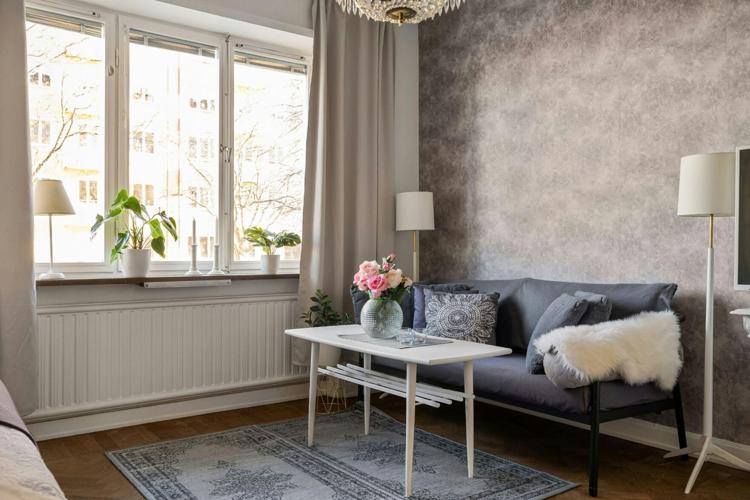
We often treat a room as scenery, something we barely notice. In truth, the spaces we live in quietly shape how we feel, think, and rest.
The link between design and wellbeing is not a matter of taste alone. It is measurable, and it touches daily life more than most of us realise.

Your Space Is Not Just a Backdrop
Every room sends signals to the brain through light, colour, texture, and layout. We read these cues without noticing, and our mood follows.
A cluttered, dim space can raise tension. A calm, well-lit one can settle it. The effect is subtle but constant, hour after hour.
The Evidence: A View Can Change How We Heal
This is not soft thinking. In 1984, environmental psychologist Roger Ulrich published a landmark study in the journal Science.
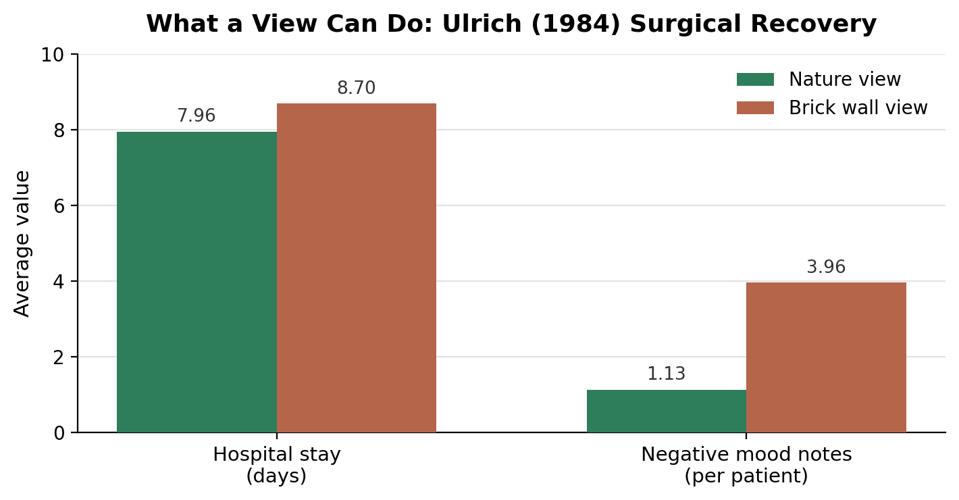
He compared surgery patients in near-identical rooms. Those who could see trees from their window recovered better than those facing a brick wall.
The tree-view group left hospital sooner and needed fewer strong painkillers. Nurses also recorded far fewer negative mood notes for them.

The physician and author Esther Sternberg makes a similar case in her book Healing Spaces, arguing that our surroundings and our contact with nature measurably shape health.
Where Design and Wellbeing Meet: A Lesson From Great Hotels
The hospitality world understands this instinctively, because rest is the product it sells. The best resorts are wellbeing engineered into architecture.
The family-run Myconian Collection, a group of design-led mykonos greece hotels, builds its properties around natural light, hand-cut local stone, and open sea views.
Indoor and outdoor spaces blur, materials are drawn from the island itself, and the spas are built for deep rest. The same principles scale down to any home.
The Elements That Shift How We Feel
A few design choices carry most of the emotional weight. The table below shows what they do and where they work best.
Design choice | Effect on mood | Best suited to |
|---|---|---|
Abundant natural light | Lifts mood, aids sleep and focus | Living areas, kitchens, workspaces |
Views of nature and plants | Lower stress, aid recovery | Any room, especially rest spaces |
Cool colours (blue, green) | Calming, slow the pace | Bedrooms and bathrooms |
Warm colours (red, amber) | Energising and sociable | Dining and gathering spaces |
Natural materials (wood, stone) | Grounding, warm, tactile | Whole-home finishes |
Clutter-free layout | Frees attention, eases the mind | Workspaces and bedrooms |
Bringing It Into Your Home
Start with light. Pull seating toward windows, swap heavy drapes for sheer ones, and let daylight reach where you work and rest.
Add a living element or two, since even a single plant or a glimpse of green softens a room. Then choose colours by purpose, cool tones to calm and warm tones to gather.
Clear the surfaces you see most, because visual clutter quietly drains focus. Small, steady changes matter more than one large renovation.
You can carry the same calm into your travels. Our travel pages feature stays that are designed around rest.
Frequently Asked Questions
Does design really affect mental health?
Yes. Research links natural light, greenery, colour, and order to lower stress, better sleep, and improved mood.
What is the single most important element?
Natural light. It supports mood, sleep, and focus, and it costs nothing to use more of.
Which colours are most calming?
Cool tones such as blue, green, and soft grey tend to relax the body. Warm tones energise and suit social rooms.
What is biophilic design?
It is the practice of bringing nature indoors, through plants, natural materials, and views, to support wellbeing.
Do I need to spend a lot?
No. Better light, less clutter, natural materials, and a few plants deliver most of the benefit at little cost.
Beautiful spaces are not a luxury for the eyes alone. They are a daily input to how we feel, and they reward small, thoughtful choices.
For more on living well, explore our health and wellness section.
References
Ulrich, R. S. (1984). View through a window may influence recovery from surgery. Science.
Sternberg, E. Healing Spaces: The Science of Place and Well-Being.
Myconian Collection, official website.


(0) comments
We welcome your comments
Log In
Post a comment as Guest
Keep it Clean. Please avoid obscene, vulgar, lewd, racist or sexually-oriented language.
PLEASE TURN OFF YOUR CAPS LOCK.
Don't Threaten. Threats of harming another person will not be tolerated.
Be Truthful. Don't knowingly lie about anyone or anything.
Be Nice. No racism, sexism or any sort of -ism that is degrading to another person.
Be Proactive. Use the 'Report' link on each comment to let us know of abusive posts.
Share with Us. We'd love to hear eyewitness accounts, the history behind an article.