
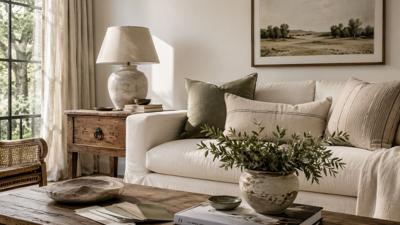

Title Interior Design Without Breaking The Bank Subheader How to make your home look expensive with smarter design choices, better lighting, and pieces that look far more luxurious than they cost
There is a difference between a home that looks expensive and a home that simply has expensive things in it. The first one feels thoughtful, layered, comfortable, and polished. The second one can still feel unfinished if the scale is wrong, the lighting is harsh, the furniture is floating awkwardly, or every surface is crowded with things that were bought to “complete the room.”
That is the secret behind interior design without breaking the bank. It is not about pretending a discount lamp is a designer collectible or filling a room with trendy pieces that will feel tired by next year. It is about knowing where the eye goes first, what makes a room feel considered, and which upgrades create the most impact for the least waste.
Most rooms do not need a total makeover. They need better lighting, a stronger focal point, warmer materials, improved scale, cleaner styling, and one or two pieces that make everything else look intentional. A beautiful home is rarely built in one weekend. It is edited, layered, and improved over time.
If your goal is to make your home look more luxurious without spending like you are furnishing a showhouse, start with the design moves that professionals use all the time. They are quieter than a shopping spree, but they work.
Stop Buying Before You Study The Room
The fastest way to waste money on home design is to start shopping before you know what the room needs. A new chair will not fix bad lighting. A trendy coffee table will not solve a layout problem. More pillows will not make a room feel finished if the rug is too small or the curtains are hung too low.
Before buying anything, stand in the doorway and look at the room as a photograph. What do you notice first? Is that the thing you want people to notice first? If the answer is no, that is your starting point.
A room may feel unfinished because the walls are bare, the furniture is pushed against every wall, the lighting comes from one harsh overhead fixture, or the color palette has no contrast. Once you identify the real problem, the solution becomes much cheaper. You may not need a new sofa. You may need a larger rug, a better lamp, and art that gives the room a focal point.
This is where affordable interior design ideas become more useful than impulse purchases. The goal is not to buy more. The goal is to make better decisions in the right order.
Make The Layout Feel More Custom
A well-arranged room instantly looks more expensive. Custom homes and designer spaces usually have one thing in common: the furniture feels placed with purpose. There is a clear conversation area, enough walking space, and a natural reason for everything to be where it is.
Start by pulling furniture slightly away from the walls when the room allows it. Even a few inches can make a space feel less rigid. Angle a chair toward the sofa. Add a small table where someone would naturally set a drink. Make sure the front legs of the sofa and chairs touch the rug, or choose a larger rug if the current one is making the room look smaller.
Scale matters more than most people think. A tiny rug under a large sofa makes a room look accidental. Curtains that stop at the window frame can make ceilings feel lower. A coffee table that is too small can make the seating area feel scattered. These are not luxury problems. They are proportion problems, and they can often be fixed without replacing everything.
If you are refreshing a living room, start with the layout before buying décor. If the room feels better once the furniture is placed properly, every future purchase will work harder.
Use Paint Like A Designer
Paint is still one of the strongest tools for interior design without breaking the bank, but the trick is choosing color with intention. A fresh coat of paint should not just cover old walls. It should change the mood of the space.
Warm whites, soft taupes, muted greens, deep blues, olive tones, mushroom shades, and rich earthy colors can make a room feel more layered than flat gray or builder beige. In 2026, interiors are moving away from overly plain neutral rooms and toward spaces with more texture, warmth, and personality. That does not mean every wall needs to be dramatic. It means color should feel chosen, not default.
For a high-end look on a smaller budget, consider painting a powder room, bookcase, interior door, fireplace wall, dining room ceiling, or built-in cabinetry. These smaller projects create impact without requiring gallons of paint or a full-room commitment.
Finish matters, too. A satin or eggshell finish can feel refined in living spaces, while high-gloss should be used carefully because it shows imperfections. If you are painting indoors, especially in bedrooms or frequently used rooms, look for low-VOC or zero-VOC options and ventilate properly. According to the U.S. Environmental Protection Agency, many VOC concentrations can be higher indoors than outdoors, and they are emitted by a wide range of products including paints and finishes. For more information, visit the EPA’s guide to volatile organic compounds and indoor air quality.
Upgrade The Lighting Before The Furniture
Lighting is where budget rooms often reveal themselves. A beautiful sofa under one cold overhead light will never look as good as a modest sofa in a room with soft, layered lighting.
Think in layers. A room should have ambient lighting, task lighting, and accent lighting. That might mean an overhead fixture, a floor lamp near a reading chair, a table lamp on a console, and a small picture light above art. The mix creates depth and shadow, which makes a room feel more expensive.
You do not need to rewire the house to improve the lighting. Plug-in sconces, rechargeable picture lights, shaded table lamps, and floor lamps can make a major difference. Even changing the lampshades can soften a room immediately.
Pay attention to bulb temperature. Harsh white bulbs can make a living room feel like a waiting room. Warmer bulbs usually make wood, linen, stone, paint, and skin tones look better. It is one of the least glamorous upgrades, but it is also one of the most effective.
Choose One Expensive Looking Anchor
A room does not need every piece to be high-end. It needs one or two anchors that make the rest of the space feel elevated. This could be a beautiful rug, a substantial coffee table, a statement mirror, a pair of sculptural lamps, a vintage cabinet, or art that gives the room personality.
The anchor should be the piece that carries visual weight. In a bedroom, that might be the bed, bedding, or nightstands. In a dining room, it may be the lighting fixture or chairs. In an entryway, it might be a console table, mirror, and lamp combination.
This is where spending slightly more can save money. A cheap room full of cheap pieces often looks busy. A restrained room with one strong piece and simpler supporting items can look much more luxurious.
The best affordable interior design ideas are not always the cheapest ones. They are the ones that make the largest visual difference and prevent you from buying five smaller things that still do not solve the room.
Let Vintage Pieces Add Character
Vintage and secondhand pieces are one of the best ways to make a home look collected instead of copied from a showroom. They bring patina, age, and shape into a room, which is especially useful when newer furniture starts to feel too perfect or flat.
Look for vintage mirrors, wood dressers, ceramic lamps, small tables, framed art, books, trays, dining chairs, and cabinets. These pieces often have better proportions and materials than many new budget items. A vintage sideboard with new hardware can look far more expensive than a brand-new particleboard cabinet.
The trick is to shop with discipline. Do not buy something only because it is inexpensive. Check the scale, condition, and shape. If the frame is good, the finish can often be changed. If the shape is bad, no paint color will save it.
Pairing old and new pieces is what gives a room dimension. A modern sofa looks warmer beside a vintage wood table. A sleek kitchen feels more personal with antique art. A simple bedroom gains character with a secondhand bench or old ceramic lamp.
Use Textiles To Make The Room Feel Finished
Textiles are where comfort and luxury meet. A room with flat surfaces and no softness rarely feels inviting, no matter how much the furniture costs.
Start with rugs, curtains, pillows, throws, bedding, and upholstery. These pieces bring color, pattern, texture, and warmth into the home. A linen curtain panel hung high and wide can make a basic window feel architectural. A larger rug can make a living room feel grounded. Better pillow inserts can make inexpensive covers look fuller and more custom.
In the bedroom, upgraded bedding can make the entire room feel more expensive. You do not need the most costly sheets on the market, but you do need layers that look intentional: a fitted sheet, flat sheet if you use one, duvet or coverlet, sleeping pillows, and a few decorative pillows that do not require dismantling a mountain before bed.
Texture is especially important in neutral rooms. If the palette is cream, beige, white, or gray, bring in linen, boucle, wool, jute, wood, cane, leather, stone, or ceramic. Without texture, neutrals can look unfinished. With texture, they feel calm and expensive.
Make Hardware And Small Fixtures Work Harder
Small details can quietly change the way a room feels. Cabinet knobs, drawer pulls, switch plates, curtain rods, towel bars, door handles, and lampshades are not usually the most exciting purchases, but they can make a space look more finished.
In a kitchen or bathroom, updated hardware can give older cabinetry a cleaner look without a full remodel. In a living room, a better curtain rod can make inexpensive curtains feel more tailored. In a hallway, replacing a dated flush-mount light can make the entire entry feel fresher.
The key is consistency. You do not need every metal finish in the home to match perfectly, but the choices should look intentional. Matte black, aged brass, polished nickel, and bronze can all work beautifully when repeated with restraint.
These small upgrades are especially useful in older homes where the main elements are still in good condition. Instead of replacing everything, refine the pieces people touch and see every day.
Style Surfaces With Restraint
A room can have beautiful furniture and still look cluttered if every surface is overloaded. Styling is not about filling every blank space. It is about giving the eye places to rest.
For coffee tables, try a stack of books, a tray, a small object, and something natural like flowers or branches. For shelves, mix books vertically and horizontally, then add pottery, framed photos, small art, or sculptural pieces. Leave some open space. Empty space is part of the design.
Avoid scattering tiny objects everywhere. Small décor can quickly make a room look busy. Larger pieces usually feel more expensive, even when they are affordable. One oversized bowl on a dining table looks more polished than five unrelated small objects.
Editing is the difference between styled and crowded. If you are unsure, remove a third of the accessories and see whether the room feels better. It often will.
Add Art That Looks Personal
Art is one of the easiest ways to make a home feel more personal, but it is also where many people freeze because original art can be expensive. The good news is that art does not need to be costly to look considered.
Frame vintage prints, family photography, travel photos, textile fragments, sketches, or inexpensive works from local artists. Use larger frames and proper mats to give smaller pieces more presence. A gallery wall can work beautifully, but only when the spacing feels intentional and the frames relate to each other.
For a more elevated look, avoid generic mass-produced art that looks like it came with the frame. The art in your home should say something about you, even quietly. A black-and-white photo from a meaningful trip will usually feel better than a random canvas chosen only because it matched the sofa.
For more inspiration, visit FINE Magazine’s Interior Design section.
Bring In Natural Materials
Natural materials make a room feel richer because they add variation. Wood grain, stone veining, woven fibers, clay, linen, leather, and ceramic all bring texture that cannot be fully duplicated by flat synthetic finishes.
You do not need an expensive renovation to bring these materials into the home. A wood bowl, stone tray, ceramic lamp, linen curtain, rattan basket, woven shade, or jute rug can shift the feeling of a room. These materials are especially helpful in newer homes that feel too plain or builder-basic.
Plants also help. A tall olive tree, rubber plant, palm, or simple branch arrangement can soften hard corners and bring movement into a space. If real plants are not practical, use high-quality faux greenery sparingly and place it where it looks natural.
The goal is not to decorate with nature as a theme. The goal is to add materials that feel grounded, tactile, and calm.
Refresh The Rooms People Notice First
If the budget is limited, focus on the rooms that create the strongest daily impression. The entryway, living room, powder room, dining area, and primary bedroom usually matter most.
An entryway can be transformed with a mirror, narrow console, lamp, tray, and basket for shoes or bags. A powder room can feel dramatic with paint, wallpaper, a better mirror, and upgraded hand towels. A bedroom can feel more luxurious with better bedding, layered lighting, and uncluttered nightstands.
You do not need to redesign the entire home at once. In fact, you probably should not. Finishing one room properly is better than half-finishing five rooms with random purchases.
Work room by room. Set a budget. Decide what must stay, what can be moved, what should be removed, and what one or two purchases would make the biggest difference. This approach feels slower, but it usually creates a better home.
Know When A Professional Opinion Saves Money
Hiring an interior designer for a full project may not be in the budget, but that does not mean professional guidance is off the table. Many designers offer consultations, paint advice, floor plans, shopping lists, or room reviews.
A one-hour consultation can prevent expensive mistakes. It can help you choose the right sofa size, avoid a bad paint color, fix a furniture layout, or understand why a room feels wrong. For homeowners who want the designer look without the full-service cost, this can be a smart compromise.
You can also use professional help for one decision, then handle the rest yourself. That might mean asking a designer to select paint colors, review a furniture plan, or help source lighting. Sometimes the most budget-friendly move is paying for clarity before making costly purchases.
Expensive Looking Design Is Really About Intention
Interior design without breaking the bank is not about cutting every corner. It is about knowing which corners matter. Paint, lighting, layout, scale, textiles, art, and natural materials can change a room long before a full remodel is necessary.
The most beautiful homes are not always the ones filled with the most expensive pieces. They are the ones where every choice feels considered. The room has a point of view. The lighting is flattering. The furniture fits. The materials have texture. The surfaces are edited. The home feels like someone lives there with taste, not like someone panic-shopped a trend.
That is the real luxury. A home that looks polished, feels comfortable, and reflects the people who live there will always be more compelling than a room full of expensive things with no soul.
For more home inspiration, explore FINE Magazine’s Home Design coverage.


(0) comments
We welcome your comments
Log In
Post a comment as Guest
Keep it Clean. Please avoid obscene, vulgar, lewd, racist or sexually-oriented language.
PLEASE TURN OFF YOUR CAPS LOCK.
Don't Threaten. Threats of harming another person will not be tolerated.
Be Truthful. Don't knowingly lie about anyone or anything.
Be Nice. No racism, sexism or any sort of -ism that is degrading to another person.
Be Proactive. Use the 'Report' link on each comment to let us know of abusive posts.
Share with Us. We'd love to hear eyewitness accounts, the history behind an article.