
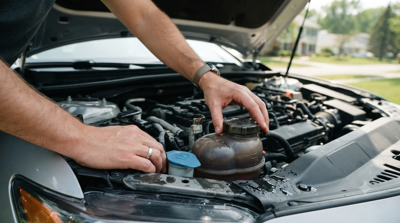

Hot, humid weather takes a real toll on vehicles, and drivers in Louisiana know this better than most. Between long stretches of high heat and thick, sticky humidity, cars here face more wear and tear than they would in cooler, drier climates. A little extra attention to maintenance during these months can save you from breakdowns and expensive repairs later.
Staying prepared for summer driving is not just about your engine and tires. It also means making sure you are financially covered if something unexpected happens on the road. Many drivers in the region compare affordable car insurance options each year to find coverage that fits their budget while still protecting them against weather-related issues, from overheating breakdowns to storm damage. Pairing good maintenance habits with the right policy gives you a more complete safety net during the hottest months.
Why Heat and Humidity Are So Hard on Vehicles
Heat speeds up the natural wear on nearly every part of a car. According to AAA, extreme summer temperatures are actually a bigger cause of battery failure than winter cold, since heat accelerates the chemical reactions inside a battery and shortens its lifespan. AAA has reported responding to as many as 1.8 million battery-related service calls in a single summer, a clear sign of how common this problem is once temperatures climb.
Humidity adds another layer of stress. Moisture in the air contributes to rust, corrosion, and mold growth, especially in areas with heavy rainfall or coastal air. Combined with high heat, this creates conditions that wear down rubber seals, hoses, and belts faster than in drier regions.
The good news is that most heat and humidity related damage builds up slowly. That means regular maintenance checks give you a real chance to catch small issues before they turn into major repairs. Drivers who stay on top of seasonal upkeep tend to spend less on emergency repairs and roadside assistance over the course of a year.
Battery Care
Heat is one of the fastest ways to shorten a car battery's life. In hot, humid climates, batteries often last closer to three years instead of the five or more years typical in cooler regions. Have your battery tested at least once a year once it passes the two or three year mark, and watch for warning signs like slow engine starts or dimming headlights.
Tire Maintenance
Hot pavement combined with underinflated tires increases the risk of blowouts, especially during long summer drives. Check your tire pressure monthly, since heat causes air inside tires to expand and can lead to inaccurate readings if checked right after driving. Look for uneven tread wear too, which can be a sign of alignment issues made worse by hot road conditions.
Fluids and Cooling System
Coolant keeps your engine from overheating, and it becomes even more important during Louisiana summers. Low or old coolant can lead to overheating, which is one of the most common causes of roadside breakdowns in hot weather. Have your coolant levels and condition checked before summer, and watch your temperature gauge closely during long drives.
Engine oil also breaks down faster in high heat. Sticking to your recommended oil change schedule helps protect your engine from added friction and wear during the hottest months.
Belts, Hoses, and Brakes
Rubber components tend to get less attention than batteries or tires, but they are just as vulnerable to heat and humidity. Serpentine belts and radiator hoses can develop small cracks or soft spots after repeated exposure to high under-hood temperatures, and these weak points often fail without much warning. A quick visual check every few months, looking for fraying, bulging, or a glazed appearance, can help you catch problems early.
Brakes deserve attention too. Humid air combined with road salt near coastal areas can speed up corrosion on brake lines and rotors. If you notice squealing, grinding, or a soft brake pedal, it is worth having the system inspected sooner rather than later, especially before long summer road trips.
Protecting the Interior and Exterior
Humidity and UV exposure can fade paint, crack dashboards, and damage upholstery over time. Parking in shade or using a windshield sun shield helps reduce interior heat buildup and slows down this kind of wear. Regular washing also helps remove salt, pollen, and moisture buildup that can contribute to rust, particularly for drivers closer to the coast.
Wiper Blades and Washer Fluid
Sudden summer downpours are common in Louisiana, and worn wiper blades can turn a quick shower into a visibility problem. Heat and UV exposure cause rubber wiper blades to dry out and crack faster than they would in milder climates, so it is a good idea to inspect them regularly and replace them at the first sign of streaking or skipping. Keeping washer fluid topped off also helps clear pollen, dust, and road grime that build up quickly during humid months.
Air Conditioning Checks
A properly working air conditioning system is not just about comfort. It also reduces strain on the engine when it is not working overtime to compensate for a failing system. If your AC is blowing weak or warm air, it is worth having it inspected before the peak of summer arrives rather than waiting for a complete breakdown.
Simple Habits That Make a Difference
Beyond individual repairs, a few consistent habits go a long way. Keep an eye on your dashboard warning lights, avoid ignoring small issues like odd noises or slow starts, and try to park in shaded or covered areas whenever possible. These small steps do not take much time, but they add up to fewer surprises and a longer-lasting vehicle.
A short seasonal checklist can help keep things organized. Before the hottest months arrive, it helps to test the battery, check tire pressure and tread, flush or top off coolant, inspect belts and hoses, replace worn wiper blades, and have the air conditioning system looked at. Running through this list once at the start of the season, and again halfway through, catches most heat related problems before they turn into breakdowns.
Louisiana's climate is not going to change, but how you care for your vehicle can. Staying ahead of heat and humidity related wear, rather than reacting to it after something breaks, is one of the simplest ways to keep your car reliable through every summer season.


(0) comments
We welcome your comments
Log In
Post a comment as Guest
Keep it Clean. Please avoid obscene, vulgar, lewd, racist or sexually-oriented language.
PLEASE TURN OFF YOUR CAPS LOCK.
Don't Threaten. Threats of harming another person will not be tolerated.
Be Truthful. Don't knowingly lie about anyone or anything.
Be Nice. No racism, sexism or any sort of -ism that is degrading to another person.
Be Proactive. Use the 'Report' link on each comment to let us know of abusive posts.
Share with Us. We'd love to hear eyewitness accounts, the history behind an article.