
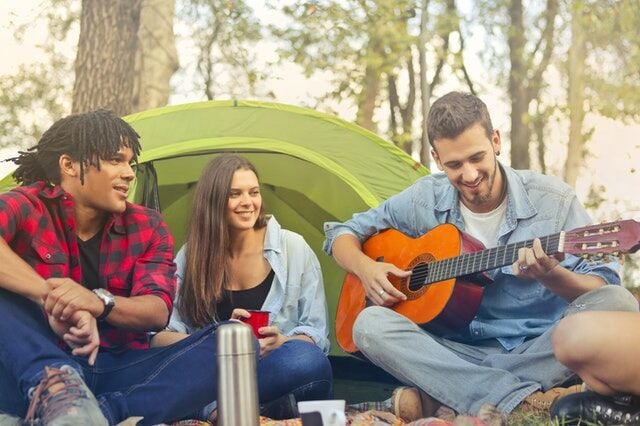
Camping has changed. The best outdoor weekends no longer require choosing between genuinely experiencing nature and being comfortable enough to enjoy it.
You can still wake up beneath the trees, cook dinner outside and spend the evening under the stars without sleeping badly, eating every meal from a paper plate or searching for your shoes with a flashlight between your teeth.
The trick is not bringing more gear. It is bringing better gear.
For car camping, campground weekends and outdoor escapes where everything does not have to fit into a backpack, the smartest packing list combines shelter, sleep, food, lighting and safety essentials with a few well-chosen comforts. Here is what deserves space in the car.
Start With a Tent You Actually Want to Sleep In
Choose your tent for the trip you are taking rather than automatically buying the smallest or lightest model.
Backpacking demands lightweight equipment because every ounce eventually ends up on your shoulders. Car camping gives you considerably more freedom. A slightly larger tent can provide standing room, better ventilation and enough space to change clothes without performing minor gymnastics.
For two people, moving up from a two-person tent to a roomier model can make a weekend feel considerably less cramped.
Look first at weather protection, ventilation, construction, setup time and the rainfly. A footprint or groundsheet can help protect the tent floor from moisture, rocks and abrasion.
Then you can think about appearance. Modern tents are available in much more sophisticated colors and silhouettes than the standard green shelters that once dominated campgrounds.
If hiking will be a major part of the trip, FINE's guide to hiking gear essentials is a useful companion when deciding what needs to leave the campsite with you.
Build a Sleep System, Not Just a Sleeping Bag
A good sleeping bag is important. What goes underneath it can be just as important.
The ground continuously pulls heat away from your body, which is why a proper sleeping pad provides both cushioning and insulation. Choose a sleeping bag with a temperature rating appropriate for the lowest temperatures expected overnight, then pair it with a pad or camping mattress designed for the conditions.
For car camping, this is one place where ultralight minimalism can safely take the weekend off.
Bring the real pillow.
Add a comfortable blanket if temperatures warrant it. If you have enough vehicle space, a thicker sleeping pad or camping mattress can transform the experience.
The objective is not to recreate a hotel room inside a tent. It is to wake up wanting another night outdoors instead of immediately searching for the nearest mattress.
Give the Campsite Layers of Light
One flashlight is not a lighting plan.
A well-designed campsite needs at least two kinds of illumination: broad ambient light for cooking and socializing, and personal light for walking, finding gear and making late-night trips away from camp.
A lantern or elevated campsite light works particularly well around the cooking and seating areas. Keep the brightest setting for meal preparation and cleanup, then switch to softer illumination later in the evening.
Everyone should also have access to a headlamp or flashlight.
Headlamps are especially useful because they leave both hands free while cooking, setting up a tent or rummaging through a bag after dark.
And resist the temptation to illuminate the campsite like a parking lot all night. Part of the reason for being there is seeing what happens when the lights go down.
Build a Camp Kitchen You Will Actually Enjoy Using
Dinner outdoors can be one of the best parts of camping.
It can also become the part where everyone realizes the knife is at home.
A functional camp kitchen starts with a stove appropriate for your group, cookware, utensils, a cutting surface, reusable plates and cups, food storage and a reliable cooler.
Before depending on a campfire for cooking, check the regulations at your destination. Fire restrictions can change with weather and wildfire conditions, and some locations restrict or prohibit open fires.
Planning meals that can be partially prepared at home makes the first evening particularly easy. Chop vegetables, make marinades and portion ingredients before leaving. Nobody needs to spend the first hour of a beautiful sunset finely dicing onions.
Rethink the Cooler
The cooler is one of those camping items where performance matters more after Day One.
It needs to keep food properly chilled, tolerate repeated opening and make enough sense organizationally that you are not excavating dinner ingredients every time someone wants a drink.
For a more leisurely car-camping escape, we would take that idea one step further.
The Engel Reserve Wine Cooler is an interesting addition for couples or friends who like the ritual of opening a good bottle at the end of the day. Rather than treating wine as another item rolling around inside the food cooler, a dedicated solution keeps the experience more organized and considerably more civilized.
This is not essential wilderness-survival equipment, obviously.
That is precisely the point.
For a campground weekend where the vehicle is nearby and sunset drinks are part of the plan, there is nothing wrong with allowing one or two luxuries to earn their place.
Carry a Smaller Bag Away From Camp
Once the tent is up, the large travel bags should stay put.
For short hikes, exploring around the campground, biking into town or heading down to the water, a smaller weather-resistant bag is considerably more practical.
The Chrome Kadet Max WP fits particularly well here. Its compact crossbody format gives you a place for a phone, wallet, keys, sunscreen, sunglasses and other small essentials without carrying a full backpack everywhere.
That distinction matters when packing for outdoor travel: the bag that gets everything to the destination does not necessarily need to be the bag that follows you around all weekend.
For longer hikes, however, switch to a properly fitted daypack with sufficient room for water, food, layers and emergency supplies. Our guide to hiking gear essentials covers what deserves space when the walk becomes more than a casual campground wander.
Bring Seating That Makes You Want to Stay Outside
Camping chairs have improved enormously, so there is little reason to spend a weekend perched uncomfortably on a log.
Look for supportive construction, a sensible packed size and enough stability for uneven ground. Cup holders and storage pockets sound insignificant until you have somewhere convenient to put coffee, sunglasses and a phone.
If vehicle space permits, add a small folding table.
It prevents the food cooler from becoming the coffee table, kitchen counter, cocktail bar and occasional chair simultaneously.
Arrange the chairs to face the view rather than automatically pointing everything toward the tent. A little thought about campsite layout can make the space feel less like equipment was unloaded from a vehicle and more like an outdoor room.
Pack for the Temperature After Sunset
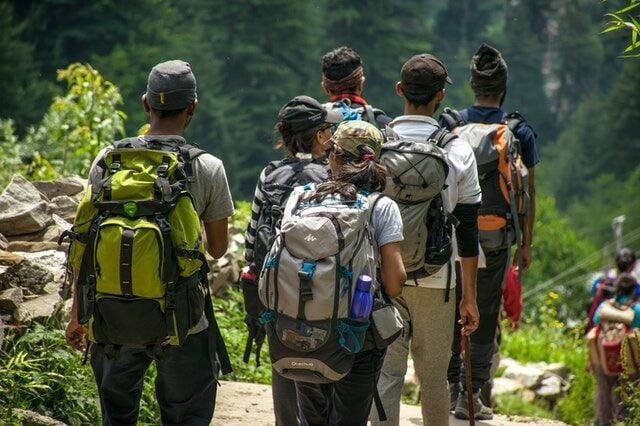
One of the easiest camping mistakes is dressing for the weather you experience while loading the car.
Warm afternoons can become surprisingly cool evenings, particularly in mountains, deserts and coastal areas.
Pack layers rather than one bulky piece. A lightweight base, warmer mid-layer and weather-resistant outer layer give you considerably more flexibility as temperatures change.
Good socks matter. So does appropriate footwear.
And always keep one dry set of clothing protected inside the tent or a waterproof bag. After an unexpected rain shower, dry socks suddenly qualify as luxury goods.
Treat Water and Sun Protection as Essentials
Beautiful surroundings do not make dehydration any more enjoyable.
Bring enough drinking water for the trip or confirm that your campground has a reliable potable-water source. For longer excursions away from camp, carry water with you rather than assuming you will find it along the route.
Sunscreen, sunglasses and a hat belong in the same category.
If your outdoor weekend includes serious trail time, revisit FINE's hiking gear essentials before leaving. Camping equipment keeps you comfortable at your temporary home; hiking equipment needs to protect you once you leave it.
For trips that lean more beach than backcountry, our warm-weather escape packing guide takes the packing list in an entirely different direction.
Do Not Forget Power
Disconnecting does not necessarily mean letting every device die.
Phones now serve as cameras, maps, emergency communication devices, weather monitors and entertainment, making a reliable power bank a sensible addition even for people determined to spend less time looking at a screen.
Charge everything before departure and download maps, reservation details and important destination information before entering areas with unreliable cellular service.
Keep power banks and electronics protected from moisture and extreme temperatures.
Then put the phone away occasionally.
That sunset does not need 47 photographs.
Keep One Safety and Repair Kit
Some of the least glamorous items in your vehicle may become the most valuable.
Keep a compact first-aid and repair kit in an obvious location and make sure everyone knows where it is.
Include first-aid supplies, required medications, insect protection, a multi-tool, duct tape or repair tape, cord, backup batteries and equipment-specific repair items. Depending on the destination, navigation equipment and emergency communication may also be appropriate.
Do not scatter these things among six different bags.
When something goes wrong, organization matters more than aesthetics.
The FINE Camping Rule: One Luxury Is Allowed
Actually, we would argue that one luxury should be required.
It does not need to be expensive.
Maybe it is excellent coffee made slowly in the morning. Maybe it is a favorite blanket, proper wine glasses, an unusually good dinner, a comfortable chair or a bottle saved specifically for sunset.
Camping becomes memorable when practical preparation creates enough breathing room to enjoy where you are.
Pack the tent that keeps you dry. Build a sleep setup that lets you rest. Bring reliable lighting, sufficient water, a functional kitchen, appropriate clothing and basic emergency gear.
Then leave a little room for something completely unnecessary that makes you happy.
Because getting outdoors does not require leaving good living behind.

(0) comments
We welcome your comments
Log In
Post a comment as Guest
Keep it Clean. Please avoid obscene, vulgar, lewd, racist or sexually-oriented language.
PLEASE TURN OFF YOUR CAPS LOCK.
Don't Threaten. Threats of harming another person will not be tolerated.
Be Truthful. Don't knowingly lie about anyone or anything.
Be Nice. No racism, sexism or any sort of -ism that is degrading to another person.
Be Proactive. Use the 'Report' link on each comment to let us know of abusive posts.
Share with Us. We'd love to hear eyewitness accounts, the history behind an article.