
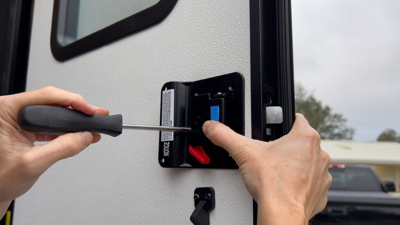

RV door locks are an essential component of any recreational vehicle, providing security and peace of mind for travelers. In this article, we will explore the various types of RV door locks, their features, installation processes, and maintenance tips.
Types of RV Door Locks
There are several types of RV door locks available on the market, each with its own unique features and benefits. One of the most common types is the deadbolt lock. Deadbolt locks offer a high level of security as they are more resistant to forced entry compared to other types of locks. They typically have a solid metal bolt that extends into the door frame, providing a strong barrier against intruders. Deadbolt locks can be either single - cylinder or double - cylinder. Single - cylinder deadbolts are operated from the inside with a thumbturn and from the outside with a key. Double - cylinder deadbolts require a key to operate from both the inside and the outside, which can be a safety concern in case of an emergency.
Another type is the cam lock. Cam locks are relatively simple in design. They consist of a cam that rotates when the key is turned, engaging with a strike plate on the door frame. Cam locks are often used in RV cabinets as well as on doors. They are easy to install and are generally less expensive than deadbolt locks. However, they may not offer the same level of security as deadbolts.
Keyless entry locks have become increasingly popular in recent years. These locks allow you to enter your RV without using a traditional key. Keyless entry locks can use a variety of methods, such as a numeric keypad where you enter a code, a proximity sensor that detects a key fob, or even biometric sensors like fingerprint scanners. Keyless entry locks offer convenience, ONNAIS especially when your hands are full. They also eliminate the risk of losing your keys.
Smart locks are a more advanced form of keyless entry locks. Smart locks can be connected to your smartphone via Wi - Fi or Bluetooth. This allows you to lock and unlock your RV door remotely, receive notifications when the door is opened or closed, and even grant temporary access to guests. Smart locks often come with additional security features such as activity logs and encryption to protect your data.
Features of RV Door Locks
When choosing an RV door lock, it is important to consider its features. One of the key features is the level of security. As mentioned earlier, deadbolt locks generally offer a higher level of security compared to cam locks. Look for locks that are made from high - quality materials such as solid brass or stainless steel. These materials are more durable and resistant to corrosion, which is important considering the harsh environments that RVs often encounter.
Weather resistance is another important feature. RVs are exposed to various weather conditions, including rain, snow, and extreme temperatures. A good RV door lock should be able to withstand these conditions without malfunctioning. Some locks come with weatherproof coatings or seals to protect them from the elements.
Key control is also a significant feature. You want to ensure that only authorized individuals have access to your RV. Some locks offer key - control systems where you can have keys cut only by the manufacturer or a specific authorized locksmith. This helps prevent unauthorized key duplication.
For keyless and smart locks, battery life is a crucial feature. You don't want your lock to run out of power when you need it the most. Look for locks with long - lasting batteries or those that have a low - battery indicator. Additionally, some smart locks can be powered by solar panels, which is a great option for off - grid camping.
Installation Process
Installing an RV door lock can be a relatively straightforward process, but it is important to follow the manufacturer's instructions carefully. First, you need to gather the necessary tools. Common tools required for lock installation include a drill, screwdriver, measuring tape, and file.
Start by removing the old lock. Use a screwdriver to remove the screws that hold the lock in place. Once the old lock is removed, clean the area around the lock opening to ensure a smooth installation. Measure the dimensions of the new lock to make sure it will fit properly in the existing hole. If necessary, use a file to make minor adjustments to the hole.
Next, insert the lock into the hole. Make sure it is properly aligned with the strike plate on the door frame. Secure the lock in place using the screws provided. Tighten the screws firmly but be careful not to overtighten, as this could damage the lock or the door.
If you are installing a keyless or smart lock, you may need to perform some additional steps. For example, if it uses a numeric keypad, you will need to program the code. If it is a smart lock, you will need to connect it to your smartphone or other device. Follow the manufacturer's instructions for these steps carefully to ensure proper functionality.
Maintenance Tips
Proper maintenance of your RV door lock is essential to ensure its longevity and functionality. Regular cleaning is an important part of maintenance. Use a mild soap and water solution to clean the lock. Avoid using harsh chemicals or abrasive cleaners, as these can damage the lock's finish. After cleaning, dry the lock thoroughly to prevent rust and corrosion.
Lubrication is also crucial. Apply a small amount of lubricant, such as graphite powder or silicone spray, to the moving parts of the lock. This will help the lock operate smoothly and prevent it from jamming. Be careful not to over - lubricate, as excess lubricant can attract dirt and debris.
Check the lock regularly for signs of wear and tear. Look for loose screws, damaged parts, or any other issues. If you notice any problems, address them promptly. You may need to replace a worn - out part or the entire lock if it is severely damaged.
For keyless and smart locks, keep an eye on the battery level. Replace the batteries as needed to ensure the lock continues to function properly. Also, make sure the lock's software is up - to - date. Manufacturers often release software updates to improve security and add new features.
In conclusion, choosing the right RV door lock and maintaining it properly is essential for the security and functionality of your recreational vehicle. By understanding the different types of locks, their features, installation processes, and maintenance tips, you can make an informed decision and enjoy a safe and worry - free RVing experience.


(0) comments
We welcome your comments
Log In
Post a comment as Guest
Keep it Clean. Please avoid obscene, vulgar, lewd, racist or sexually-oriented language.
PLEASE TURN OFF YOUR CAPS LOCK.
Don't Threaten. Threats of harming another person will not be tolerated.
Be Truthful. Don't knowingly lie about anyone or anything.
Be Nice. No racism, sexism or any sort of -ism that is degrading to another person.
Be Proactive. Use the 'Report' link on each comment to let us know of abusive posts.
Share with Us. We'd love to hear eyewitness accounts, the history behind an article.