
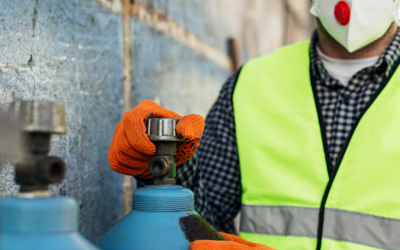

Gas cylinders are essential in many workshops and manufacturing facilities. They supply compressed gases for welding, cutting, heating, cooling, laboratory operations, and various industrial processes. However, their contents can create serious hazards when cylinders are stored incorrectly. High pressure, flammability, toxicity, and oxygen displacement are among the risks that require careful management.
Safe storage is not simply a matter of finding an available space. It involves selecting appropriate locations, separating incompatible gases, protecting cylinder valves, and establishing consistent inspection procedures. A well-organized storage system helps prevent accidents while supporting efficient daily operations.
Understanding the Risks Associated with Gas Cylinder Storage
Compressed gas cylinders contain substances under considerable pressure. Even when a cylinder appears stationary and undamaged, its contents can present significant risks if the container or valve becomes compromised.
The nature of each gas determines the specific precautions required.
Pressure-Related Hazards
A damaged cylinder valve can release gas rapidly. In severe cases, the escaping gas can propel the cylinder, damage nearby equipment, or cause serious injuries.
Physical impacts, corrosion, excessive temperatures, and improper handling can increase the likelihood of cylinder failure. Therefore, storage arrangements must prevent cylinders from falling, rolling, or being struck by machinery.
Flammable, Toxic, and Asphyxiating Gases
Different gases present different chemical and physical hazards.
Flammable gases can create fire or explosion risks when released near ignition sources. Toxic gases can cause poisoning through inhalation or contact, depending on their properties. Meanwhile, asphyxiating gases can displace oxygen in enclosed environments without necessarily producing noticeable warning signs.
Oxygen requires particular attention because it supports combustion. Environments enriched with oxygen can cause ordinary combustible materials to ignite more easily and burn more intensely.
Understanding these differences is essential when establishing storage locations and separation requirements.
Selecting an Appropriate Storage Location
The storage area should be specifically designated for gas cylinders rather than selected according to convenience. Its location must account for the gases involved, the facility layout, and potential emergency situations.
Prioritizing Ventilation and Environmental Conditions
Storage areas should be dry, adequately ventilated, and protected against excessive heat. Good ventilation helps prevent dangerous gas accumulation if a cylinder develops a leak.
Outdoor storage is often preferable for certain flammable gases, provided the location offers appropriate protection against weather, unauthorized access, and physical damage.
Indoor storage requires particular attention to building design and ventilation. Cylinders should never be placed inside unventilated cupboards, lockers, or other enclosed spaces where released gases could accumulate.
Temperature control is equally important. Cylinders must remain away from direct sunlight, furnaces, radiators, welding operations, and other heat sources that could increase internal pressure.
Protecting Access Routes and Work Areas
Storage locations should not interfere with emergency exits, stairways, elevators, or normal pedestrian movement.
They should also remain separate from areas where forklifts, trucks, and other heavy equipment operate frequently. Protective barriers may help prevent accidental impacts in facilities with considerable vehicle traffic.
Clear access is important for routine inspections, cylinder replacement, and emergency response.
Keeping Cylinders Upright and Properly Secured
One of the most important storage requirements is preventing cylinders from falling over.
Gas cylinders should generally remain upright, with their valves positioned upward, unless specific manufacturer instructions or applicable regulations establish otherwise.
Using Suitable Restraint Systems
Chains, straps, dedicated racks, and cylinder stands can prevent accidental movement. Restraints should hold cylinders securely without damaging their surfaces or interfering with safety components.
The support system must be appropriate for the cylinder's dimensions, weight, and construction.
Cylinders should never be secured using improvised materials such as electrical cables or clothing belts. These materials may fail when subjected to unexpected movement.
Protecting Valves and Connections
Cylinder valves are particularly vulnerable to impact damage. A broken valve can release the contents uncontrollably, creating a potentially dangerous situation.
When cylinders are not connected for use, their protective caps should remain installed whenever the design provides for them. Regulators and other attachments should be removed before storage when required by applicable procedures.
Valve protection is especially important during periods when cylinders are being moved or temporarily stored between operations.
Separating Different Types of Gases
Gas compatibility is another fundamental consideration. Cylinders should be organized according to their chemical properties and associated hazards.
Storing incompatible gases together can increase the consequences of an accidental leak or fire.
Separating Oxygen from Fuel Gases
Oxygen cylinders must be separated from fuel-gas cylinders and combustible materials. For oxygen-fuel welding applications, OSHA specifies a minimum separation distance of 20 feet (6.1 meters), or an appropriate noncombustible barrier meeting its prescribed height and fire-resistance requirements.
Oil and grease must also be kept away from oxygen equipment because these substances can react dangerously in oxygen-enriched conditions.
Organizing Flammable and Toxic Gases
Flammable gases should be stored away from ignition sources, oxidizing substances, and incompatible materials.
Toxic gases require additional precautions based on their specific properties and potential exposure consequences. Their storage arrangements may require restricted access, specialized ventilation, gas detection, and emergency response provisions.
A documented compatibility assessment helps determine which gases can share a storage area and which require separate compartments.
Identifying and Organizing Stored Cylinders
Clear identification reduces the possibility of using an incorrect gas or connecting incompatible equipment.
Every cylinder should retain its original identification markings. Workers should never rely exclusively on cylinder color because color conventions can vary between countries and gas suppliers.
Separating Full, Empty, and Quarantined Cylinders
Full and empty cylinders should occupy clearly identified storage positions. This makes inventory management easier and reduces unnecessary handling.
Empty cylinders should retain their valves closed and protective caps installed. They may still contain residual pressure and must therefore receive the same careful treatment as full cylinders.
Damaged, unidentified, or potentially leaking cylinders should be isolated according to established emergency procedures. Workers should not attempt unauthorized repairs or return damaged equipment to normal storage.
Storage arrangements should also support first-in, first-out inventory management where appropriate.
Safe Handling During Storage and Transportation
Storage safety depends partly on how cylinders enter and leave the designated area.
Workers should use suitable cylinder carts or handling equipment rather than carrying, dragging, dropping, or rolling cylinders across workshop floors.
Before transportation, valves should be closed and protective caps installed when applicable. Cylinders should be secured to the transport equipment throughout movement.
Lifting cylinders with magnets, ordinary slings, or chains attached directly to the cylinder is unsafe unless an approved handling system specifically permits the method.
Once cylinders reach their destination, workers should secure them immediately instead of leaving them temporarily unattended in unstable positions.
Establishing Regular Inspection Procedures
Routine inspections help identify problems before they develop into serious incidents.
Inspection schedules should consider cylinder condition, storage duration, environmental exposure, and the hazards associated with individual gases.
Checking Physical Condition
Workers should look for visible damage, deep corrosion, dents, damaged valves, and signs of leakage.
Labels and identification markings must remain legible. Protective caps, restraints, and storage racks should also be checked regularly.
Any cylinder showing suspicious damage should be removed from normal use and assessed by qualified personnel.
Maintaining Documentation
Inspection records provide evidence that storage procedures are being followed consistently.
Facilities should document cylinder inventories, inspection findings, identified defects, corrective actions, and relevant employee training.
Clear records also help managers recognize recurring problems, such as inadequate ventilation, damaged restraints, or excessive accumulation of unused cylinders.
Training Employees and Preparing for Emergencies
Even well-designed storage facilities depend on employees understanding their responsibilities.
Training should explain gas hazards, cylinder identification, handling procedures, protective equipment, and emergency response requirements.
Workers should know how to recognize potential leaks and understand when an area must be evacuated.
Emergency procedures should establish clear responsibilities for reporting incidents, restricting access, and contacting qualified emergency personnel. Employees should never attempt to handle a leaking or damaged cylinder unless specifically trained and authorized to do so.
Fire prevention measures, appropriate warning signs, and accessible emergency equipment should form part of the overall safety system.
Building a Consistent Gas Cylinder Storage System
Safe cylinder storage requires more than individual precautions. It depends on combining suitable infrastructure, clear identification, compatible storage arrangements, employee training, and regular inspections.
Facilities handling industrigasser should consider these requirements when designing storage areas and reviewing their industrial gas management procedures. Specialized equipment used in applications involving terms such as propan automat must also be assessed according to the specific gas, installation, and applicable safety requirements.
Ultimately, effective storage practices protect employees, equipment, and production continuity. By treating gas cylinders as potentially hazardous pressure vessels rather than ordinary workshop supplies, manufacturing facilities can reduce preventable incidents and maintain safer working environments.


(0) comments
We welcome your comments
Log In
Post a comment as Guest
Keep it Clean. Please avoid obscene, vulgar, lewd, racist or sexually-oriented language.
PLEASE TURN OFF YOUR CAPS LOCK.
Don't Threaten. Threats of harming another person will not be tolerated.
Be Truthful. Don't knowingly lie about anyone or anything.
Be Nice. No racism, sexism or any sort of -ism that is degrading to another person.
Be Proactive. Use the 'Report' link on each comment to let us know of abusive posts.
Share with Us. We'd love to hear eyewitness accounts, the history behind an article.