
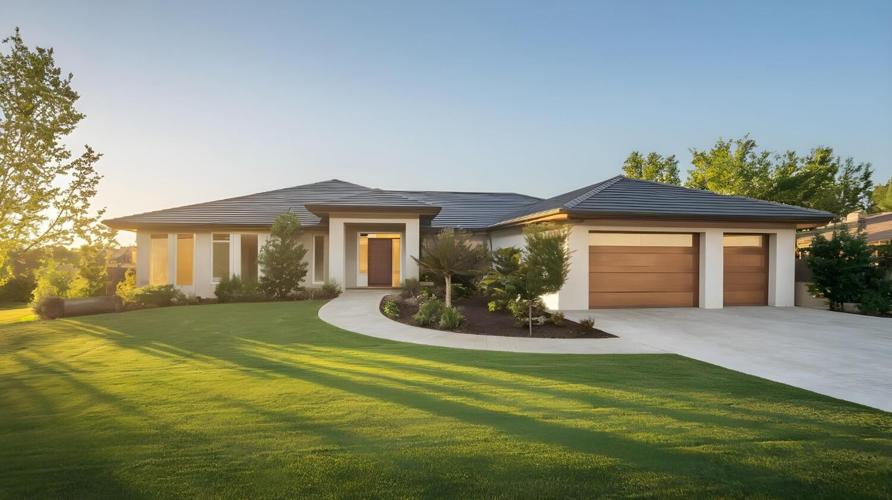
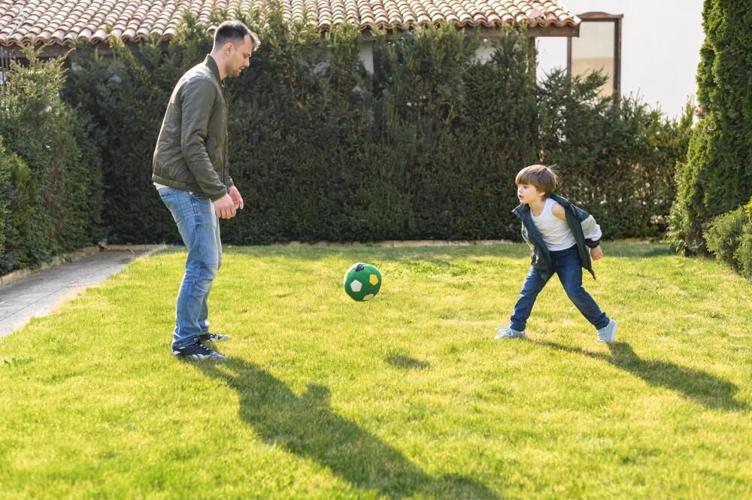

Curb appeal often comes down to two surfaces more than anything else: the driveway leading up to the house, and the lawn surrounding it. Get both right, and the rest of the property tends to look more polished by association.
Neither project needs to happen all at once, but understanding what each one involves makes it easier to plan and budget for both.
Why Curb Appeal Starts With These Two Surfaces
A cracked, faded driveway draws the eye immediately, even if everything else about a home is well maintained. The same is true of a patchy, uneven lawn, since both surfaces cover a large visible area that visitors and passersby see before anything else.
Upgrading either one on its own makes a noticeable difference, but tackling both together tends to give the biggest overall lift to how a property presents.
Upgrading Your Driveway
A driveway takes a beating over the years, from vehicle weight and weather to everyday wear from foot traffic. Depending on its age and condition, a resurface or full replacement might make more sense than another round of patch repairs.
Choosing the Right Driveway Material
Asphalt remains one of the most popular driveway materials, largely because it holds up well in a range of climates and tends to cost less than concrete or paving over the life of the driveway. Our earlier guide on choosing the right driveway material breaks down how asphalt compares to concrete, gravel, and paving if you are still weighing up your options.
Proper site preparation matters just as much as the material itself, since a driveway laid on a poorly prepared base tends to crack and shift far sooner than one installed correctly from the start.
When to Call in an Asphalt Contractor
Larger driveway projects, particularly full resurfacing or replacement jobs, generally call for a licensed asphalt contractor rather than a DIY approach, since the equipment and expertise involved are difficult to replicate at a smaller scale. Getting the base layer, drainage, and finish right is not something worth cutting corners on.
A good contractor will also be able to advise on drainage and slope, which matters more than most homeowners expect for keeping water away from the base of the house.
Timing a Driveway Project Around the Weather
Asphalt installation is sensitive to temperature, and most contractors avoid laying new surfaces during extreme heat or cold, since both can affect how the material cures and settles. Scheduling a project for milder months tends to produce a more durable result.
It is also worth asking a contractor about expected curing time before the driveway can handle full vehicle weight, since driving on a freshly laid surface too early is one of the more common causes of early damage.
A well-installed asphalt driveway, maintained with occasional sealing, can last well over a decade before needing another resurface, which makes it a reasonably low-maintenance choice once the initial installation is done properly.
It is also worth checking with your contractor about any local council requirements before work begins, since some areas have rules around driveway width, crossover placement, or stormwater drainage that can affect the final design.
Upgrading Your Lawn
Once the driveway is sorted, the lawn is usually the next biggest factor in how a property presents from the street. A lawn that is patchy, discoloured, or constantly fighting weeds undercuts even a freshly resurfaced driveway sitting right next to it.
Why Artificial Turf Has Become a Popular Option

Natural grass can be difficult to maintain consistently, especially in properties with heavy shade, poor soil, or limited time for regular mowing and watering. Artificial turf has become a popular alternative because it stays green and even year-round without the same ongoing maintenance demands.
If you are considering making the switch, it is worth taking the time to shop artificial turf installation in Melbourne options before deciding on a product and installer. Love It Landscaping is one Melbourne-based option offering turf installation alongside their broader landscaping services.
Quality varies significantly between turf products, so it is worth asking about pile height, drainage backing, and expected lifespan before committing to a specific brand or supplier.
Bringing Driveway and Lawn Together for a Cohesive Look
The most polished properties tend to treat the driveway and lawn as part of one overall design, rather than two separate projects handled independently. Matching edging materials, or simply keeping both surfaces well maintained at the same time, creates a sense of consistency that is hard to achieve otherwise.
Small details, like a clean transition where the driveway meets the lawn, make a bigger visual difference than most homeowners expect.
Common Mistakes to Avoid
Delaying driveway repairs until cracks become severe is a common and costly mistake, since minor issues are far cheaper to address early than after they have spread across the surface. The same logic applies to lawns, where small bare patches tend to expand quickly if left untreated.
Choosing materials based purely on upfront cost, without considering long-term maintenance, is another frequent misstep. A slightly higher initial investment in either a driveway or turf product often pays off through lower maintenance costs over time.
A driveway and a lawn might seem like separate projects, but together they do more to shape a property's first impression than almost anything else. Getting professional input on both, rather than treating them as afterthoughts, tends to produce a result that holds up for years.
Whether you start with the driveway, the lawn, or both at once, the payoff in curb appeal is usually well worth the investment.
Frequently Asked Questions
1. How often does an asphalt driveway typically need resurfacing? Most asphalt driveways need resurfacing somewhere between fifteen and twenty years, depending on climate, usage, and how well the base was prepared during the original installation.
2. Is artificial turf a good option for properties with pets? Many artificial turf products are designed to handle pet use well, with drainage backing that helps manage moisture, though it is worth asking a supplier about pet-specific options before installation.
3. Should the driveway or the lawn be upgraded first? There is no strict order, though tackling the driveway first can sometimes make sense if heavy machinery or trucks need site access, since this reduces the risk of damaging a newly installed lawn.
4. How long does artificial turf typically last before needing replacement? Quality artificial turf generally lasts between fifteen and twenty-five years with proper installation and occasional maintenance, though this varies depending on the specific product and how much foot traffic the area receives.

(0) comments
We welcome your comments
Log In
Post a comment as Guest
Keep it Clean. Please avoid obscene, vulgar, lewd, racist or sexually-oriented language.
PLEASE TURN OFF YOUR CAPS LOCK.
Don't Threaten. Threats of harming another person will not be tolerated.
Be Truthful. Don't knowingly lie about anyone or anything.
Be Nice. No racism, sexism or any sort of -ism that is degrading to another person.
Be Proactive. Use the 'Report' link on each comment to let us know of abusive posts.
Share with Us. We'd love to hear eyewitness accounts, the history behind an article.