
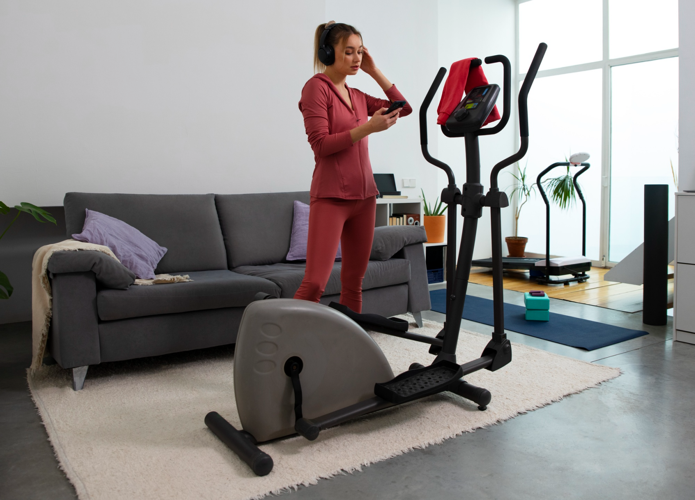
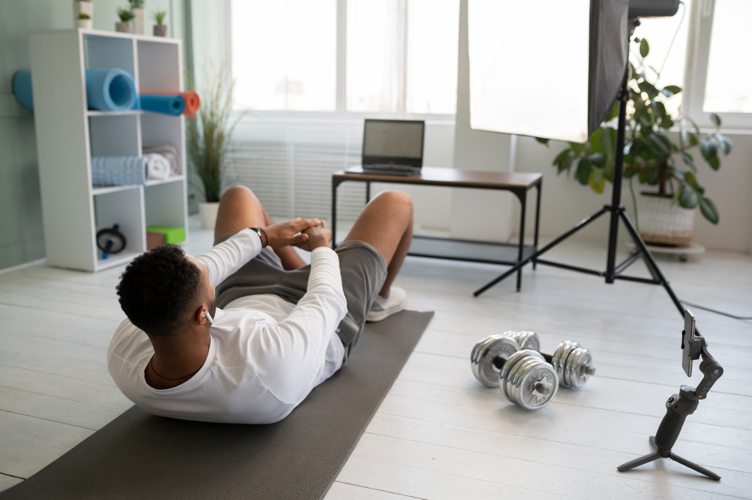

The home gym has come a long way from a dusty treadmill in the corner of the garage. In well-designed homes today, it is increasingly a genuine feature. This dedicated space offers the convenience of training on your own schedule, complete privacy, and a real boost to both wellbeing and long-term property appeal.
But the best home gyms do not happen by accident. Throwing a few pieces of equipment into a spare room rarely delivers a space you actually want to use. With a little planning, you can create a home gym that is functional, safe and easy on the eye. Here is how to approach it.
Start With the Space
Before buying a single dumbbell, choose your space carefully, because it shapes everything that follows. A spare bedroom, a section of the garage, a basement or a purpose-built garden studio can all work beautifully.
Pay close attention to the practicalities. Ceiling height is critical if you plan to do any overhead lifting or install a rack with a pull-up bar, so measure before you commit. Consider the strength of the floor, particularly if you will be lifting heavy, along with ventilation, natural light and access to power points. A space that is bright, well-aired and comfortable is one you will return to, while a cramped, stuffy room quickly becomes a very expensive storage cupboard.
Choose the Right Foundation Piece
For anyone serious about strength training, the rack is the heart of the gym. A quality power rack gives you a safe, versatile base for the biggest and most valuable exercises, from squats to bench presses to overhead work.
The reason a power rack is worth prioritising comes down to safety and versatility. With four uprights and adjustable safety bars, it lets you lift heavy with confidence even when training alone, unlike a simpler two-upright squat stand that offers less protection.
When choosing one, look for commercial-grade steel and precision-welded frames for stability, a durable powder-coated finish, multiple racking positions, several pull-up grip options and built-in safety features such as adjustable J-hooks and spotter arms. Make sure the footprint suits your room and that the height clears your ceiling, and you have the anchor your whole gym is built around.
Get the Flooring Right

Flooring is the unglamorous detail that makes or breaks a home gym, especially in a house. The right surface protects your subfloor from dropped weights, cuts down on noise that can travel through the home, and gives you stable, grippy footing.
Interlocking rubber tiles or rolled rubber matting are the go-to choice, and they are relatively simple to install yourself. If you plan to deadlift or drop loaded barbells, consider a dedicated lifting platform in that zone. Getting this layer right early saves your floors and your relationship with anyone else living in the house.
Build Out From There
With the space, rack and flooring sorted, you can add the equipment that rounds out your training. The temptation is to buy everything at once, but a lean, well-chosen setup beats a cluttered one.
Start with the essentials that pair with your rack: a good barbell, a set of weight plates and an adjustable bench that lets you train flat and inclined. A set of adjustable dumbbells adds huge versatility for a small footprint, and dedicated storage such as a plate rack keeps everything tidy and safe underfoot.
If cardio matters to you, add one quality machine rather than three you will never touch. Buying fewer, better pieces almost always pays off over time.
Design It to Feel Good, Not Just Function
This is where a home gym in a fine home really distinguishes itself. There is no reason your training space cannot look as considered as the rest of your house, and a space that feels good is one you will use far more often.
Mirrors make the room feel larger and help you check your form. Thoughtful lighting, ideally with plenty of natural light plus bright, even overhead fixtures, keeps the energy up. A decent sound system or speaker earns its place, and a few plants soften the industrial edge of steel and rubber.
Choose a rack finish and a colour palette that complement your interiors rather than clash with them, and keep clutter at bay with proper storage. The result is a gym that feels like an intentional part of the home rather than an afterthought bolted on.
A well-designed home gym is one of the most rewarding additions you can make to a house. It buys back the time lost commuting to a gym, gives you privacy and flexibility, and supports the kind of consistent training that actually delivers results.
Get the fundamentals right and the rest falls into place. Choose a suitable space, anchor it with a solid, safe rack, protect the room with good flooring, add only the equipment you will genuinely use, and finish it with the same care you would give any other room. Do that, and you will have created a space that looks the part and, more importantly, keeps you coming back to it.


(0) comments
We welcome your comments
Log In
Post a comment as Guest
Keep it Clean. Please avoid obscene, vulgar, lewd, racist or sexually-oriented language.
PLEASE TURN OFF YOUR CAPS LOCK.
Don't Threaten. Threats of harming another person will not be tolerated.
Be Truthful. Don't knowingly lie about anyone or anything.
Be Nice. No racism, sexism or any sort of -ism that is degrading to another person.
Be Proactive. Use the 'Report' link on each comment to let us know of abusive posts.
Share with Us. We'd love to hear eyewitness accounts, the history behind an article.