
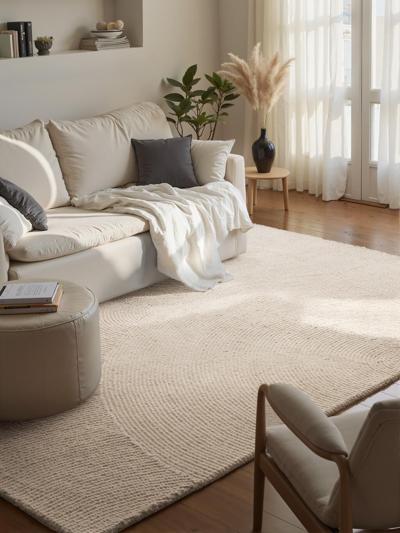

When choosing a rug, practical demands and appearance should play a role.
Rooms that feel unfinished pose a design challenge in creating a visually inviting, sustaining space for the owners. Left undecorated, the area can seem visually disconnected or overly stark. One element to consider is a quality rug, a way to ground furniture, add softness, and provide a clearer sense of purpose in the layout.
As clients consider the appeal of restrained colors, tactile materials, and classic designs, those design features can be incorporated into the fabrics and rugs in the space. Nordic Knots is online and offers a variety of rug options so shoppers can find the best match for their design.
A thoughtfully chosen rug is more than a floor covering. As it works to create a more comfortable atmosphere, it also solidifies the visual foundation of a room. It has a connective effect between furniture and decorative elements. When choosing a rug, practical demands and appearance should play a role. Evaluation criteria should include materials, dimensions, colors, construction, and placement.
Rugs as the Visual Foundation of a Room
For seating areas, especially in a dining arrangement, a major design goal is to make the space feel intentional. A rug is traditionally used to anchor furniture for several reasons: to establish a focal point, connect furniture that appears disconnected, add contrast to plain, boring flooring, create boundaries in open-plan homes, and make large rooms feel more inviting and intimate. For instance, envision an open living and dining area where separate rugs in different colors and patterns distinguish the two zones without adding walls or dividers.
Choosing the Right Rug Size and Placement
When it’s time to shop for a rug, practical sizing guidance is essential. Before shopping, it’s important to measure the room and then use furniture placement to determine dimensions. As this is completed, position at least the front legs of sofas and chairs on a living-room rug. When selecting a dining table rug, allow chairs to remain on the rug when pulled out. In the bedroom, extend a rug beyond the sides and foot of the bed. To preview dimensions before making a purchase, use painter’s tape. Architectural Digest is instructive on sizing dimensions. It advises treating furniture placement and room proportions as key measurements when selecting a rug.
Materials for Comfort, Durability, and Maintenance
Common rug materials each have characteristics that make them superior in certain settings. For instance, wool is known for its resilience, warmth, and softness. Settings that make sense for wool include a nursery and a cozy sitting room. Cotton is a lighter-weight material and easier to handle, so heavy-traffic areas with rugs that could use a wash are good candidates for it. Entryways and living rooms are two examples. Natural plant fibers are common now for texture and a relaxed appearance. They are a good choice for reading areas and locations near art.
Synthetic fibers are better balanced in stain resistance and better suited to demanding households. Again, high-traffic areas are a good place for these rugs and dining rooms. Wool blends for balancing performance, texture, and price are useful in living rooms and bedrooms. The best materials for a setting depend on foot traffic, household routines, pets, children, climate, and cleaning expectations.
Color and Pattern Selection
When selecting a design, the best rug complements the room and avoids busy visual competition. Neutral tones support calm, layered interiors with a relaxed vibe. Choosing muted geometric patterns provides a sense of subtle movement, creating a room with more energy and interest. Repetition is another good design motif to use, or including an existing accent color to create a cohesive feeling. To protect against stains and wear, darker or patterned designs are a good choice.
For adventurous designers, using a statement rug to lead the room can be exciting, as surrounding furnishings remain restrained. For example, a neutral living room that is on the bland side can gain depth with a textured rug, rather than creating clutter with additional furniture or decor.
Texture and Warmth in Minimal Interiors
Simplicity is a classic design technique that appeals to most tastes; it does not imply a lack of comfort. Scandinavian-influenced interiors share certain design components such as clean lines, natural materials, neutral colors, functional furnishings, and tactile textiles.
Architectural Digest views rugs and textiles generally as wonderful tools for adding warmth to restrained spaces. Rug texture can soften various hard surfaces, such as hardwood floors, stone surfaces, minimalist furniture, large expanses of neutral color, and rooms with limited architectural detail.
Selecting Rugs for Different Rooms
When considering rug purchases, view each room as a potential location that a rug can enhance. For instance:
- Living room: Choose a rug large enough to connect the primary seating arrangement.
- Dining room: Prioritize a low-pile surface and sufficient clearance around the table.
- Bedroom: Use softness and generous dimensions to create a sense of comfort around the bed.
- Entryway: Select durable, easy-to-maintain construction suited to frequent foot traffic.
- Home office: Consider chair movement, acoustic comfort, and a pattern that does not distract from the workspace.
Rug Care and Long-Term Performance
Routine maintenance may preserve appearance and extend useful life. Some helpful hints include:
- Vacuuming according to the rug’s pile and construction.
- Rotating the rug periodically reduces uneven fading and wear.
- Blotting spills rather than rubbing them.
- Use a suitable rug pad to reduce movement and friction.
- Following the manufacturer’s cleaning instructions.
- Arranging professional cleaning when the fiber or construction requires it.
The U.S. Environmental Protection Agency recommends following manufacturer instructions and recognized industry practices for carpet cleaning, rather than relying on a single universal cleaning schedule.
Making a More Considered Purchase
Long-term suitability is a relevant quality to evaluate, rather than choosing only by appearance. Considerations include construction quality, fiber origin, dyeing and production methods, expected lifespan, repair potential, suitability for the intended room, and whether the design is versatile for future décor changes.
Real Life Examples in Rug Choice
In some instances, it’s usual for shoppers to choose similar rug styles for the same area or situation. This is because wear and tear is common in certain spots, and visual focal points are desired in others. For example:
- A compact apartment uses one large rug to visually expand the seating area, rather than several small rugs that divide the floor.
- An open-plan home uses complementary rugs to distinguish living and dining zones.
- A bedroom with wood flooring uses a soft wool rug to create warmth around the bed.
- A household with children chooses a low-pile patterned rug that is easier to maintain and less likely to show minor marks.
- A minimalist room gains depth through a textured neutral rug while keeping the color palette restrained.
FAQ
What size rug works best in a living room?
The rug needs to relate to the entire seating arrangement, not just the coffee table. Ideally, all furniture legs, or at least the front legs of the sofa and chairs, should rest on the rug. Shoppers should measure the room and preview the rug’s footprint with painter’s tape before purchasing.
Which rug material is most practical for a busy household?
Wool, tightly woven natural fibers, blends, and stain-resistant synthetics are all quality options in specific settings. Households with children or pets often benefit from low-pile, durable construction that is easy to vacuum. Care instructions and room conditions should also influence the decision.
Should a rug be lighter or darker than the furniture?
There is no universal rule. A lighter rug may brighten a room with dark furniture, while a darker or patterned rug may ground pale furnishings and disguise everyday wear. The rug should create enough contrast to remain visible without appearing disconnected from the overall palette.
Can different rugs be used in an open-plan home?
Multiple rugs can define separate functional areas when they share a visual connection. They do not need to match exactly, but compatible colors, materials, or pattern scales can help the overall space feel cohesive.
How often should a rug be cleaned?
Regular vacuuming is recommended based on foot traffic and construction; prompt treatment of spills; and periodic rotation and cleaning, based on the manufacturer’s directions. There isn’t a single cleaning schedule for every material because fiber type, use, and household conditions differ.
(0) comments
We welcome your comments
Log In
Post a comment as Guest
Keep it Clean. Please avoid obscene, vulgar, lewd, racist or sexually-oriented language.
PLEASE TURN OFF YOUR CAPS LOCK.
Don't Threaten. Threats of harming another person will not be tolerated.
Be Truthful. Don't knowingly lie about anyone or anything.
Be Nice. No racism, sexism or any sort of -ism that is degrading to another person.
Be Proactive. Use the 'Report' link on each comment to let us know of abusive posts.
Share with Us. We'd love to hear eyewitness accounts, the history behind an article.