
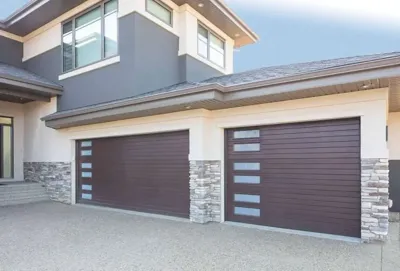

Eastern Iowa weather takes a serious toll on your garage door. Extreme temperature swings, freezing winters and humid summers cause metal parts to expand and contract. This creates friction, rust, broken springs and overworked opener motors. That is the short answer if you are just looking for the bottom line.
I've spent a lot of time around these mechanisms and you start to notice patterns. A door that worked perfectly in October suddenly groans and shudders by January. It seems like a mystery but it is just basic physics at play. Metal reacts to heat and cold in predictable ways. Wood absorbs moisture from the air. Rubber gets stiff and useless when the temperature drops below freezing.
It happens every single year.
Homeowners often ignore the early warning signs. They hear a squeak and turn up the car radio. Weather damage is cumulative. Every freeze and thaw cycle adds a little more stress to the system. Eventually something snaps and you are stuck with a car trapped inside.
Metal parts hate temperature swings
It is easy to forget how much metal is actually holding a garage door together. Tracks, hinges, rollers and brackets are all made of steel or aluminum.
When the summer heat hits those parts expand. Then winter rolls around and they contract. This constant shifting changes the clearances between moving pieces. The track might tighten up around the rollers. The hinges might pull slightly out of alignment. It is subtle but it matters.
Friction builds up. You hear it as a loud screech or grinding noise when the door opens. Sometimes I think people just ignore the noise hoping it goes away. That friction means parts are wearing out faster than they should be. Metal scraping on metal is never a good sound.
It can even cause the whole door to become misaligned. A misaligned door is a nightmare. It puts uneven pressure on the lifting cables. Eventually something has to give. I always tell folks to pay attention to the sounds their house makes. A noisy door is a crying door.
The noise is a warning sign
People ask me why their door gets louder in winter. It is because everything is tight and stiff. The metal has contracted. The tolerances are smaller. You are hearing the physical strain of the machinery trying to do its job in a hostile environment.
Freezing weather breaks metal springs
This is probably the most serious issue we see when the temperature drops. The springs above your door are under an incredible amount of tension. They do the heavy lifting so the motor doesn't have to.
Cold weather makes that metal brittle. A brittle spring under high tension is a ticking time bomb. The constant stretching and coiling weakens the steel over time. Add sub zero temperatures to the mix and the risk of snapping goes through the roof.
When a spring snaps it sounds like a gunshot. The door becomes dead weight instantly. If this happens you need professional garage door spring repair because messing with that tension yourself is incredibly dangerous. I knew a guy who tried to fix his own spring with vice grips and he ended up in the emergency room.
Just leave that specific job to the pros.
It is never worth the risk. A heavy door falling unexpectedly can crush whatever is underneath it. You really do not want to gamble with hundreds of pounds of free falling metal.
Moisture brings rust and rot
Eastern Iowa gets plenty of rain and snow. We also get those notoriously sticky and humid summers. All that moisture finds its way into your garage.
Water sitting on unprotected steel accelerates corrosion. You will start seeing rust on the tracks and hinges. Rust eats away at the structural integrity of the metal. It also creates a rough surface that makes rollers catch and jump as they move up the track.
I remember looking at a track last spring that was so rusted it looked like it belonged on a sunken ship. The homeowner couldn't figure out why the door kept jamming. The rust was literally eating the metal alive. We had to replace the whole track system.
Sometimes you just have to accomodate the weather and stay on top of lubrication to keep the moisture out. A good silicone spray works wonders. You can grab decent sprays from places like The Home Depot. A quick spray every few months creates a barrier against the dampness. It is definetely a cheap way to extend the life of your hardware.
Weatherstripping fails in the cold
Look at the bottom of your door. There is a rubber or vinyl seal there. Its job is to keep the outside out.
During cold snaps that rubber freezes solid. It shrinks and cracks. Repeated compression against the concrete floor over the years ruins its flexibility. Once the rubber gets stiff it stops conforming to the uneven surface of your driveway.
When the seal degrades you lose climate control in the garage. Drafts come in. Water pools under the door during heavy rain. If you have a heated garage you are just throwing money out the window.
Pests also find those gaps. Mice love a cracked bottom seal when it gets freezing outside. Replacing that seal is a cheap fix that saves a lot of headaches. It takes maybe twenty minutes and keeps the rodents where they belong. Outside.
Side weatherstripping takes a beating too. The vinyl strips along the frame get brittle and snap off if you bump them with a snow shovel.
Opener motors struggle in winter
Your opener motor has a tough job. It gets even tougher when winter arrives.
The lubricants inside the motor and along the drive rail can thicken up in freezing temps. Thick grease acts more like glue than a lubricant. It gets gummy and sticky.
This forces the motor to work much harder to pull the door up. You might notice the door moving slower than usual. That is the motor straining against the thickened grease. You can almost hear the electric motor groaning in protest.
Over time this extra strain will burn out the motor prematurely. Wiping down the track and applying a cold weather specific lubricant helps a lot. LITHIUM grease is usually a safe bet for cold climates. It stays slick even when the temperature drops below zero.
Check the gears
The internal plastic gears in the opener can also strip out if the motor is fighting too much resistance. A stripped gear means the motor hums but the door goes nowhere. It is a frustrating problem that is totally preventable.
High winds cause track damage
Storms bring high winds and flying debris. A garage door is basically a giant sail catching all that wind pressure.
Heavy impacts from debris can dent panels. That is usually just cosmetic. But severe wind pressure can actually bow the door inward. The sheer force of a strong storm pushes against the wide surface area of the panels.
If the pressure is strong enough it can force the rollers right out of the tracks. An off track door is a huge security risk. It leaves your home exposed to the elements and anyone walking by.
You have to get emergency adjustments to get it back in place. Sometimes the tracks themselves get bent and need to be completely replaced. Reinforcing struts can be added to the panels if you live in a particularly windy spot.
Wood doors warp in summer humidity
Wooden garage doors look fantastic. They have that classic curb appeal that people love. But they demand a lot of attention in humid climates.
Wood acts like a sponge. When the summer humidity spikes in Eastern Iowa the wood panels absorb moisture from the air. They swell up and get incredibly heavy. This extra weight puts more strain on the lifting cables and the opener motor.
Sometimes they warp. A warped panel can cause the door to rub against the frame. It throws off the alignment. The door might stick halfway up or refuse to close completely.
Keeping the wood painted or sealed is the only way to fight this. You have to maintain that protective layer. Once the seal breaks the moisture gets in and the warping begins. Some people switch to composite materials just to avoid the hassle of painting every few years.
Taking care of a property means paying attention to the things we usually ignore. A garage door is easy to take for granted until it stops working.
The weather here does not mess around. It tests every hinge and spring. It finds the weak points in your hardware and exploits them. You can't change the weather but you can prepare for it.
I think a little seasonal awareness goes a long way. Listen to your door. Look at the tracks. If something sounds wrong it probably is.
Stay safe out there & keep an eye on those moving parts. A few minutes of maintenance now saves a massive headache later.


(0) comments
We welcome your comments
Log In
Post a comment as Guest
Keep it Clean. Please avoid obscene, vulgar, lewd, racist or sexually-oriented language.
PLEASE TURN OFF YOUR CAPS LOCK.
Don't Threaten. Threats of harming another person will not be tolerated.
Be Truthful. Don't knowingly lie about anyone or anything.
Be Nice. No racism, sexism or any sort of -ism that is degrading to another person.
Be Proactive. Use the 'Report' link on each comment to let us know of abusive posts.
Share with Us. We'd love to hear eyewitness accounts, the history behind an article.