


If your family has outgrown your house but you love your street or school zone, you are not alone. Many homeowners face this same choice.
Moving is expensive and stressful. Often, the smarter move is to add living space to your home instead of leaving it behind.
Why Moving Isn't Always the Answer
Selling and buying comes with agent fees, moving costs, and the toll of leaving a home you have put years into. House prices in most New Zealand cities have climbed too, which often makes upgrading cheaper than moving.
Older homes tend to sit on generous sections with room to work with, so rather than compete in a tight market, many owners choose to reinvest in what they already have.
The Basement Conversion: Your Biggest Opportunity for Space
For older villas and bungalows, one option stands out above the rest. Lifting the house and building a basement underneath it can add an entire extra storey of usable space without touching your footprint.
This is especially practical if your home sits on timber stumps rather than a concrete slab, which is common in many pre-1950s properties. It makes the lift far more straightforward than raising a home built on a solid foundation.
What House Lifting Actually Involves
The process starts with lifting the entire structure using engineered steel beams, then carrying out excavation and foundation work underneath. Once the new foundation is ready, the house is carefully lowered back into place.
It sounds dramatic, but it is a well-established method used across Auckland, Christchurch, and other parts of the country. If you want to understand the process before committing to anything, it is worth taking time to learn about lifting a house to add a basement and what it typically involves for a home like yours.
Companies like House Lifting NZ Ltd specialise in exactly this kind of project, working alongside structural engineers to make sure the lift and the new foundation are done safely.
Why This Approach Works So Well for Older Homes
Character homes often have generous ceiling heights and solid bones, which makes them good candidates for this kind of upgrade. Instead of demolishing and rebuilding, you keep the charm of the original house while gaining a rental unit, a home office, or a guest space underneath it.
The finished basement is fully consented living space, which also adds real value to your property. It is a meaningful step up from a simple room addition, both in size and in long-term return.
Protecting Your New Investment: Don't Forget the Roof
Once you have added space, it makes sense to think about what is protecting it. A major renovation is the ideal time to check whether your roof still has years of service left, since scaffolding and site access are often already in place.
An older roof paired with a brand new basement is an odd mismatch, and it can undercut the value you just added. Getting the roof sorted at the same time saves you from redoing scaffolding twice.
When Metal Roofing Makes Sense
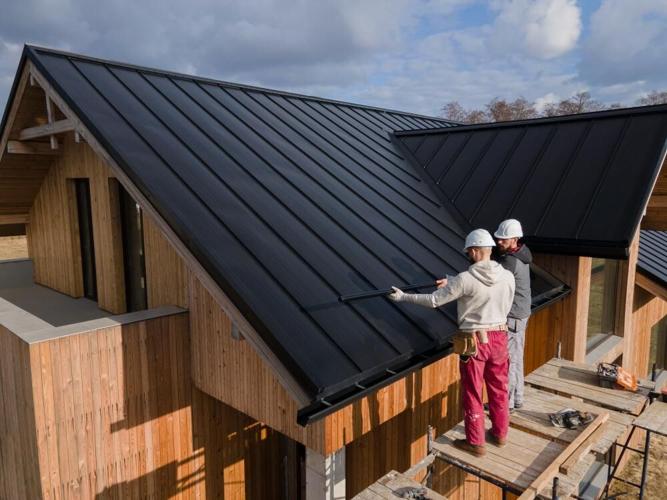
Metal roofing has become a popular choice for bigger renovations, mostly because it holds up well against wind, rain, and coastal air without constant upkeep. It also tends to outlast older roofing materials by several decades, which matters if you are investing heavily in the rest of the house.
If you are based in Canterbury and want a team that knows the local conditions, it is worth taking time to browse expert metal roofers in Christchurch before deciding on a profile and finish. Christchurch Roofing & Cladding is one local option that works specifically with homeowners going through renovations like this.
Other Smart Ways to Add Space Without an Extension
A basement conversion is not always the right fit for every property. A few other options are worth considering too.
Garage and Attic Conversions
If you already have a garage that mostly stores boxes and bikes, it might be your easiest win. Insulating and lining an existing structure is usually far cheaper than building new walls, and attic conversions work in a similar way if your roofline has the height for it. Both avoid excavation altogether, which keeps costs down.
Repurposing Underused Rooms
Sometimes the space you need is already inside your home. A formal dining room that never gets used can often be reworked into a home office or a compact bedroom with the right planning.
If you are exploring this route for a basement level, it is worth reading our earlier piece on transforming a basement into a functional living space, which covers moisture control, layout, and lighting.
Matching Your Roofing Material to Your Region's Climate

Your roof faces very different demands depending on where you live. Coastal properties deal with salt air and driving rain, which slowly wear down roofing that is not built to resist corrosion.
Inland and southern regions face a different mix of challenges, including sustained wind, frost, and occasional heavy snow. A roof that performs well in one climate is not automatically the right choice for another, so it pays to match the material to the conditions your home actually experiences.
This is part of why local roofing specialists tend to give better advice than generic online guides, since they know which profiles hold up in their specific region.
Iron Roofing as a Durable Alternative
In colder, harsher climates, iron roofing remains a favourite for good reason. It is low maintenance, handles harsh weather well, and suits both rural and suburban settings without needing regular repainting.
If your existing iron roof is showing its age rather than needing a full replacement, Southern Roofing Services offers expert corrugated iron roof repairs in Invercargill, which is often the more practical starting point when the underlying structure is still sound. They work across Southland and Central Otago, and repair work like this pairs naturally with the kind of wider home upgrades covered in this guide.
Planning Your Project the Right Way
Before committing to any option, get a proper assessment of your home's structure, foundation type, and roofline. What works for a neighbour's villa might not suit your own property.
It also pays to line up your trades in the right order. Structural work like a house lift should generally happen before cosmetic finishes, and roofing is often best scheduled once scaffolding is already up.
Getting quotes from a few specialists early will give you a realistic budget, so you can plan the renovation in stages if needed.
Adding living space to your home does not have to mean packing boxes and starting over somewhere new. Whether it is a full basement conversion through house lifting, a garage turned into a livable room, or simply a smarter use of space you already have, there are practical paths forward.
Pairing structural upgrades with a roof that can protect your investment for decades makes the whole project worth it. With the right trades and a clear plan, you can end up with a home that fits your family without ever putting up a for sale sign.
Frequently Asked Questions
1. Is lifting a house to add a basement expensive compared to a standard extension?
It typically costs more upfront, but it adds an entire extra storey of consented living space, which often makes it worthwhile for larger families or rental income.
2. Can any older home be lifted for a basement conversion?
Most homes on timber stumps are good candidates, though soil conditions and the condition of the existing structure need to be assessed first by a qualified team.
3. Should I replace my roof before or after a major renovation like a house lift?
It is usually best to plan roofing work alongside other structural upgrades, since scaffolding and site access are often shared, which reduces overall cost and disruption.
4. How long does a basement conversion through house lifting usually take?
Timelines vary with the size of the home and the scope of excavation, but homeowners should plan for several months from the initial lift to a finished basement.


(0) comments
We welcome your comments
Log In
Post a comment as Guest
Keep it Clean. Please avoid obscene, vulgar, lewd, racist or sexually-oriented language.
PLEASE TURN OFF YOUR CAPS LOCK.
Don't Threaten. Threats of harming another person will not be tolerated.
Be Truthful. Don't knowingly lie about anyone or anything.
Be Nice. No racism, sexism or any sort of -ism that is degrading to another person.
Be Proactive. Use the 'Report' link on each comment to let us know of abusive posts.
Share with Us. We'd love to hear eyewitness accounts, the history behind an article.