
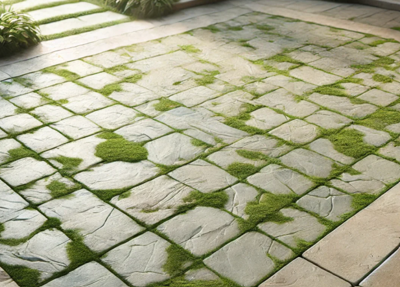

Why green algae keeps coming back in beautiful outdoor spaces
Green algae is the uninvited guest that loves the same things you do: dappled shade, a bit of moisture, and surfaces that stay cool. On patios, pool surrounds, garden steps, and even sculptural retaining walls, it forms a thin, slick film that can look like a soft green wash from a distance and feel surprisingly slippery underfoot up close.
If you live near the coast, have mature trees, or irrigate regularly, you are basically running an algae-friendly microclimate. Add porous materials like concrete pavers, limestone, sandstone, and textured tiles, and the spores have plenty of tiny pockets to settle into. That is why one quick rinse often makes things look better for a weekend, then the green returns right where you started.
Start with smart assessment before you scrub
Check the surface: porous stone, sealed pavers, or composite decking?
Before choosing a method, take a moment to identify what you are cleaning. Porous stone and concrete absorb moisture, which means algae can anchor below the surface. Sealed pavers and glazed tile tend to hold algae more on top, so removal can be easier but streaking can show if products are applied unevenly. Composite decking can be sensitive to harsh abrasion, so a gentler approach is usually best.
If you are not sure, sprinkle a little water on a dry spot. If it darkens quickly and absorbs, treat it like porous material. If it beads, treat it like sealed. This small test helps you avoid over-scrubbing or using the wrong dilution, both of which can dull the finish you worked hard to choose.
Decide if it is algae, moss, or mildew
Algae is typically a flat green film that spreads in damp zones. Moss is thicker, tufted, and often grows in joints between pavers. Mildew can look darker and may show up on shaded walls, fences, and painted surfaces. You can remove them with similar strategies, but the prep changes: moss often needs to be physically lifted first, while algae benefits most from dwell time and a thorough rinse.
The safest, most effective removal options (and when to use each)
Option 1: Gentle wash for light algae on sealed surfaces
For a faint green haze, start simple: sweep away debris, wet the area, then use warm water with a mild outdoor-safe detergent and a soft-to-medium brush. Work in sections, rinse well, and avoid letting soapy water dry on the surface. This method is low-risk for finishes, but it can be short-lived if the area stays shaded and damp.
Option 2: Targeted outdoor cleaner for stubborn algae on porous stone and concrete
When algae has settled into the pores of concrete, textured pavers, or rough stone, you typically need a dedicated treatment that penetrates rather than just lifts the top layer. If you are looking for a purpose-made green algae remover, prioritize instructions that emphasize dwell time and controlled rinsing, because that is often what makes the difference between a quick cosmetic fix and a deeper clean.
Plan to clean on a dry day with no immediate rain, and keep pets and kids away until the surface is fully dry. If you are working near planting beds, pre-wet surrounding greenery and rinse afterward, which helps prevent residue from lingering on leaves.
Option 3: Pressure washing, used carefully
A pressure washer can be satisfying, but it is easy to overdo it. Too much pressure can etch soft stone, dislodge jointing sand, and leave zebra-striping that looks worse than the algae ever did. If you use one, keep the nozzle moving, start on a wide fan tip, and test a discreet corner first. For delicate materials, consider a lower-pressure setting or a surface cleaner attachment that distributes water more evenly.
A step-by-step routine that works for most patios
1) Clear, sweep, and pre-rinse
Remove furniture, planters, and doormats so you can treat the entire area evenly. Sweep thoroughly, because grit can act like sandpaper if you start scrubbing. A quick pre-rinse helps you see where algae is concentrated and prevents cleaners from soaking in too fast on hot days.
2) Remove moss mechanically before treating
If you have moss in joints, lift it first with a stiff brush or a scraper designed for pavers. This is one of those small chores that pays off: clearing the bulk growth lets your algae treatment reach the surface underneath instead of being blocked by a thick, spongey layer.
3) Apply treatment evenly and let it work
Follow label directions precisely and apply in calm weather so mist does not drift onto nearby surfaces. Work in manageable sections and aim for consistent coverage, because patchy application can lead to patchy results. Resist the urge to rush the process; many effective treatments need time to break down growth at the root.
4) Rinse thoroughly and inspect from multiple angles
Rinse until runoff runs clear, then step back. Algae can hide in the way light hits textured stone, so look from different angles, especially along edges, stairs, and the shady side of the patio where growth usually starts.
How to keep algae from returning (without turning your garden into a science project)
Reduce the conditions algae loves
Algae thrives where water lingers. Improve drainage by clearing gutters, adjusting downspouts, and keeping weep holes and channel drains free of leaves. If irrigation sprays the patio edge every morning, redirect heads so you are watering plants, not paving.
Build a seasonal maintenance habit
A light routine beats a once-a-year battle. Sweep weekly during damp months, especially after storms. Rinse shaded corners occasionally. If you use a green algae remover periodically as directed, you can often prevent that slick buildup that tends to appear right when you are hosting, wearing sandals, and hoping the outdoor space feels effortless.
Protect the look: sealing and material care
For certain pavers and stones, a suitable breathable sealer can reduce absorption and slow future staining. The right sealer depends on the material, so match it carefully and avoid high-gloss finishes if you love a natural, matte look. If you already have a sealed surface, keep cleaning methods gentle to preserve that protective layer.
Common mistakes that make algae removal harder
Mixing cleaners or chasing “stronger” solutions
Combining products can damage surfaces and create unsafe fumes. Stronger is not always better, especially on light stone, colored concrete, or near metals that can discolor. Stick to one approach at a time and prioritize products meant for outdoor stone and concrete.
Cleaning in full sun without a plan
Heat can cause solutions to dry too quickly, which can lead to residue and uneven results. If the patio bakes in afternoon sun, clean earlier in the day or work in smaller sections so you can rinse before anything dries.
Ignoring joints, edges, and shaded thresholds
The algae you see is rarely the whole story. Growth often starts in joints, at the base of walls, and under the lip of a step where moisture hangs around. Treat those areas deliberately and you will extend the time between cleanings.
When it is worth calling a professional
If you have delicate stone, extensive staining, or a large area with multiple surface types, a professional can save you from costly mistakes. It can be especially helpful for luxury outdoor spaces where finish consistency matters, like honed limestone terraces, designer tile pool decks, or patios integrated with custom drainage and landscape lighting.
For everyone else, a calm, methodical approach and the right product choice usually gets you back to what you want most from an outdoor space: a clean, safe surface that lets the landscaping and architecture shine.


(0) comments
We welcome your comments
Log In
Post a comment as Guest
Keep it Clean. Please avoid obscene, vulgar, lewd, racist or sexually-oriented language.
PLEASE TURN OFF YOUR CAPS LOCK.
Don't Threaten. Threats of harming another person will not be tolerated.
Be Truthful. Don't knowingly lie about anyone or anything.
Be Nice. No racism, sexism or any sort of -ism that is degrading to another person.
Be Proactive. Use the 'Report' link on each comment to let us know of abusive posts.
Share with Us. We'd love to hear eyewitness accounts, the history behind an article.