
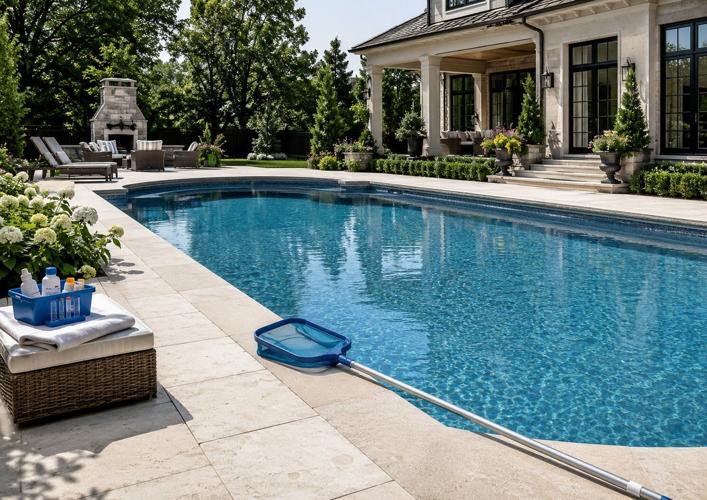

A backyard pool is one of those home features that makes life feel instantly more glamorous, right up until the water turns cloudy, the filter starts making a suspicious sound, or a palm frond decides to become part of the décor. Pools are beautiful, refreshing, and wonderfully social, but they are not self-sufficient. They need a little attention, a little consistency, and the occasional reminder that “we’ll deal with it tomorrow” is how algae writes its opening chapter.
The good news is that pool care does not have to feel overwhelming. With the right pool maintenance tips, homeowners can keep the water clearer, the equipment happier, and the backyard looking more like a private retreat than a weekend project. The goal is not to turn every pool owner into a full-time technician. The goal is to understand the basics well enough to prevent small problems from becoming expensive ones.
Start With A Simple Pool Care Routine
The best pool maintenance plan is the one that actually happens. A simple weekly routine should include skimming debris, brushing walls and steps, vacuuming as needed, checking the water level, emptying baskets, testing the water, and looking over visible equipment. None of these tasks is glamorous, but together they keep the pool looking polished and working properly.
Consistency matters because pools respond quickly to neglect. One windy day, one busy weekend, one heat wave, or one party with sunscreen-covered guests can change the water. Regular care helps keep the pool from drifting into cloudy, green, or oddly slippery territory. A clean pool is not an accident. It is a routine with better lighting.
Test The Water Before Adding Chemicals
One of the most important pool maintenance tips is also one of the easiest to ignore: test the water before adding anything. Pool chemicals work best when they are used based on actual water readings, not a vague feeling that the pool “looks like it needs something.” Test strips, liquid test kits, and digital testers can all help homeowners understand what the water needs.
The Centers for Disease Control and Prevention recommends maintaining proper pH and disinfectant levels in pools. For homeowners, that means pH, chlorine, alkalinity, calcium hardness, and stabilizer should not be treated like mysterious background details. These numbers affect comfort, clarity, equipment, and how well sanitizer works.
Understand What Chlorine Actually Does
Chlorine is the best-known pool chemical because it plays one of the most important roles. It helps kill germs and keeps the water sanitary. It may come in tablets, liquid, granules, or through a saltwater chlorine generator. Saltwater pools still use chlorine; they simply create it through a different system.
Too little chlorine can allow bacteria and algae to grow. Too much can make the water uncomfortable. A strong chlorine smell does not always mean there is too much chlorine. It can sometimes mean the water has chloramines, which form when chlorine reacts with sweat, sunscreen, body oils, and other contaminants. In other words, the pool may not be “extra clean.” It may be asking for better balance.
Pay Attention To pH And Alkalinity
pH affects how comfortable the water feels and how well chlorine performs. If pH is too low, water can become corrosive and uncomfortable. If pH is too high, chlorine may not work as effectively, and scale can form on surfaces and equipment. Balanced pH helps the rest of the pool chemistry behave.
Total alkalinity works alongside pH by helping stabilize it. When alkalinity is too low, pH may swing up and down. When it is too high, pH can become difficult to adjust. This is why a good water test matters. Pool chemistry is not about dumping in products one at a time and hoping the water appreciates the effort. It is about balance.
Keep The Filter Clean
The filter is one of the hardest-working parts of the pool system. Whether the pool uses a cartridge filter, sand filter, or DE filter, it needs regular maintenance. A dirty or neglected filter can reduce circulation, make the water harder to clear, and put strain on the pump.
Homeowners should know what type of filter they have and how often it needs cleaning, backwashing, or replacement parts. If the pressure gauge rises, circulation weakens, or the pool stays cloudy after normal care, the filter may need attention. A clear pool depends on both chemistry and filtration. One cannot carry the entire job forever, no matter how brave it feels.
Watch The Water Level
Water level is easy to overlook, but it matters. If the water is too low, the pump may pull in air, which can damage the system. If the water is too high, the skimmer may not work properly, especially after rain. Ideally, the water level should usually sit around the middle of the skimmer opening, though homeowners should follow the guidance for their specific pool setup.
Heavy splashing, evaporation, leaks, and storms can all change the water level. During hot weather or busy swim seasons, it is worth checking more often. A beautiful pool still needs the basics, and water level is one of those basics that quietly protects the equipment.
Skim, Brush, And Vacuum Before Problems Settle In
Debris is more than an eyesore. Leaves, dirt, flowers, sunscreen residue, and organic material can affect water quality and give algae more opportunity to grow. Skimming the surface regularly keeps the pool looking clean and reduces the load on the filter system.
Brushing matters too, especially along steps, corners, tile lines, benches, and areas with poor circulation. These are the places where algae and buildup like to get comfortable. Vacuuming, whether manual or robotic, helps remove dirt that settles on the floor. The pool may look calm from above, but the bottom often tells a more honest story.
Do Not Let Algae Get A Head Start

Algae prevention is easier than algae removal. Warm weather, low sanitizer, poor circulation, debris, and inconsistent brushing can all create the right conditions for algae to appear. Once algae takes hold, it can require brushing, shock treatment, filter cleaning, and patience. Nobody wants a pool that requires patience.
Good prevention includes regular water testing, steady sanitizer levels, brushing walls and steps, cleaning baskets, maintaining circulation, and addressing cloudy water early. If algae keeps coming back, the issue may not be the algaecide. It may be poor circulation, high stabilizer, dirty filters, inadequate brushing, or an equipment problem.
Use Pool Covers Properly
Pool covers can help reduce debris, slow evaporation, and support heat retention, depending on the type of cover. They can also help keep the pool cleaner between uses. However, covers need to be used correctly and kept in good condition. A dirty, damaged, or poorly fitted cover can create its own set of problems.
Safety covers are different from simple debris or solar covers, so homeowners should understand what their cover is designed to do. A cover should never replace supervision, barriers, or safe pool habits. It is one layer of care, not the entire safety plan.
Check Pool Lights And Outdoor Lighting
Pool lighting has a practical side and a design side. Good lighting makes the backyard more beautiful after sunset, but it also helps people see steps, pool edges, shallow areas, pathways, seating zones, and gates. A glowing pool looks elegant. A poorly lit pool area looks like an invitation to stub a toe in front of guests, which is not the resort atmosphere anyone ordered.
Homeowners should check for burned-out lights, flickering fixtures, dim areas, and unsafe-looking electrical issues. Pool electrical work should be handled by qualified professionals. This is also a smart place to think about upgrades, including LED pool lights, pathway lighting, landscape lighting, and smart controls that make the backyard easier to enjoy at night.
Look Over Equipment Before It Fails
Pool equipment often gives small warning signs before it creates a larger problem. Unusual pump sounds, weak jets, air bubbles in the return lines, leaks near the equipment pad, rising filter pressure, heater issues, or timers that stop working properly should not be ignored.
Regular visual checks can help homeowners catch issues early. You do not need to become a repair expert, but you should know what your pool sounds like and looks like when everything is working normally. When something changes, it is usually worth investigating before it becomes the kind of repair bill that ruins a perfectly good Tuesday.
Store Pool Chemicals Safely
Pool chemicals are useful, but they need to be handled and stored carefully. The U.S. Environmental Protection Agency warns that pool chemicals can create risks when they are stored or handled improperly, including fires, toxic vapor releases, and injuries.
Keep pool chemicals in their original containers, with labels intact, in a cool, dry, well-ventilated place away from children, pets, heat, and moisture. Do not mix chemicals. Do not combine old products. Use clean, dry tools and follow product labels exactly. Pool chemistry can be manageable, but it is not the place for creative interpretation.
Keep Safety Part Of Maintenance
Pool maintenance is not only about clear water. It is also about keeping the surrounding area safer. The Pool Safely campaign from the U.S. Consumer Product Safety Commission encourages layers of protection around pools and spas, including barriers, supervision, and safer pool environments.
Homeowners should regularly check gates, latches, covers, pool barriers, drain covers, ladders, handrails, slippery surfaces, and visibility around the pool. If a drain cover is loose, a gate does not latch, or the pool area becomes difficult to see at night, those are not cosmetic issues. They are maintenance issues with safety attached.
Know When To Call A Professional
Some pool problems are manageable with regular care. Others need professional attention. If the water stays cloudy, algae keeps returning, the pump is noisy, the pool loses water quickly, the heater stops working, the filter pressure keeps climbing, or chemical levels are difficult to stabilize, it may be time to call in help.
There is also nothing wrong with hiring regular service if you travel often, entertain frequently, rent out a property, or simply do not want pool care taking over your weekends. Choosing the right swimming pool service company can help protect the pool, the equipment, and the backyard as a whole.
Make Pool Care Part Of Outdoor Living
A pool is not separate from the rest of the backyard. It affects the way the patio looks, how outdoor furniture feels, how guests move through the space, and how inviting the home feels during warmer months. Pool maintenance should work alongside outdoor design, lighting, furniture, landscaping, and entertaining plans.
For homeowners refreshing their backyard, it is worth thinking beyond the water. Clean coping, tidy storage, trimmed landscaping, comfortable seating, and safe lighting all make the pool area feel more finished. A well-maintained pool makes every other part of the outdoor space look more intentional.
The Bottom Line On Pool Maintenance Tips
The best pool maintenance tips are not complicated. Test the water before adding chemicals. Keep sanitizer, pH, and alkalinity balanced. Skim, brush, and vacuum regularly. Maintain the filter. Watch the water level. Check equipment. Store chemicals safely. Keep safety features in working order. Call a professional when a problem is beyond basic maintenance.
A pool should feel like a pleasure, not a second job with better tile. With a consistent routine and a little practical knowledge, homeowners can keep the water clearer, the equipment healthier, and the backyard ready for everything from quiet morning swims to full summer gatherings. That is the real luxury of pool ownership: being able to enjoy the pool without wondering what it is plotting.


(0) comments
We welcome your comments
Log In
Post a comment as Guest
Keep it Clean. Please avoid obscene, vulgar, lewd, racist or sexually-oriented language.
PLEASE TURN OFF YOUR CAPS LOCK.
Don't Threaten. Threats of harming another person will not be tolerated.
Be Truthful. Don't knowingly lie about anyone or anything.
Be Nice. No racism, sexism or any sort of -ism that is degrading to another person.
Be Proactive. Use the 'Report' link on each comment to let us know of abusive posts.
Share with Us. We'd love to hear eyewitness accounts, the history behind an article.