
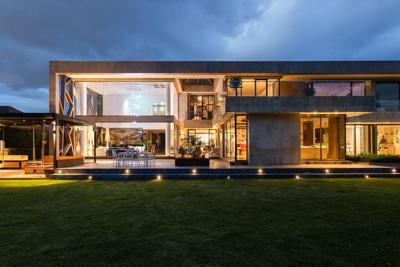
When a buyer walks into a home for the first time, they feel it before they think about it. A bright, open room feels welcoming and well-cared-for. A dark, cramped one feels like a problem. Good lighting isn't just about aesthetics. It's one of the most powerful and affordable tools you have to increase your home's perceived value before listing.

47% of buyers say lighting affects their first impression | 3x faster sales for well-lit homes on average | $0 The cost for many of these quick lighting fixes |
|---|
Why Light Is One of Your Strongest Selling Tools
Natural light is the number one feature most home buyers look for, ranking even above updated kitchens and storage space in many surveys. When a room feels bright, it feels bigger, cleaner, and newer. When it feels dark, buyers start wondering what's wrong with it, even if nothing is.
This is why real estate agents stage homes with lights on during showings, schedule open houses during daylight hours, and often recommend basic lighting updates before listing. Light doesn't just show off a space. It shapes how people feel about it.
The good news is that improving the light in your home doesn't require a renovation. Most of the most effective changes take an afternoon and cost very little. Let's walk through exactly what to do, room by room and step by step.
Quick insight Buyers decide within 30 seconds whether they like a home. Lighting is one of the first things their brain registers, and it happens automatically. |
|---|
Start With Windows: Your Free Natural Light Source
Before you spend a dollar on lighting, look at your windows. Dirty glass, heavy drapes, and overgrown bushes outside can reduce the light coming into a room by a surprising amount. Clean every window inside and out, and you'll immediately notice a difference.
Swap out dark, heavy curtains for sheer or light-colored panels. If privacy isn't a concern, remove curtains entirely during showings. Push furniture away from windows so nothing blocks the light from spreading across the room. Trim any hedges or trees outside that are casting shadows into the space.
Key takeaways, window light fixes
|
|---|
Mirrors are one of the oldest tricks in interior design, and they work just as well for selling homes. A large mirror placed on the wall directly across from a window can nearly double the perceived brightness of a room. This works in bedrooms, hallways, dining areas, and anywhere that feels dim or boxed in.
Room-by-Room Lighting Upgrades That Make a Real Difference
Working with an experienced agent like DeGusipe Real Estate can help you prioritize which rooms need the most attention before your listing goes live. Different rooms have different lighting needs, and a few targeted upgrades can make your home photograph and show dramatically better.
In the living room, overhead lighting is rarely flattering. Layer your light sources instead: a floor lamp in a dark corner, a table lamp on a side table, and warm-toned bulbs in any overhead fixtures. Aim for a color temperature around 2700–3000K (labeled warm white on bulb packaging) for a cozy, inviting glow.
Kitchens benefit most from under-cabinet lighting. It's inexpensive to install, makes the space feel more modern, and improves the look of countertops significantly in listing photos. In bathrooms, replace any globe-style bulbs above the vanity with clear, bright ones at 3000K. They cast less shadow on faces and make the room look cleaner in photos.
Bedrooms often get overlooked, but a well-lit bedroom looks bigger and more inviting. Add bedside lamps and make sure every overhead light has a working, matching bulb. Mismatched bulbs with different color temperatures make a room look messy and neglected.
Paint Colors and Surfaces That Amplify Light
Light doesn't just come from fixtures; it bounces off surfaces. A room painted in a deep, saturated color absorbs light. A room painted white, cream, or light gray reflects it. If you're doing any touch-up painting before listing, this is your chance to make a significant impact.
You don't have to paint every room. Focus on the spaces that feel most closed-in: a hallway, a small bedroom, or a low-ceiling basement living area. Even a single coat of a warm white over a dark accent wall can transform how spacious the room feels.
Glossy finishes on trim, baseboards, and doors also reflect light in subtle ways that add up. Semi-gloss or gloss on woodwork while using matte on walls is a classic combination that makes rooms look polished and light-filled. Flooring matters, too; if you have hardwood floors, get them buffed before listing. Clean, shiny floors act like a mirror for light coming in from windows and doorways.
Lighting for Listing Photos vs. Showings
There are two audiences for your home's lighting: the camera and the visitor. Photographers typically shoot at specific times of day to catch natural light and use their own equipment to balance exposures. That said, you should still prepare the home as if no photographer is coming to the rescue.
Turn on every single light in the house before a photoshoot or showing: lamps, under-cabinet lights, bathroom vanities, closet lights, everything. Homes photographed with all lights on look dramatically more inviting than those with selective or no lighting. For photos, open all blinds and curtains fully, and if the day is overcast, make sure all artificial lights are especially bright and warm.
Key takeaways, showing day checklist
|
|---|
Low-Cost Fixes Worth Doing Right Now
You don't need a big budget to make a real difference. Swap all your bulbs to the same warm white color temperature; a mixed bag of cool daylight and warm incandescent bulbs makes a home look disjointed and poorly maintained. A full set of matching LED bulbs can cost under $30 and change the feel of every room.
Add a simple $15 floor lamp to any dark corner in your living room or master bedroom. Remove ceiling fan light kits that rattle or flicker and replace them with a clean, simple flush-mount fixture. Clean your light switch plates; yellowed or dirty plates are a small thing buyers notice, and it signals neglect. These are all two-hour projects that cost very little and signal to buyers that the home has been cared for.
Light, at its core, is about perception. A home that feels bright and open is a home that buyers can imagine themselves living in. It photographs better, shows better, and competes more effectively in a crowded listing market. Before you spend thousands on new appliances or countertops, spend an afternoon on light. It may be the highest-return investment you make before listing.
FAQ
Q1: Why is lighting important when selling a house?
Answer: Lighting significantly impacts a buyer's first impression. A bright, open room feels welcoming and well-cared-for, while a dark, cramped space can raise concerns about the property. Good lighting enhances the perceived value of a home and can lead to quicker sales.
Q2: What are some quick fixes to improve natural light in my home?
Answer: Start by cleaning all windows thoroughly, replacing dark curtains with sheer panels, trimming outdoor plants that block light, and moving furniture away from window sills. These simple changes can greatly enhance the natural light in your home.
Q3: How can I make my rooms feel bigger with lighting?
Answer: To create the illusion of larger spaces, use mirrors to bounce light deeper into the room, paint with light colors, and ensure all light fixtures have matching warm white bulbs. Layering light sources with lamps and fixtures can also help brighten the space.
Q4: What lighting upgrades should I consider for specific rooms?
Answer: In the living room, use multiple light sources like floor and table lamps. For kitchens, add under-cabinet lighting, and in bathrooms, use bright bulbs over vanities. Ensure bedrooms have bedside lamps and matching bulbs for a cozy feel.
Q5: What should I do to prepare my home’s lighting for photos and showings?
Answer: Turn on all lights in the house, open all blinds and curtains fully, and replace any burned-out bulbs 48 hours before showing. Use warm white bulbs for a cohesive look and schedule showings during mid-morning to early afternoon to maximize natural light.

(0) comments
We welcome your comments
Log In
Post a comment as Guest
Keep it Clean. Please avoid obscene, vulgar, lewd, racist or sexually-oriented language.
PLEASE TURN OFF YOUR CAPS LOCK.
Don't Threaten. Threats of harming another person will not be tolerated.
Be Truthful. Don't knowingly lie about anyone or anything.
Be Nice. No racism, sexism or any sort of -ism that is degrading to another person.
Be Proactive. Use the 'Report' link on each comment to let us know of abusive posts.
Share with Us. We'd love to hear eyewitness accounts, the history behind an article.