
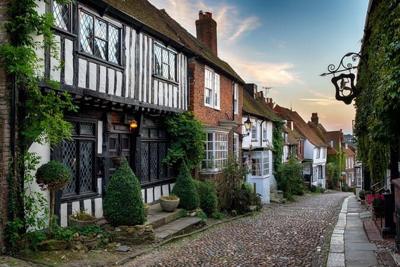

A multi-stop trip around Britain doesn't have to mean packing up and moving on every morning. Choosing the right town as a base can put several must-see destinations within easy reach, freeing up more time to explore and spending less time changing hotels or driving long distances. Good rail connections, straightforward road access, and proximity to several sights can make all the difference when planning a few days in one region.
A well-connected town can make day trips to national parks, historic landmarks, and neighbouring cities much simpler, while still leaving time to explore locally without rushing. The five places below are particularly well placed for seeing more of Britain without having to move on every night.
Seven Blue Flag Beaches Lie Near Padstow
Situated on the estuary of the River Camel in North Cornwall, Padstow acts as the gateway to a five-mile stretch of coastline known as the Seven Bays. The A389 connects the town directly to the A39 Atlantic Highway, placing beaches like Trevone, Harlyn, and Constantine within a fifteen-minute drive. The South West Coast Path also passes through Padstow, making it easy to explore sections of the north Cornish coastline on foot.
The 18-mile Camel Trail starts at the harbour edge, offering a flat, traffic-free cycle route along a disused railway line straight to Wadebridge and Bodmin. With beaches, coastal walks, and the Camel Trail close by, this part of the north coast has also become a popular setting for coveted hot tub holidays in Cornwall. Padstow's road and cycle connections also make it practical to explore both the coast and nearby inland towns without changing location each day.
Fort William Calls Itself Britain's Outdoor Capital
Located in Lochaber at the southern end of the Great Glen, Fort William sits directly at the junction of the A82 and A830 trunk roads. This makes the town an important transport hub for the western Scottish Highlands, with both road and rail connections. Direct ScotRail services connect Fort William to Glasgow Queen Street in under four hours, while the West Highland Line runs west toward the port of Mallaig.
The base of Ben Nevis, Britain's highest peak at 1,345 metres, lies three miles from the town centre at Glen Nevis. The 79-mile Great Glen Way footpath begins in town, heading northeast along Loch Ness toward Inverness. Glenfinnan Viaduct is around thirty minutes away by car, while the Jacobite Steam Train crosses the same historic railway structure during its seasonal journeys.
Farringdon Sits on Three Different London Rail Lines
Positioned on the edge of the City of London, Farringdon functions as one of the capital's most versatile transit junctions. The station integrates the Elizabeth Line, the Thameslink mainline network, and three London Underground lines under one roof. Travellers landing at Heathrow Airport can reach Farringdon directly in around 36 minutes via the Elizabeth Line, while Thameslink trains run directly to Gatwick and Luton airports.
These rail connections make it easier to explore central London without relying on taxis or multiple changes. Staying at renowned Clerkenwell hotels places visitors within walking distance of St. Paul's Cathedral and Smithfield Market, with direct rail connections north to St. Pancras International and south to Brighton. The neighbourhood also works well as a base for trips that combine London with destinations elsewhere in the UK.
Windermere Puts You Within Reach of 16 Lakes
Windermere sits at the terminus of a short branch line running directly from Oxenholme Lake District station on the West Coast Main Line. This rail connection allows travellers arriving from London Euston or Edinburgh Waverley to transfer into the national park without hiring a car at a major city station. The A591 runs through the town, continuing north through Ambleside and Grasmere.
From this central position, visitors can travel farther into the Lake District, including towards Ullswater via the Kirkstone Pass or west towards Coniston Water. Lake cruises depart regularly from Bowness Bay, connecting different points around Windermere. Using the town as a hub can also reduce the amount of driving needed when exploring different parts of the national park.
Bath Is 15 Minutes From Bristol, 90 From London
Bath Spa station sits on the Great Western Main Line, offering non-stop rail links to London Paddington in 80 to 90 minutes. Trains run west to Bristol Temple Meads every ten minutes during peak hours, completing the journey in just 11 to 15 minutes. This rapid intercity rail access allows travellers to divide their itineraries between Bath's Georgian architecture and Bristol's maritime harbour district without rebooking accommodation.
By road, the A46 link connects Bath to Junction 18 of the M4 motorway in ten miles, opening up straightforward drives to South Wales and the Cotswolds. The historic village of Castle Combe sits 13 miles north, while Stonehenge lies 34 miles southeast, along the A36 corridor. Using Bath as a base puts the Roman Baths and the city's UNESCO-listed heritage within walking distance, with convenient road connections to surrounding areas.
Which base would you choose first?
Choosing the right base depends on how you prefer to travel and which places you want to visit. Well-connected locations such as Farringdon and Bath work particularly well for rail journeys, while Padstow, Fort William, and Windermere make it easier to explore rural coastlines, national parks, and mountain landscapes.
Planning your UK trip around one well-placed town can reduce the time spent moving between hotels and make day trips more practical. Map out your highest-priority sights, look at the transport links between them, and choose a base that keeps as many as possible within easy reach.


(0) comments
We welcome your comments
Log In
Post a comment as Guest
Keep it Clean. Please avoid obscene, vulgar, lewd, racist or sexually-oriented language.
PLEASE TURN OFF YOUR CAPS LOCK.
Don't Threaten. Threats of harming another person will not be tolerated.
Be Truthful. Don't knowingly lie about anyone or anything.
Be Nice. No racism, sexism or any sort of -ism that is degrading to another person.
Be Proactive. Use the 'Report' link on each comment to let us know of abusive posts.
Share with Us. We'd love to hear eyewitness accounts, the history behind an article.