
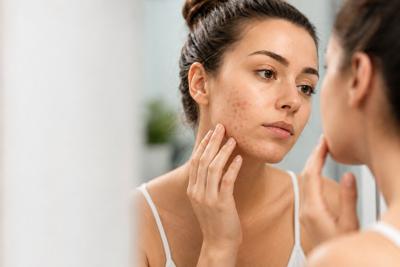

Adult acne has a special talent for showing up at the least convenient time. It appears before a meeting, a dinner, a photo, a trip, or the exact week you thought your skin had finally decided to behave. Unlike teenage acne, adult acne often feels more personal because it tends to arrive with other grown-up skin concerns, including dryness, sensitivity, fine lines, discoloration, and a skin barrier that no longer tolerates every aggressive product on the shelf.
The good news is that adult acne can be managed. The less glamorous news is that it usually requires consistency, patience, and a routine that treats the skin like skin, not a stubborn kitchen counter that needs to be scrubbed into submission. A smarter approach focuses on calming breakouts, protecting the skin barrier, and addressing the marks acne can leave behind.
Why Adult Acne Happens
Adult acne is not a sign of poor hygiene. In many cases, it is connected to a mix of hormones, excess oil, clogged pores, inflammation, stress, certain medications, genetics, and products that do not agree with your skin. For many adults, breakouts tend to appear along the jawline, chin, cheeks, neck, chest, or back, although acne can show up almost anywhere there are oil glands.
Hormonal changes are a common factor, especially when acne appears in deeper, tender bumps around the lower face. Stress can also make breakouts feel worse because it can affect inflammation and oil production. That does not mean stress alone causes acne, but it can be one more thing your skin is forced to deal with while you are already dealing with everything else.
Adult Acne Needs a Gentle Routine
The first mistake many adults make is treating acne-prone skin as if it needs punishment. Harsh scrubs, drying masks, alcohol-heavy toners, and too many active ingredients can leave the skin irritated, flaky, and still breaking out. Irritated skin does not look clearer. It usually looks angrier.
A better starting point is a simple routine: a gentle cleanser, a lightweight non-comedogenic moisturizer, sunscreen in the morning, and one acne-focused treatment used consistently. This is not exciting, but neither is a bathroom shelf full of half-used products that all promised glass skin and delivered confusion.
Ingredients That Can Help Breakouts
Several ingredients are commonly used for acne-prone skin. Benzoyl peroxide can help reduce acne-causing bacteria and inflammation. Salicylic acid can help clear oil and debris inside pores. Topical retinoids, such as adapalene or prescription retinoids, can help prevent clogged pores and improve the look of uneven texture over time. Azelaic acid can help with acne, redness, and the dark spots that sometimes remain after blemishes fade.
The key is not to use everything at once. A routine packed with benzoyl peroxide, retinoids, exfoliating acids, vitamin C, and peels may sound serious, but it can easily backfire. Introduce active ingredients slowly, watch how the skin responds, and give products time to work. Most acne routines need several weeks before the results become clear.
Do Not Skip Moisturizer
Many adults with acne avoid moisturizer because they are afraid it will make their skin oily. In reality, skipping moisturizer can make the skin feel tight, irritated, and more vulnerable to dryness from acne treatments. A lightweight moisturizer can help support the skin barrier while still keeping the routine comfortable.
Look for formulas labeled non-comedogenic, oil-free, or suitable for acne-prone skin. Gel creams and light lotions often work well for oily or combination skin, while drier skin may need a slightly richer barrier-supporting formula. The goal is balance, not heaviness.
Sunscreen Matters More Than People Think
Sunscreen is one of the most important steps in an adult acne routine because UV exposure can make post-acne discoloration look darker and last longer. This is especially important for anyone dealing with dark spots, redness, melasma, or uneven tone.
If sunscreen tends to break you out, the issue may be the formula, not sunscreen itself. Lightweight mineral sunscreens, oil-free fluids, and acne-friendly gel formulas can be easier to tolerate. The best sunscreen is the one you will actually wear every day without treating it like a punishment.
When Acne Leaves Marks Behind
One of the most frustrating parts of adult acne is that the breakout may be gone, but the reminder stays. Post-acne marks can look like brown spots, red marks, uneven tone, or changes in texture. These marks are not always the same as true scars, but they can still affect how smooth and even the skin looks.
This is where targeted recovery products can make sense. Silagen Reveal is designed for the look of acne scars, post-acne spots, redness, and uneven texture. It fits best after the active breakout stage, when the goal shifts from calming pimples to improving the visible marks they left behind. Its acne scar formula includes ingredients such as medical-grade silicone gel, azelaic acid, bakuchiol, vitamin C, and licorice root extract, which makes it a better fit for the post-acne mark conversation than for treating an active breakout itself.
The important distinction is this: scar and spot care should support the routine, not replace acne treatment. If new breakouts keep forming, the first priority is controlling the acne cycle. Once the skin is calmer, products focused on texture and discoloration can be worked in more thoughtfully.
Stop Picking Before the Skin Sends a Formal Complaint
Picking at acne is understandable. It is also one of the fastest ways to make a small breakout last longer, look worse, and leave a mark behind. Squeezing a blemish can increase inflammation, push irritation deeper into the skin, and raise the risk of discoloration or scarring.
If you need something to do, use a hydrocolloid patch on appropriate blemishes, keep your hands away from your face, and let treatments do their job. It is not as satisfying in the moment, but it is usually much kinder to the skin.
When to See a Dermatologist
Adult acne that is painful, cystic, widespread, or not improving with over-the-counter care deserves professional attention. A dermatologist can recommend prescription retinoids, topical or oral medications, hormonal options, in-office treatments such as Rejuran Healer Injection, or a plan for acne marks and scarring.
It is also worth seeing a dermatologist if acne appears suddenly, worsens quickly, or comes with other symptoms. Sometimes breakouts are connected to hormones, medications, underlying conditions, or skin issues that look like acne but need a different approach.
What Not to Do
Do not scrub acne away. Do not dry your skin out on purpose. Do not start five new products in one week and then wonder which one caused the disaster. Do not use lemon juice, toothpaste, baking soda, or other home remedies that can irritate the skin and make discoloration worse.
Adult acne is best handled with a calm, consistent routine that respects the skin barrier and addresses both breakouts and what they leave behind. The right plan does not need to be complicated. It needs to be steady, targeted, and realistic enough that you will actually follow it.
The Smarter Adult Acne Routine
Adult acne is different because adult skin is different. It may be oily and dry at the same time. It may break out while also showing fine lines. It may need acne treatment, sunscreen, hydration, and post-acne mark care all in the same routine.
The best approach is not to chase every trend. Start with a gentle cleanser, a moisturizer that supports the skin barrier, daily sunscreen, and one or two proven acne-focused ingredients. Once breakouts are under better control, add targeted care for lingering marks and uneven texture. That is how adult acne care becomes less frantic and more effective.

(0) comments
We welcome your comments
Log In
Post a comment as Guest
Keep it Clean. Please avoid obscene, vulgar, lewd, racist or sexually-oriented language.
PLEASE TURN OFF YOUR CAPS LOCK.
Don't Threaten. Threats of harming another person will not be tolerated.
Be Truthful. Don't knowingly lie about anyone or anything.
Be Nice. No racism, sexism or any sort of -ism that is degrading to another person.
Be Proactive. Use the 'Report' link on each comment to let us know of abusive posts.
Share with Us. We'd love to hear eyewitness accounts, the history behind an article.