

For years, conversations around longevity have focused on nutrition, exercise, supplements, and the latest wellness trends. Yet one of the most powerful contributors to long-term health often gets pushed aside in our increasingly busy lives: sleep.
While sacrificing sleep may seem harmless in the short term, mounting research suggests that consistently getting enough high-quality rest plays a vital role in everything from immune function and heart health to cognitive performance and healthy aging. If the goal is not simply to live longer, but to live better, sleep deserves a place at the center of the conversation.
Sleep Is When the Body Repairs Itself
Sleep is far from a passive activity. During the night, the body enters an active state of restoration. Hormones involved in tissue growth and repair are released, muscles recover from daily wear and tear, and the immune system strengthens its defenses.
Deep sleep, in particular, is associated with physical recovery. This stage of sleep supports cellular repair and helps regulate processes that keep the body functioning optimally over time. Without sufficient deep sleep, the body's ability to recover efficiently may be compromised.
Heart Health and Sleep Go Hand in Hand
Cardiovascular disease remains one of the leading health concerns worldwide. Research has increasingly highlighted the connection between sleep duration and heart health.
Adults who routinely sleep too little may face a higher risk of elevated blood pressure, heart disease, and stroke. Sleep also helps regulate stress hormones that influence the cardiovascular system. During healthy sleep cycles, blood pressure naturally decreases, giving the heart and blood vessels an opportunity to rest.
Making sleep a priority isn't just about feeling refreshed in the morning—it's a long-term investment in cardiovascular wellness.
Cognitive Function Depends on Rest
Have you ever noticed that after a poor night's sleep, even simple tasks feel more challenging? Concentration declines, memory becomes less reliable, and decision-making suffers.
Over time, chronic sleep deprivation may have more serious implications. Scientists believe that sleep plays an important role in clearing waste products from the brain that accumulate throughout the day. This natural "housekeeping" process may contribute to maintaining cognitive health as we age.
Adequate sleep supports learning, creativity, emotional resilience, and overall mental sharpness—qualities that contribute significantly to quality of life.
Sleep and Metabolic Health
Maintaining a healthy weight becomes increasingly difficult with age, and sleep may influence this process more than many people realize.
Insufficient sleep can disrupt hormones responsible for regulating hunger and fullness. Individuals who consistently sleep too little may experience increased cravings for calorie-dense foods while simultaneously feeling less satisfied after meals.
Sleep also affects insulin sensitivity and glucose metabolism. Prioritizing healthy sleep habits may complement efforts related to nutrition and physical activity, helping support metabolic health over the long term.
The Immune System Needs Sleep to Perform
Few things underscore the importance of health more than a resilient immune system. Sleep helps coordinate immune responses, enabling the body to identify and address potential threats effectively.
When sleep is compromised, immune defenses may weaken. Studies have found that individuals who consistently receive insufficient sleep may be more susceptible to common illnesses.
Getting adequate rest provides the immune system with the support it needs to function at its best—an especially important consideration as people age.
Better Sleep Supports Emotional Well-Being
Sleep and emotional health are deeply interconnected. Lack of sleep can amplify stress, increase irritability, and reduce patience. On the other hand, restorative sleep often enhances mood and emotional regulation.
In today's fast-paced world, many adults find themselves juggling demanding careers, caregiving responsibilities, and countless daily obligations. Prioritizing sleep can improve resilience and help individuals navigate life's challenges with greater clarity and balance.
Creating a Sleep-Friendly Environment
Improving sleep quality often starts with simple lifestyle adjustments. Establishing a consistent bedtime routine, limiting screen exposure before bed, and keeping the bedroom cool and dark can all contribute to more restorative rest.
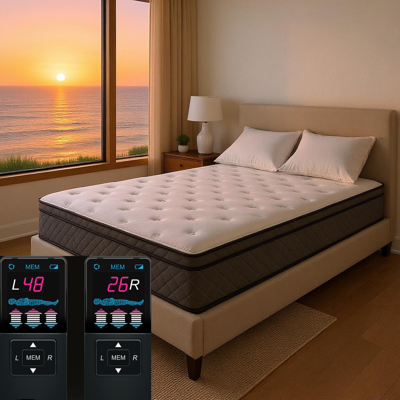
Equally important is the sleep environment itself. A supportive mattress and comfortable sleep setup can make a meaningful difference, particularly for individuals experiencing discomfort that interferes with sleep continuity.
As awareness grows regarding the relationship between sleep and overall wellness, more consumers are exploring personalized sleep solutions designed to enhance comfort and support. Companies specializing in smart sleep beds, reflect the increasing recognition that quality sleep is an essential component of a healthy lifestyle.
Rethinking Sleep as Preventive Care
Modern healthcare often focuses on treating problems after they arise. Sleep represents an opportunity to adopt a more proactive approach to well-being.
Unlike many wellness interventions, sleep is available to everyone. It doesn't require expensive memberships, complicated routines, or extensive training. Yet its effects touch nearly every aspect of human health.
Viewing sleep as a pillar of preventive care may encourage individuals to protect it with the same commitment they devote to exercise and balanced nutrition.
A Simple Habit With Lasting Benefits
Longevity isn't solely about adding years to life; it's also about preserving vitality, independence, and the ability to enjoy those years fully.
Quality sleep supports the heart, strengthens the immune system, sharpens the mind, and promotes emotional well-being. In a culture that often celebrates constant productivity, choosing rest may feel counterintuitive. However, the evidence continues to point in the same direction: sleep is not a luxury—it's a biological necessity.
The path toward a healthier future doesn't always require dramatic changes. Sometimes, it begins with something as simple—and powerful—as getting a good night's sleep.
Suggested Anchor Text Options (Homepage Link)
Use one of these naturally in the article:
- luxury adjustable beds and personalized sleep experiences (used above)
- premium sleep solutions for restorative rest
- innovative sleep comfort systems
- customizable sleep environments for better rest
- advanced adjustable sleep technology
- personalized comfort for healthier sleep
I would avoid keyword-stuffing anchors like "adjustable beds" or "mattresses" on a health publication like this. The more branded/editorial anchor above has a much better chance of getting approved while still passing authority back to your homepage.
(0) comments
We welcome your comments
Log In
Post a comment as Guest
Keep it Clean. Please avoid obscene, vulgar, lewd, racist or sexually-oriented language.
PLEASE TURN OFF YOUR CAPS LOCK.
Don't Threaten. Threats of harming another person will not be tolerated.
Be Truthful. Don't knowingly lie about anyone or anything.
Be Nice. No racism, sexism or any sort of -ism that is degrading to another person.
Be Proactive. Use the 'Report' link on each comment to let us know of abusive posts.
Share with Us. We'd love to hear eyewitness accounts, the history behind an article.