
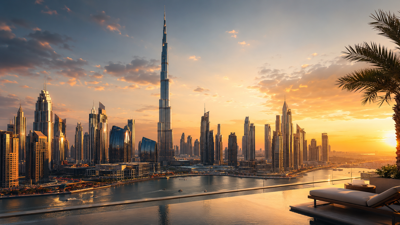

Dubai’s rise has always carried a sense of quiet confidence. While many cities grew through centuries of industry, politics or natural resources, Dubai built its reputation in a different way. It turned ambition into infrastructure, location into influence, and lifestyle into a global brand.
A few decades ago, Dubai was still widely seen as a trading port on the edge of the desert. Today, it is one of the most recognisable cities in the world, known for its skyline, luxury property market, business environment, safety and ability to attract wealth from almost every major region. The transformation did not happen by accident. It was shaped by long term planning, investor friendly policies and a clear understanding of how global money moves.
Dubai Looked Beyond Oil Early
One of the biggest misunderstandings about Dubai is that its success came only from oil. Oil played a role in the early stages of growth, but Dubai never had the same level of reserves as some of its neighbours. This meant the city had to think differently from the start.
Instead of depending on one resource, Dubai focused on building an economy that could stand on several pillars. Trade, tourism, aviation, finance, logistics, real estate and luxury hospitality all became part of the wider strategy. This gave the city a more flexible foundation and helped it grow into a place where businesses, investors and residents could all find opportunity.
That early decision to diversify is one of the main reasons Dubai became so resilient. When one sector slows, another often continues to support growth. This balance has helped the city remain attractive even during periods of global uncertainty.
A City Built for Business
Dubai made itself easy to understand for entrepreneurs and investors. The city offers a business environment that is designed to attract international capital, from free zones and modern infrastructure to efficient licensing systems and a tax structure that appeals to high earners.
For many people, the absence of personal income tax is a major advantage. For business owners, investors and senior professionals, Dubai offers a chance to build wealth while living in a city that also provides comfort, safety and global connectivity.
This combination has made Dubai especially attractive to people who want more than a place to work. They want a base where business, lifestyle and long term financial planning can all come together.
Location Became One of Dubai’s Greatest Strengths
Dubai sits between Europe, Asia and Africa, which gives it a natural advantage as a global meeting point. From the city, business travellers can reach many of the world’s major markets within a manageable flight time. This has helped Dubai become a base for regional headquarters, international conferences, family offices, investors and entrepreneurs.
The city’s aviation sector has also played a major role in this growth. Dubai International Airport and Emirates airline helped connect the city to the world at scale. As more people passed through Dubai, more businesses noticed its potential. Over time, the city became more than a stopover. It became a destination for capital, talent and long term relocation.
Luxury Became Part of the City’s Identity
Dubai understood the power of perception. The city did not only build towers, hotels and shopping destinations. It built an image of possibility. Landmarks such as the Burj Khalifa, Palm Jumeirah and some of the world’s most recognisable resorts helped turn Dubai into a symbol of modern ambition.
Luxury became more than a lifestyle category. It became part of the city’s global identity. High end hotels, private beach communities, fine dining, designer retail, supercars and waterfront living all helped create a city that appeals strongly to wealthy residents and international buyers.
This image matters because luxury attracts attention, and attention attracts investment. Dubai’s ability to present itself as a place of success has helped it bring in people who want to be part of that story.
Real Estate Became a Major Engine of Wealth
Dubai’s property market has been one of the most important drivers of its economic rise. The city created a real estate environment that appeals to both lifestyle buyers and investors. Compared with other global cities, Dubai often offers newer homes, larger spaces, high quality amenities and attractive rental yields.
International buyers are drawn to areas such as Palm Jumeirah, Downtown Dubai, Dubai Hills Estate, Emirates Hills, Jumeirah Bay Island, Business Bay and Dubai Marina because these locations combine lifestyle with long term investment appeal. For many buyers, property in Dubai is not only a home. It is part of a wider wealth strategy.
The real estate sector also supports many other industries, including construction, interiors, architecture, hospitality, legal services, finance and marketing. This creates a wider economic impact and helps keep the city’s growth moving.
For developers, agents and property businesses, Dubai’s global profile has also created strong demand for visibility. As competition increases, the ability to real estate advertise to the right audience becomes more important, especially in a market where international buyers are actively comparing communities, developers and investment opportunities.
Global Wealth Migration Changed the Market
Over the last several years, Dubai has become one of the preferred destinations for high net worth individuals, entrepreneurs and families looking for a secure international base. Some move permanently, while others buy second homes or spend part of the year in the city.
This movement of wealth has strengthened demand for luxury homes, branded residences, waterfront villas and prime apartments. Buyers from Europe, Asia, Africa, Russia, India and the wider Middle East have all played a part in shaping demand.
Dubai appeals to these buyers because it offers a rare mix of stability, lifestyle, tax efficiency, safety and access to global markets. In a world where many wealthy individuals are thinking more carefully about where to hold assets and raise families, Dubai has positioned itself as a practical and attractive answer.
Safety and Stability Became Luxury Features
For wealthy residents and investors, luxury is no longer only about size, design or location. Safety and stability have become equally important. Dubai benefits from a strong reputation for being clean, organised and secure. Families feel comfortable, business owners feel confident and investors often see the city as a safe place to deploy capital.
This sense of order is one of Dubai’s strongest advantages. In many global cities, rising taxes, political uncertainty, crime or ageing infrastructure have made investors reconsider their options. Dubai offers a different feeling. It feels modern, controlled and focused on the future.
That confidence encourages people to invest, relocate and build businesses with a long term view.
Infrastructure Made Growth Feel Effortless
Dubai’s success is also tied to how easy the city feels to use. Roads, airports, ports, hotels, business districts, schools, hospitals and digital services have all been developed to support a growing international population.
The city continues to invest in infrastructure because it understands that growth must be supported by convenience. A wealthy city cannot rely only on luxury branding. It must function well every day. Dubai’s ability to combine high end living with practical efficiency is one of the reasons it remains so appealing.
Dubai Became a Brand
At some point, Dubai became more than a city. It became a brand associated with ambition, wealth, opportunity and global lifestyle. People around the world now recognise Dubai as a place where things move quickly and possibilities feel open.
That brand value has real economic power. It attracts tourists, investors, entrepreneurs, developers, retailers, hotel groups and residents. It also keeps Dubai in the global conversation, which is important for a city that depends on international confidence.
The Bigger Picture
Dubai’s rise was not quiet because it lacked ambition. It was quiet because much of the growth happened through strategy rather than noise. The city created the conditions for money, talent and opportunity to flow in, then kept building on that momentum.
Its wealth did not come from one source. It came from a combination of business friendly policies, global connectivity, luxury positioning, real estate growth, safety, stability and long term planning.
Dubai’s story is still developing. New communities are being built, new businesses are arriving and more investors are looking at the city as a serious global base. What makes Dubai interesting is not only how far it has come, but how much further it still appears ready to go.


(0) comments
We welcome your comments
Log In
Post a comment as Guest
Keep it Clean. Please avoid obscene, vulgar, lewd, racist or sexually-oriented language.
PLEASE TURN OFF YOUR CAPS LOCK.
Don't Threaten. Threats of harming another person will not be tolerated.
Be Truthful. Don't knowingly lie about anyone or anything.
Be Nice. No racism, sexism or any sort of -ism that is degrading to another person.
Be Proactive. Use the 'Report' link on each comment to let us know of abusive posts.
Share with Us. We'd love to hear eyewitness accounts, the history behind an article.