
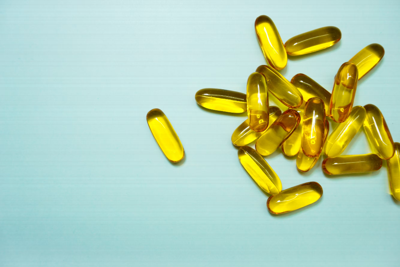

For households focused on comprehensive nutrition, few supplements pack as much of a punch as a well-sourced cod liver oil. What sets it apart from ordinary fish oil is its dual benefit: omega-3 fatty acids known to support heart and brain health, plus naturally occurring vitamins A and D, which play a key role in eye health, immune function, and strong bones. The catch is that the market is crowded with dozens of competing brands, and separating genuine quality from marketing hype takes a close look at how each product is sourced, tested, and processed.
We assessed the top cod liver oil brands using criteria like omega-3 potency, independent lab verification, sustainability credentials, taste, and overall cost-effectiveness. The rankings below highlight the real differences in quality that matter most to families focused on long-term health.
1. Carlson Labs Cod Liver Oil
A family-owned company that's been in the supplement business since 1965, Carlson Labs remains a benchmark for Norwegian cod liver oil done right. Their flagship liquid product delivers 1,100 mg of omega-3s (EPA + DHA combined) per teaspoon, sourced exclusively from wild-caught Norwegian Arctic cod processed the same day of capture.
What sets this product apart is the combination of rigorous testing and flavor engineering. Every batch goes through an FDA-registered laboratory and carries IFOS (International Fish Oil Standards) certification, addressing concerns about heavy metals and oxidation that plague lesser brands. The result is a clean-tasting oil available in lemon, green apple, fruit splash, or natural varieties—none of which leave the dreaded fish burp that derails consistent use.
For families managing multiple supplement routines, Carlson Labs offers both 250 mL and 500 mL bottles, priced between $38.90 and $72 depending on size. The company is now led by the founder's two daughters and has committed to plastic-neutral operations across its 300+ product line—a detail that resonates with environmentally conscious households.
The trade-off? Carlson's processing removes some naturally occurring vitamin A, which is then added back in standardized amounts. Purists seeking unrefined oil may prefer a raw alternative, but for most families, the consistency and verified purity justify the approach.
2. Nordic Naturals Arctic Cod Liver Oil
Nordic Naturals occupies the premium end of the fish oil market for good reason. Their Arctic Cod Liver Oil provides 1,060 mg of total omega-3s per teaspoon in liquid form, or 750 mg per three-softgel serving. The brand's vertical integration—controlling the supply chain from Norwegian boats to bottling—ensures exceptional freshness, and their Friend of the Sea certification demonstrates a commitment to sustainable fishing practices.
The molecular form matters here: Nordic Naturals uses the natural triglyceride structure rather than cheaper ethyl ester concentrates, which translates to better absorption. Independent testing consistently shows their products meet or exceed international purity standards, and the lemon or orange flavors mask any fishiness effectively.
Pricing sits slightly higher than Carlson—typically $27 to $29 for an 8-ounce liquid bottle—but the brand's reputation for quality control and the availability of multiple formats (liquid, softgels, kid-specific formulas) make it a versatile choice for households with varying preferences.
3. Rosita Real Foods Extra Virgin Cod Liver Oil
For those willing to pay a significant premium for minimal processing, Rosita occupies a category of one. This Norwegian company produces the only fresh, raw, extra-virgin cod liver oil on the market, extracted without heat or chemicals using a proprietary cold-release method that preserves the full spectrum of naturally occurring nutrients.
The oil is hand-bottled within 48 hours of the fish being caught in remote Norwegian fjords, and every batch undergoes third-party testing to meet strict European standards for purity. Because nothing is refined out and nothing synthetic is added back, you're getting cod liver oil in its most ancestral form—complete with naturally variable levels of vitamins A and D based on the season and the fish's diet.
That authenticity comes at a cost. A 150 mL bottle runs around $60 to $70, and the taste is distinctly fishy—this is fresh liver oil, not a flavor-engineered product. Rosita is ideal for wellness enthusiasts who prioritize unprocessed whole foods and have the palate (or the conviction) to handle a more robust flavor profile.
4. Garden of Life Olde World Icelandic Cod Liver Oil
Garden of Life brings its whole-food philosophy to the cod liver oil category with a product sourced from wild-caught Icelandic cod. The brand emphasizes minimal processing and uses low-temperature methods to preserve nutrient integrity. Each teaspoon provides around 1,050 mg of omega-3s along with naturally occurring vitamins A and D.
While Garden of Life doesn't have the same decades-long specialization in fish oil as Carlson or Nordic Naturals, the brand's broader commitment to certified organic and Non-GMO products appeals to families already using their multivitamins or probiotics. The liquid is lightly flavored with lemon and mint, making it more approachable than unflavored options without resorting to heavy sweeteners.
Availability can be inconsistent depending on the retailer, and pricing tends to land in the $35 to $45 range for an 8-ounce bottle—competitive but not a value leader.
5. Now Foods Cod Liver Oil Softgels
For budget-conscious families who want a reputable brand without luxury pricing, Now Foods delivers solid fundamentals. Their cod liver oil softgels provide essential omega-3s along with vitamins A and D at a fraction of the cost of premium liquids—often under $15 for a 180-count bottle.
Now Foods has been in the supplement business since 1968 and operates its own GMP-certified manufacturing facilities, giving it more control over quality than brands that outsource production. Third-party testing is standard, and the softgel format eliminates taste concerns entirely, making it easier for reluctant supplement-takers to stay consistent.
The downside is lower omega-3 concentration per serving compared to high-end liquids, meaning you'll need more capsules to match the EPA and DHA levels of a teaspoon of Carlson or Nordic Naturals. But for families introducing cod liver oil into their routine or working with tighter budgets, Now Foods removes most barriers to entry.
6. Wiley's Finest Wild Alaskan Fish Oil
Though primarily known for concentrated fish oil rather than traditional cod liver oil, Wiley's Finest deserves mention for families seeking maximum omega-3 potency. Their Wild Alaskan products deliver up to 2,150 mg of EPA and DHA per serving using a proprietary purification process that removes contaminants while concentrating the beneficial fatty acids.
Wiley's operates its own facility in Ohio where it processes Alaskan Pollock caught in U.S. waters, offering a domestic alternative to Norwegian imports. The brand's Peak EPA formula is especially popular among those managing cholesterol or triglyceride levels under medical supervision.
The distinction here is important: this isn't cod liver oil, so it lacks the vitamins A and D that define the category. But for families prioritizing omega-3 concentration above all else, Wiley's Finest offers pharmaceutical-grade purity in a fish oil supplement that competes directly with high-end cod liver products.
7. Thorne Research Omega-3 with CoQ10
Thorne takes a targeted approach by pairing omega-3s with Coenzyme Q10, a combination that appeals to families focused on cardiovascular support and cellular energy production. While not strictly a cod liver oil, this NSF Certified for Sport product delivers 630 mg of combined EPA and DHA alongside 30 mg of CoQ10 in a highly absorbable softgel.
Thorne's reputation in the practitioner channel—many physicians and nutritionists recommend the brand to patients—stems from rigorous testing protocols and transparent labeling. The company publishes certificates of analysis for every product batch, a level of accountability that builds trust with health-conscious consumers.
Pricing reflects the premium positioning, typically $45 to $55 for a one-month supply. This isn't an entry-level option, but for families already supplementing with CoQ10 separately, consolidating into a single high-quality product simplifies the routine.
What to Look for When Choosing Cod Liver Oil
Not all cod liver oils are created equal, and the differences matter more than most marketing materials let on. Here's what separates genuinely superior products from over-hyped bottles:
Third-Party Testing and Certification
Look for IFOS certification or equivalent third-party verification. These independent labs test for oxidation levels (measured as peroxide value and totox), heavy metals like mercury and lead, and PCB contamination. Brands that publish batch-specific certificates of analysis demonstrate a higher level of accountability than those making vague purity claims.
Processing Method and Freshness
The timeline from catch to bottle directly impacts nutrient preservation. Norwegian and Icelandic processors that handle fish within hours of harvest—rather than days—produce oils with lower oxidation and better flavor. Cold-processing or molecular distillation removes contaminants without damaging delicate omega-3 bonds, a detail that separates premium products from budget alternatives.
Vitamin A and D Content
Cod liver oil's defining feature is its naturally occurring fat-soluble vitamins. Check whether the product contains natural vitamins from the liver itself or synthetic versions added after processing. Neither approach is inherently wrong—refined oils with added vitamins offer more consistency, while raw oils provide a full spectrum of co-factors—but understanding which you're getting helps set realistic expectations.
Sustainability Certifications
Marine Stewardship Council (MSC) or Friend of the Sea certifications indicate that the fish were caught using methods that don't deplete stocks or damage ocean ecosystems. For families integrating environmental values into purchasing decisions, these certifications carry weight beyond marketing copy.
Liquid vs. Softgels: Which Format Is Right for Your Family?
Liquid cod liver oil offers flexibility in dosing—especially useful for children or anyone adjusting their intake based on seasonal needs—and typically delivers more omega-3s per dollar. The downside is taste sensitivity and the need for refrigeration after opening.
Softgels eliminate flavor concerns entirely and require no refrigeration, making them ideal for travel or for family members who struggle with the texture of liquid oils. The trade-off is higher cost per milligram of omega-3s and less flexibility in adjusting doses.
For families with young children, many brands offer kid-specific formulas with lower doses and fruit flavors that make daily supplementation less of a battle. Nordic Naturals and Carlson both produce children's versions that maintain the same quality standards as their adult products.
Frequently Asked Questions
How much cod liver oil should adults and children take daily?
Most adult formulations recommend one teaspoon (or the equivalent in softgels) daily, providing roughly 1,000 to 1,100 mg of omega-3s. Children's doses typically range from one-quarter to one-half teaspoon depending on age and weight. Always check the label for the manufacturer's guidance, and consult a healthcare provider if you're managing specific health conditions or taking medications that could interact with omega-3s.
Can you take too much cod liver oil?
Yes. Excessive vitamin A from cod liver oil can lead to toxicity, especially during pregnancy. The upper limit for adults is generally around 10,000 IU of preformed vitamin A daily, and many cod liver oils contain 1,000 to 5,000 IU per serving. If you're already taking a multivitamin or eating liver regularly, monitor your total vitamin A intake to avoid exceeding safe levels.
Does cod liver oil need to be refrigerated?
Liquid cod liver oil should be refrigerated after opening to slow oxidation and maintain freshness. Most brands recommend using the bottle within three months once opened. Softgels are shelf-stable and don't require refrigeration, though storing them in a cool, dark place extends their shelf life.
Will cod liver oil help with joint pain or inflammation?
Omega-3 fatty acids, particularly EPA, have well-documented anti-inflammatory properties. Many people report reduced joint discomfort and stiffness with consistent use, though cod liver oil isn't a substitute for medical treatment of arthritis or other inflammatory conditions. The vitamins A and D in cod liver oil may offer additional joint and bone support beyond what standard fish oil provides.
What's the difference between cod liver oil and regular fish oil?
The primary difference is vitamin content. Cod liver oil naturally contains vitamins A and D along with omega-3s, while standard fish oil (typically from anchovies, sardines, or mackerel) provides omega-3s without fat-soluble vitamins. Fish oil supplements often deliver higher omega-3 concentrations per serving, but lack the additional nutritional benefits that make cod liver oil a more complete supplement.
Choosing the right cod liver oil comes down to balancing purity, potency, palatability, and price against your family's specific needs. For most households seeking a reliable, well-tested product with strong omega-3 content and tolerable flavor, Carlson Labs and Nordic Naturals represent the sweet spot of quality and value. Families prioritizing minimal processing and willing to accept a more robust taste should explore Rosita's raw offering. Budget-conscious buyers will find Now Foods delivers essential nutrition without premium pricing.
Regardless of which product you choose, consistency matters more than brand names. The cardiovascular, cognitive, and immune benefits of omega-3 supplementation accrue over time, not overnight. Find a product your family will actually take every day, store it properly, and treat it as part of a broader wellness strategy that includes whole foods, movement, and adequate sleep.
The best supplement is the one you'll use—and with the options available in 2026, there's no reason to settle for oxidized oil, questionable sourcing, or flavors that make daily use a chore.
(0) comments
We welcome your comments
Log In
Post a comment as Guest
Keep it Clean. Please avoid obscene, vulgar, lewd, racist or sexually-oriented language.
PLEASE TURN OFF YOUR CAPS LOCK.
Don't Threaten. Threats of harming another person will not be tolerated.
Be Truthful. Don't knowingly lie about anyone or anything.
Be Nice. No racism, sexism or any sort of -ism that is degrading to another person.
Be Proactive. Use the 'Report' link on each comment to let us know of abusive posts.
Share with Us. We'd love to hear eyewitness accounts, the history behind an article.