
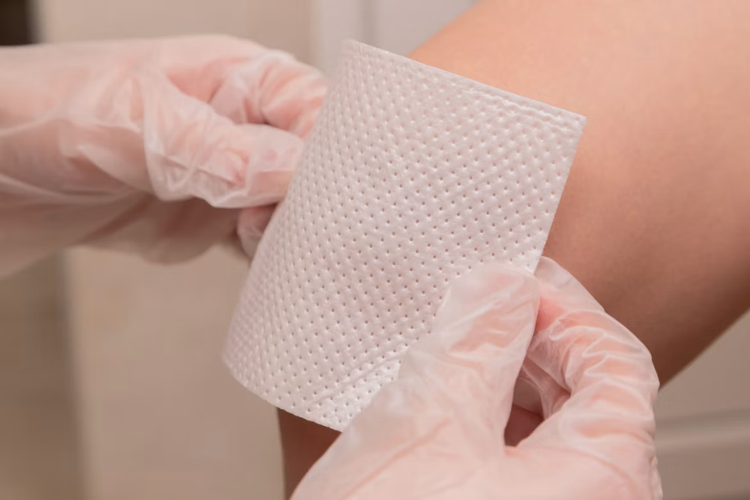
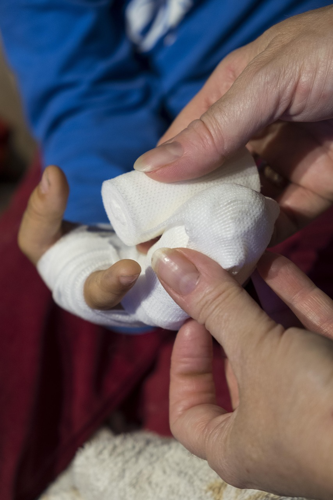
Serious physical trauma turns everyday life upside down in seconds. Healing rarely ends when hospital visits stop or surgical wounds heal up completely.
Extended recoveries require long-term adjustment and structured support systems. Navigating physical recovery demands clear information about personal rights, medical resources, and long-term care options.

The Invisible Burden of Chronic Pain
Physical discomfort often lingers long after external wounds finish closing completely. Seeking support from a San Antonio Personal Injury Lawyer helps injured individuals manage long-term financial strains associated with therapy. Experienced legal teams fight for full financial compensation as patients focus on healing.
Nerve damage creates burning sensations that standard pain relievers fail to treat. Constant discomfort ruins sleep quality and increases stress levels every single day. Restless nights leave individuals exhausted before their morning routines even begin.
Daily routines slow down when joints lose full range of motion. Small household chores turn into exhausting tasks that demand extra rest breaks. Pacing activity levels prevents severe flare-ups later in the afternoon.
Understanding Long-Term Brain Trauma
Head impacts cause hidden cognitive changes that strain work capabilities and social connections. Federal health data documented around 214,110 brain injury hospitalizations in 2024, along with 68,663 related deaths in 2025. Memory lapses create frustration during routine conversations with loved ones.
Sensitivity to bright light or sudden noises makes public spaces overwhelming. Concentration drops quickly during basic job tasks or computer work. These hidden symptoms make social interactions exhausting for recovering trauma survivors.
Cognitive recovery requires targeted adjustments to protect daily focus.
- Shortened working hours prevent extreme mental burnout.
- Digital reminder calendars reduce missed medication doses.
- Quiet spaces help rest sensitive nervous systems.
Managing Structural Joint and Bone Damage
Broken bones might knit back together, but surrounding soft tissues suffer permanent stiffness. Medical researchers found that 46% of trauma patients reported ongoing chronic pain years after initial treatment. Weather changes often trigger deep aches in previously fractured limbs.
Early-onset arthritis settles into damaged joint spaces much earlier than normal. Simple activities like climbing stairs require extra physical effort and patience. Long walks become challenging without supportive footwear and regular rest breaks.
Targeted physical therapy rebuilds lost muscle strength around fragile joints. Daily stretching routines preserve functional movement for future years. Regular gentle exercise keeps scar tissue flexible and reduces morning stiffness.
Emotional Distress and Trauma Support
Physical harm creates deep emotional ripples that disrupt sleep patterns and confidence. Flashbacks prevent drivers from comfortably getting back behind the wheel after motor vehicle collisions. Emotional trauma manifests as physical tension, keeping muscle groups tight and sore.
Anxiety elevates heart rates during ordinary daily interactions. Specialized counseling provides actionable coping tools for long-term recovery. Professional therapists guide patients through gradual exposure exercises to reduce panic triggers.
Support groups connect survivors with peers who understand shared daily struggles. Expressing feelings openly breaks isolation and builds personal resilience. Sharing personal milestones creates mutual encouragement among group members.
Mounting Costs of Ongoing Medical Care
Extensive treatment schedules create massive stacks of outstanding medical bills. Out-of-pocket expenses stack up quickly alongside recurring prescription charges. Long rehabilitation programs require ongoing specialist consultations and regular diagnostic scans.
Specialized equipment like wheelchairs or custom braces requires frequent costly upgrades. Insurance policies frequently dispute necessary continuous treatment plans. Out-of-network provider fees add unexpected stress to household budgets.
Tracking ongoing expenses preserves clear financial records during recovery.
- Folder systems keep physical prescription receipts organized.
- Spreadsheets track travel mileage to medical appointments.
- Itemized billing statements expose duplicate medical charges.
Adapting Your Home for Mobility Changes
Living spaces must adapt when physical movement becomes restricted after trauma. Installing bathroom grab bars prevents dangerous slips on wet tile surfaces. Non-slip matting adds immediate stability to shower stalls and tub entry points.
Ramps replace steep entry steps to accommodate wheelchair access. Widened doorways allow smooth navigation between bedrooms and hallways. Removing throw rugs eliminates trip hazards throughout main living zones.
Lowered kitchen counters make daily meal preparation manageable again. Smart home devices allow voice control over household lighting and thermostats. Accessible cabinetry puts daily items within easy reach without stretching or straining.
Navigating Workplace and Career Shifts
Reduced physical capabilities often force major career adjustments or job transitions. Desk workers require ergonomic seating to relieve persistent back strain. Sitting for extended hours without proper lumbar support aggravates spine injuries.
Heavy lifting requirements force manual laborers to seek retraining programs. Honest conversations with employers establish reasonable daily workplace accommodations. Clear communication allows management to understand physical limitations.
Part-time schedules allow bodies time to recover without total loss of income. Adaptive technology helps computer users maintain baseline work productivity. Voice-to-text software reduces typing strain for wrist and hand injuries.
Rebuilding Quality of Life and Routine
Accepting new physical limits creates room for new rewarding daily hobbies. Swimming offers low-impact exercise without adding strain to sensitive joints. Gentle water resistance strengthens muscles and keeps body weight off painful joints.
Pacing daily tasks prevents sudden fatigue crashes mid-afternoon. Celebrating small recovery milestones maintains long-term optimism during tough rehabilitation weeks. Structuring days around energy peaks improves productivity and mood.
Maintaining strong social bonds protects emotional wellness throughout recovery journeys. Friends and family members provide practical help when energy runs low. Staying connected prevents feelings of loneliness during extended home recovery periods.
Planning for Long-Term Medical Monitoring
Ongoing health complications require regular medical monitoring even after active rehabilitation ends. Follow-up appointments help doctors identify delayed problems before they become more serious. Routine evaluations also allow treatment plans to change as physical abilities and symptoms evolve.
Specialists may recommend periodic imaging, neurological testing, or mobility assessments depending on the original injury. Keeping detailed notes about new symptoms helps patients communicate changes accurately during appointments. Consistent monitoring also creates a clearer medical record of long-term recovery progress.
Preventive care becomes especially important when injuries increase the risk of arthritis, nerve problems, or reduced mobility. Maintaining scheduled examinations supports earlier intervention when new complications appear. Long-term medical planning gives injured individuals greater control over changing health needs.

Serious injuries can create health challenges that continue long after the initial emergency has passed. Chronic pain, mobility limitations, emotional distress, and financial pressure often become interconnected parts of daily recovery. Understanding these challenges makes long-term planning more manageable.
Effective recovery usually depends on coordinated medical care, rehabilitation, emotional support, and practical lifestyle adjustments. Workplace accommodations and accessible living spaces can also protect independence as physical needs change. Strong support systems make difficult periods easier to navigate.
Long-term recovery does not always mean returning to exactly the same routine that existed before an injury. Instead, individuals may need to develop new habits that protect their health while preserving meaningful activities and relationships. Careful planning can support greater stability, independence, and quality of life over time.


(0) comments
We welcome your comments
Log In
Post a comment as Guest
Keep it Clean. Please avoid obscene, vulgar, lewd, racist or sexually-oriented language.
PLEASE TURN OFF YOUR CAPS LOCK.
Don't Threaten. Threats of harming another person will not be tolerated.
Be Truthful. Don't knowingly lie about anyone or anything.
Be Nice. No racism, sexism or any sort of -ism that is degrading to another person.
Be Proactive. Use the 'Report' link on each comment to let us know of abusive posts.
Share with Us. We'd love to hear eyewitness accounts, the history behind an article.