
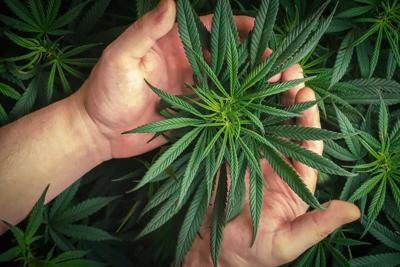

THCA flower has become a crowded category, with brands using terms like exotic, premium and top-shelf that are rarely standardized. The useful comparison is not which brand sounds most impressive. It is which brand shows you its paperwork, tells you how the plant was grown, and labels what is actually in the jar. Here is how to read those signals, followed by six brands that publish enough detail to compare fairly.
What to Look For Before You Buy
THCA is a cannabinoid found naturally in raw cannabis and hemp flower and is a precursor to THC. Applying heat can convert THCA into THC through a process called decarboxylation. That is one reason cannabinoid percentages should be read as chemical measurements rather than guarantees of how a product will affect an individual. For a THC-free option, TribeTokes makes CBD + CBN cbn gummies for sleep with CBD isolate, and they're melatonin-free.
Four things are worth checking first.
A current Certificate of Analysis. A COA is third-party lab documentation of what a batch contains. When available, look for batch-specific COAs that are easy to access and confirm that the report date and batch information match the product.
Clearly labeled cannabinoid content. You want the full cannabinoid breakdown, not a single headline percentage. A brand that publishes only its biggest number is telling you less than it appears to.
The terpene profile. Terpenes are the aromatic compounds that give each strain its character. A measured terpene panel published alongside cannabinoid results tells you more than a tasting note written by a copywriter.
Cultivation method. Indoor, greenhouse and sun-grown flower are grown under different conditions and tend to differ in appearance and price. That is a genuine point of comparison, but not a ranking. Indoor flower is not automatically better than greenhouse or sun-grown, and neither bud size nor cannabinoid percentage reliably predicts quality.
One general caveat: hemp regulation varies by state and continues to change, and some states restrict or prohibit these products outright. Check your own state and local rules before ordering.
1. VIIA Hemp
VIIA is a useful starting point because it provides information on both how its flower is grown and what its lab testing covers. The company describes its flower as grown in an indoor facility using sustainable, organic farming practices, and says its THCA products use American hemp cultivated by farmers in Oregon. On testing, it states that it partners with an accredited lab to analyze cannabinoid concentration and terpenes as well as pesticides, heavy metals and residual solvents, which is a broader panel than a potency-only report.
The range offered by VIIA Hemp is organized into Classic, Premium and Exotic tiers, in eighths and full ounces, with Premium Smalls also offered by the ounce as a smaller-bud format. Tangerine Dream, Purple Haze and Cereal Milk all sit in the current lineup. Strains are also labeled as indica, sativa or hybrid, giving shoppers another straightforward way to navigate the flower catalog. The brand's own positioning language leans on top-shelf THCA flower, which is worth reading as marketing rather than as an independent grade.
2. Secret Nature
Secret Nature has been growing hemp flower since 2017 and offers both indoor and climate-controlled greenhouse flower under one label, which makes it a practical place to compare the two without switching brands. The company says it grows using organic nutrients and living soil practices, without synthetic fertilizers or pesticides, and that every batch is tested for purity, balance and potency, with results published on a dedicated lab results page.
The strain catalog is deep and rotates, spanning familiar genetics such as Blue Dream and Cherry Kush alongside house selections, with smalls in the range as well. Having both indoor and greenhouse options under one brand can make it easier to compare how the company presents different cultivation methods.
3. Black Tie CBD
Black Tie provides particularly detailed information about growing conditions. Rather than a vague quality grade, it sorts flower into four defined production styles: a living-soil Exotic line with extended curing, indoor flower grown in coco coir under controlled conditions, light-deprivation greenhouse flower using a managed blend of sunlight and light cycles, and greenhouse flower grown under natural Pacific Northwest sun. It sources from vetted Oregon and California farms.
Every product is backed by a full-panel COA linked on the page, making batch information straightforward to check while comparing options. The catalog runs from full buds through minis, trim and concentrates.
4. Green Unicorn Farms
Green Unicorn Farms structures its flower into five clearly described levels, from trim through greenhouse top-shelf, indoor smalls and full indoor. The descriptions clearly explain what each tier represents: top-shelf is hand-selected greenhouse bud, indoor smalls are indoor-grown flower in a smaller bud size, and indoor is grown in climate-controlled rooms. Its indoor flower is grown in Colorado.
The company states that the flower it sells is lab-tested to verify its contents and maintains a lab results page. It also advises shoppers to verify third-party results for potency, contaminants and cannabinoid content, giving shoppers another point of reference when comparing products.
5. Frosty Hemp Co
Frosty Hemp Co works with craft growers and organizes its flower into Platinum, Gold and Silver tiers across indica, sativa and hybrid genetics, with smalls offered from the same stated genetics as the full-size buds. Options range from classics such as Northern Lights and Colombian Gold to sweeter hybrids like Strawberry Cough.
The company states that every batch is third-party tested for potency, purity and cannabinoid accuracy along with residual solvents, heavy metals and pesticides, and that current COA results are available on each product page. The company positions those reports as a way for shoppers to verify the product information presented on its site.
6. Bay Smokes
Bay Smokes offers several formats within the same catalog. Its flower sits alongside smalls, pre-rolls, concentrates and vape cartridges. The company describes its flower as organically grown and third-party lab tested, with COA links provided on individual products. As with the other brands here, use the available COAs and product details rather than marketing terminology as the basis for comparison.
The Practical Takeaway
What the brands above have in common is that they publish enough detail to compare. Open the COA before you add anything to a cart, confirm the report date and batch information match, read the full cannabinoid panel rather than the headline figure, and treat cultivation method and tier names as descriptions of how a product was made and marketed. None of these on its own establishes quality or safety. Taken together, they simply give you more to work with than a label adjective does. Effects vary considerably from person to person, and no growing method or figure on a label changes that. If a brand makes any of those checks difficult, that is useful information in itself.

(0) comments
We welcome your comments
Log In
Post a comment as Guest
Keep it Clean. Please avoid obscene, vulgar, lewd, racist or sexually-oriented language.
PLEASE TURN OFF YOUR CAPS LOCK.
Don't Threaten. Threats of harming another person will not be tolerated.
Be Truthful. Don't knowingly lie about anyone or anything.
Be Nice. No racism, sexism or any sort of -ism that is degrading to another person.
Be Proactive. Use the 'Report' link on each comment to let us know of abusive posts.
Share with Us. We'd love to hear eyewitness accounts, the history behind an article.