
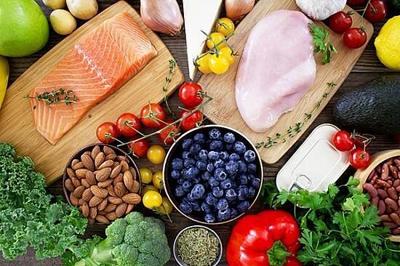

Inflammation is your immune system's natural way of defending against injury, infection, and irritation. Most of us have felt it firsthand—after a minor cut, a tough workout, or a seasonal cold—that familiar redness, warmth, and swelling that fade within a few days. But when inflammation lingers at a low, chronic level, it can quietly persist for months or even years, and researchers have connected this pattern to a number of long-term health concerns. That's why so many people turn to diet, movement, sleep, and stress management—and sometimes supplements—to help support a healthy inflammatory response. Some also explore evidence-based options such as Curamed for inflammation response, a curcumin-based product, as part of a broader conversation with their healthcare provider, keeping in mind that research in this space is still developing. This article isn't intended as medical advice; always check with a clinician before changing your health routine.
What Is Inflammation? A Plain-Language Primer
Acute inflammation comes and goes quickly and is usually a good sign—think of the swelling that follows a sprained ankle. Chronic inflammation works differently: it's a persistent, often unnoticed activation of the immune system that scientists have studied in relation to cardiovascular and metabolic conditions. To track these processes, researchers often rely on inflammatory markers such as C-reactive protein (CRP) and interleukin-6 (IL-6)—the same markers that show up repeatedly in curcumin research.
Everyday Drivers of Chronic Inflammation
Diet plays a major role here. Eating patterns heavy in ultra-processed foods, refined sugar, and excess saturated fat tend to correlate with higher inflammatory markers, while diets built around vegetables, fruits, whole grains, legumes, and healthy fats generally align with lower ones. Turmeric and its active compound, curcumin, have attracted scientific attention for their potential to influence inflammatory pathways, although results from human trials remain mixed.
Key takeaway: Overall dietary patterns matter more for inflammation than any single food or supplement ever could.
Diet isn't the whole story, though—physical activity, sleep, and stress all play a part as well. Regular, moderate exercise is associated with a healthier inflammatory profile, whereas poor sleep and ongoing stress tend to push markers in the opposite direction. Smoking and heavy alcohol use add to the burden of systemic inflammation too.
Evidence-Based Role of Curcumin in Inflammation
Curcumin, the primary polyphenol found in turmeric, has been studied for its potential to modulate inflammatory mediators like NF-κB and various cytokines—largely in laboratory and animal research so far. Some human trials show reductions in CRP and IL-6 alongside improvements in joint comfort, while others find no meaningful difference compared to placebo. Much of this inconsistency likely comes down to differences in dosage, formulation, and how well the body actually absorbs curcumin.
Where Supplements Fit: A Balanced Perspective
For some people, curcumin-based supplements are worth considering for joint comfort or exercise recovery, though formulations vary considerably in dosage and delivery method. Always talk with a qualified healthcare professional before adding any supplement, especially if you're on blood thinners, have gallbladder issues, or are pregnant. When choosing a product, look for one that clearly states its actual curcumin content and, ideally, has undergone third-party testing.
Building a Personal Plan
- Start small—work in one vegetable-rich meal or a daily walk.
- Make consistent sleep and stress-reduction habits a priority.
- Talk to your clinician about any supplement, curcumin included, before adding it to your routine.
Reflective Wrap-Up
Supporting a healthy inflammatory response is really a long-term practice built on everyday habits—not something a single supplement or quick fix can deliver. Pay attention to overall patterns, stay curious as the research continues to evolve, and lean on qualified professionals to help guide your choices along the way.

(0) comments
We welcome your comments
Log In
Post a comment as Guest
Keep it Clean. Please avoid obscene, vulgar, lewd, racist or sexually-oriented language.
PLEASE TURN OFF YOUR CAPS LOCK.
Don't Threaten. Threats of harming another person will not be tolerated.
Be Truthful. Don't knowingly lie about anyone or anything.
Be Nice. No racism, sexism or any sort of -ism that is degrading to another person.
Be Proactive. Use the 'Report' link on each comment to let us know of abusive posts.
Share with Us. We'd love to hear eyewitness accounts, the history behind an article.