
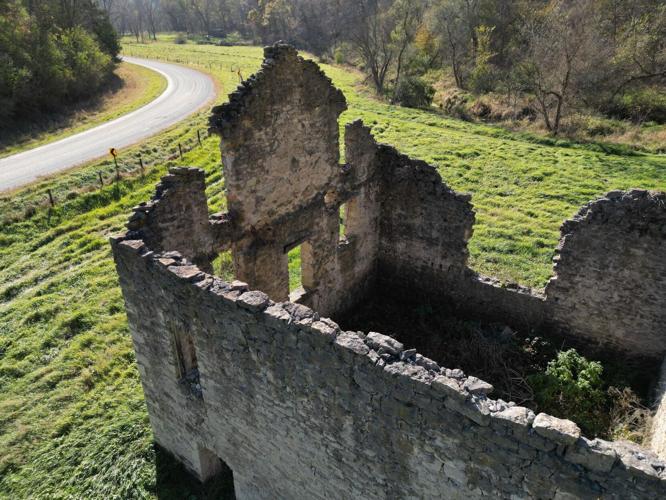
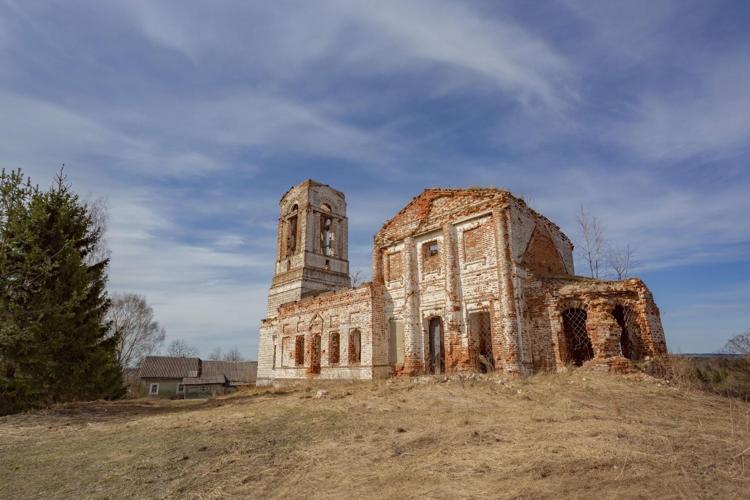
Across North America, thousands of abandoned locations sit quietly under open skies. Historic locations tell stories of forgotten dreams, sudden economic shifts, and early frontier life.
Road trips to regional historical ruins offer travelers a chance to step straight into the past. Every structure holds memories of the families and workers who built America during earlier centuries.

Echoes of the Old Frontier
Travelers who wander off the main highway often encounter surprising pieces of history. Exploring United States Ghost Towns reveals how fast a thriving mining settlement can fade into quiet ruins. Old wooden storefronts stand beside quiet dirt roads, offering a direct window into 19th-century boom years.
Settlers built many of the communities in remote regions during the late 1800s. People rushed to these areas after news of valuable mineral discoveries spread across the nation. Families constructed homes, markets, and schools within months to support growing populations.
Once local resources ran dry, residents packed their belongings and moved to new regions. Empty structures remained standing against rain and wind for over 100 years. Visiting old spots provides a real connection to early pioneer history.
Alpine Mining Communities
High-elevation boomtowns required immense grit from the miners who lived there. Heavy snowstorms and steep mountain paths made transport difficult throughout the winter months. Local workers relied on supply wagons to bring food and tools from distant supply centers.
A regional travel guide reported that high settlements set in scenic alpine valleys and golden forests depict life in the Wild West. Visitors today can still see sturdy log cabins standing along narrow ridge paths. Cold mountain air has preserved many wooden boards and rusted machinery.
Walking through high mountain settlements gives travelers a clear sense of isolation. Sunsets over empty peaks create striking views against weathered cabin walls. Historic preservation groups work hard to keep the high-altitude structures stable.
Forgotten Copper Hubs of the North
Farther north, cold climates created different challenges for industrial boomtowns. Industrial companies invested millions of dollars into northern processing plants and rail lines. Miners worked long shifts extracting valuable metals from deep underground veins.
A featured travel overview noted that Kennecott was established in the early 1900s within Alaska's Wrangell-St. Elias National Park as a booming copper center. Red mill buildings still rise above giant glaciers and quiet forests. Machinery sits intact inside giant multi-story processing factories.
Photographers travel across the country to capture the massive industrial complexes. Red paint peels from tall wooden towers. Alpine winds blow through broken windows. National park staff offer guided tours to keep visitors safe around historical machinery.
Desert Settlements and Silver Boomtowns
Arid southern regions contain dozens of dry settlements built around silver strikes. Intense desert heat created harsh living conditions for miners during summer months. Water had to be hauled in from distant wells or mountain streams at high prices.
A magazine feature explained that Superior began as a supply point for Pinal City, which retains only 1 or 2 original foundations, before converting into a mining settlement. Small trading hubs grew quickly near major mining claims across the region. When nearby mines shut down, supporting businesses faded away rapidly.
Desert air helps preserve structural timber far better than humid environments. Stone foundations remain visible along wide dirt streets where thousands once walked. Modern visitors can trace old street grids simply by following rock outlines in the dirt.
What Made Towns Disappear
Settlements rarely survived when their primary economic engine stopped running. A sudden drop in metal values could wipe out a local economy within weeks. Shifts in trade routes and railroad tracks diverted major traffic to neighboring areas.
- Depleted mineral veins caused instant job losses for local workers.
- Major fires destroyed entire business districts constructed from dry pine wood.
- Railroad rerouting isolated remote trading posts from regional commerce.
- Severe weather events ruined water lines and collapsed transportation bridges.
Bank failures during economic panics left business owners without capital. Store managers locked their front doors, leaving heavy items behind on dusty shelves. Entire street blocks sat vacant within 1 or 2 seasons.
Nature gradually reclaims land once human activity stops completely. Desert brush grows through floorboards. Heavy winter snows crush aging wooden roofs. Each passing decade changes the appearance of the historic ruins.
Preserving Wooden Structures and Ruins
Preservationists face major challenges when protecting historic sites from decay. Extreme weather cycles cause wooden beams to rot and stone walls to crumble. State historical societies use special treatments to stabilize remaining buildings without changing their original look.
Arson and vandalism pose ongoing risks to unprotected historic structures. Park rangers install solar security cameras and warning signs around sensitive heritage zones. Community volunteers donate time and tools to repair sagging porches and leaking roofs.
Federal agencies manage several historical parks under strict protection standards. Visitors must follow guidelines to keep the locations clean and safe for future generations. Taking photos is encouraged, but removing historic artifacts is strictly illegal.
Tips for Visiting Abandoned Locations
Planning a trip to remote historic sites requires careful preparation and research. Many abandoned settlements lie miles away from gas stations, cell service, and medical facilities. Travelers should prepare vehicles for rough gravel roads and loose dirt tracks.
- Carry extra water, basic food supplies, and first aid materials.
- Check local weather forecasts before driving into remote canyons or mountains.
- Wear sturdy boots to protect against rusty nails and uneven terrain.
- Download offline maps before entering regions without cellular reception.
Respecting private property lines keeps historic exploration safe and accessible. Some historic sites sit on private mining claims that require advance permission to enter. Staying on marked trails protects fragile ruins and natural desert vegetation.
Local visitor centers provide helpful travel maps and safety advice. Rangers often point out hidden historical features that casual tourists miss. Checking in with local authorities keeps trips safe into isolated wilderness zones.
Capturing History Through Photography
Photographers find rich subjects among empty historic streets and weathered buildings. Morning light casts long shadows across old wooden porches and rusted iron tools. Wide-angle lenses capture broad desert views and detailed historic textures.
Black and white photography highlights the textures of aged wood and stone. High-contrast images show deep shadows inside empty window frames and broken doorways. Photographers often document seasonal changes across the historical grounds.
Sharing photographs online helps raise public awareness for heritage preservation. Historic photos allow people who cannot travel to experience the unique American locations. Documenting the structures creates a lasting record before time wears them away completely.

Exploring historic sites provides a meaningful link to early American history. Every abandoned cabin and silent mine shaft tells a story about human courage and change.
Taking time to visit the sites helps keep regional heritage alive for future generations. Careful travel and respectful exploration protect the physical links to the past. Modern travelers continue to find wonder in the silent windows to another era.
(0) comments
We welcome your comments
Log In
Post a comment as Guest
Keep it Clean. Please avoid obscene, vulgar, lewd, racist or sexually-oriented language.
PLEASE TURN OFF YOUR CAPS LOCK.
Don't Threaten. Threats of harming another person will not be tolerated.
Be Truthful. Don't knowingly lie about anyone or anything.
Be Nice. No racism, sexism or any sort of -ism that is degrading to another person.
Be Proactive. Use the 'Report' link on each comment to let us know of abusive posts.
Share with Us. We'd love to hear eyewitness accounts, the history behind an article.