
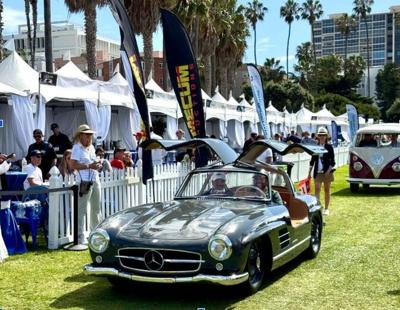
The Pacific shimmered just beyond the fairways, champagne flutes caught the California sun, and the unmistakable growl of vintage engines echoed through the salt air. The La Jolla Concours d'Elegance once again proved why it remains one of the most stylish automotive events in the country. But to call it simply a car show would miss the point entirely. The Concours exists at the intersection of craftsmanship, fashion, design, culture, and aspiration, where every polished chrome detail feels as intentional as a couture seam.
This year's event felt particularly cinematic. There was an energy woven throughout the lawn, a quiet understanding among attendees that they weren't simply admiring vehicles. They were experiencing rolling pieces of automotive history. From impeccably dressed collectors to younger enthusiasts discovering these icons for the first time, the weekend carried an atmosphere that felt both elevated and refreshingly approachable.
The beauty of the La Jolla Concours has always been its ability to merge luxury with storytelling. Every car on display holds decades of history within its curves, interiors, and engineering. Some represent innovation ahead of their time. Others symbolize eras of glamour, speed, rebellion, or post-war optimism. Together, they create an experience that feels less like a static exhibition and more like a walk through living chapters of design history.
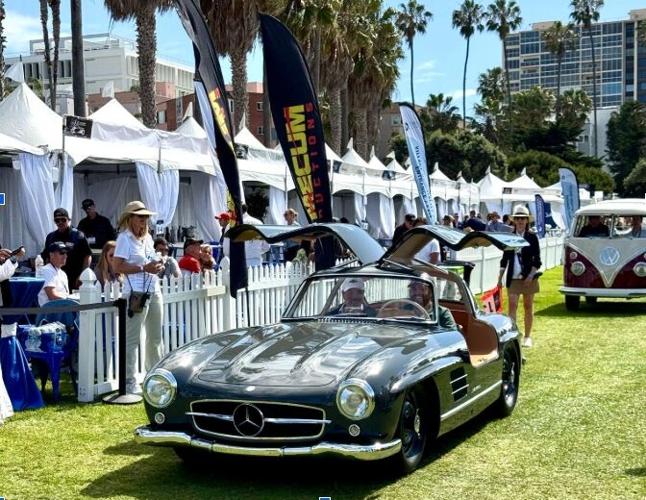
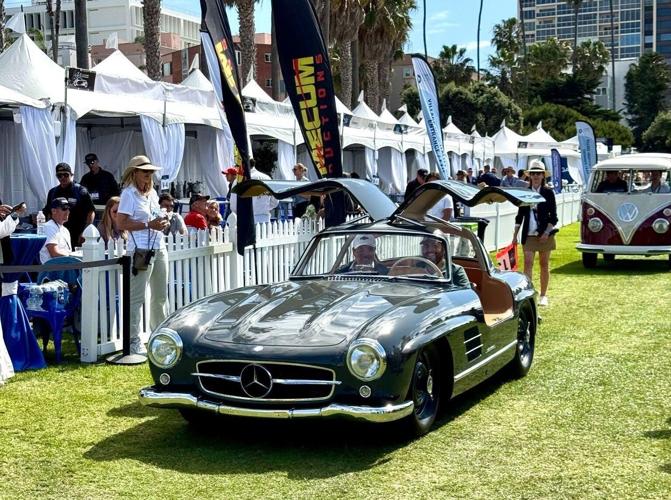
Best in Show
1937 Mercedes-Benz 540 Special

Among the many standout moments from the weekend, a few winners particularly captured the imagination.
The coveted Best in Show award was presented to the breathtaking 1937 Mercedes-Benz 540 Special. And truly, what else could it have been? The car carried the kind of commanding elegance that immediately drew a crowd. Long, sculptural lines flowed effortlessly into dramatic chrome detailing, while its presence evoked old Hollywood glamour mixed with European sophistication.
What made the Mercedes so captivating was not simply its rarity or restoration quality, but the emotion it created. It represented an era when automobiles were designed with theatricality and romance. Today's luxury vehicles often prioritize technology and efficiency, but the 540 Special reminded attendees that cars once aimed to inspire wonder. Every angle felt intentional. Every detail felt handcrafted. It wasn't transportation. It was rolling art.
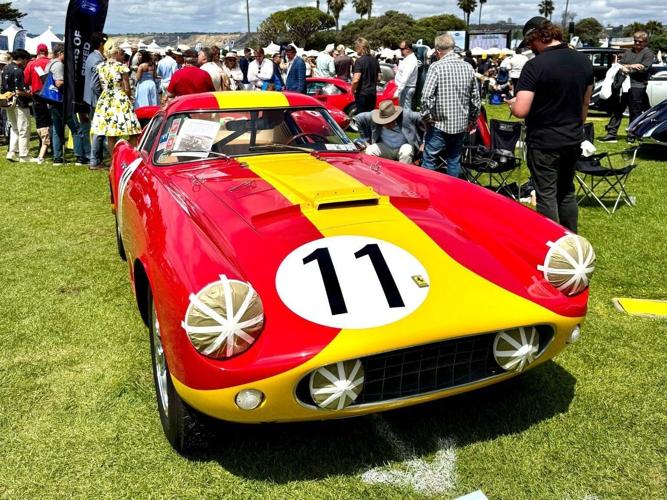
Icons of Speed
1959 Ferrari 250 LWB Competizione TDF

Equally unforgettable was the winner of the Icons of Speed category, the legendary 1959 Ferrari 250 LWB Competizione TDF. If the Mercedes represented elegance, the Ferrari embodied pure adrenaline. Even standing still, it looked impossibly fast.
The Ferrari's racing pedigree gave it an entirely different aura from many of the surrounding classics. Its lean proportions, aggressive stance, and purposeful curves reflected a machine engineered not merely for beauty, but for performance. Yet, like the best Italian designs, functionality transformed into artistry. The vehicle felt visceral and emotional, instantly transporting viewers to the golden age of European endurance racing.
Watching attendees circle the Ferrari, cameras in hand, it became clear that certain vehicles transcend generations. Younger guests who may not know every technical specification still understood instinctively that they were standing before something extraordinary. Great design always communicates beyond words.
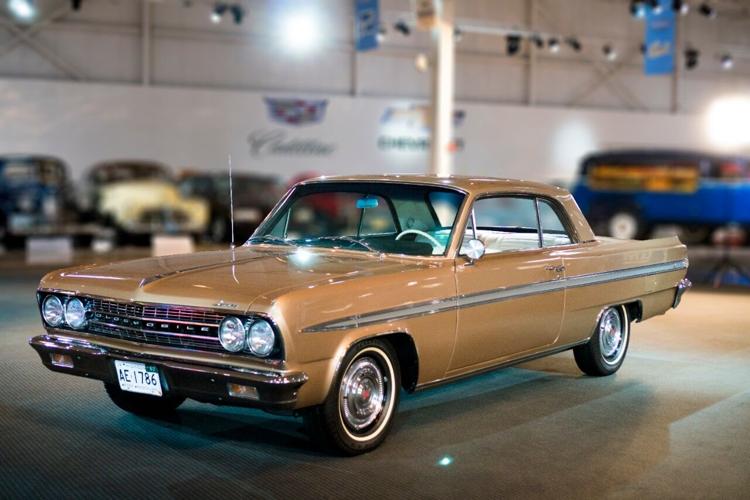
Turbocharged Innovation
1962 Oldsmobile F85 Jetfire

Another standout winner came from the Production Built Turbocharged category, where the 1962 Oldsmobile F85 Jetfire claimed top honors. Perhaps one of the most underrated stars of the event, the Jetfire served as a reminder that innovation often arrives before the world fully appreciates it.
The Jetfire was among the first turbocharged production cars ever introduced, a detail that feels particularly impressive when viewed through today's lens of performance engineering. While many attendees naturally gravitated toward the exotic European entries, the Oldsmobile possessed a uniquely American confidence. Its clean lines and understated styling reflected early-1960s optimism, while its engineering hinted at the future of automotive performance.
There is something endlessly rewarding about rediscovering overlooked icons. The Jetfire may not command the same recognition as Ferrari or Mercedes-Benz, but that is precisely what made it so compelling within the Concours landscape. It rewarded curiosity.
American Muscle at Its Finest
1969 Chevrolet Camaro Z28
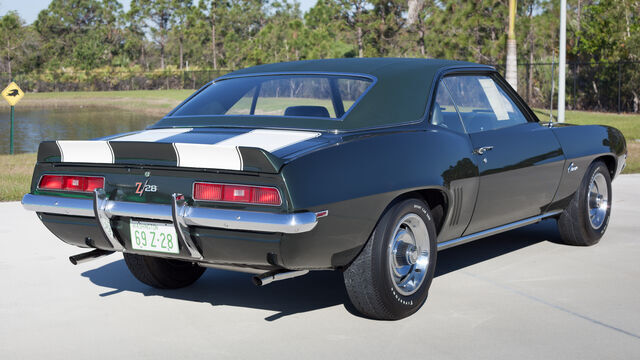
Then there was the undeniable crowd favorite within the American Muscle category, the 1969 Chevrolet Camaro Z28. Loud, unapologetic, and dripping with charisma, the Camaro represented a completely different side of automotive culture, one rooted in rebellion, power, and Americana.
Where the European classics leaned toward elegance and refinement, the Camaro radiated attitude. Its aggressive stance and unmistakable silhouette felt perfectly at home against the manicured La Jolla backdrop. Muscle cars have always carried an emotional connection because they symbolize freedom in its rawest form. The Z28 captured that spirit effortlessly.
More Than a Car Show
What continues to make the La Jolla Concours so special is its understanding that luxury is multidimensional. It is found in craftsmanship, preservation, storytelling, and passion. It lives in the owners who dedicate years to restoration, in the collectors who safeguard automotive history, and in the enthusiasts who gather to celebrate artistry in all its forms.
The event also reflects San Diego at its very best: sophisticated yet approachable, coastal yet cosmopolitan. There is an ease to the La Jolla Concours that separates it from many luxury events. Guests move effortlessly between conversations about horsepower, fashion, travel, design, and culture, all while surrounded by some of the most beautiful automobiles ever created.
As the afternoon light settled across the coastline and the final engines rumbled to life, one thing became clear. The La Jolla Concours d'Elegance is not simply about cars. It is about craftsmanship, heritage, and the enduring appeal of great design.
For one remarkable weekend each year, the lawn overlooking the Pacific becomes a celebration of everything that makes automotive culture timeless. And judging by the crowds, the collectors, and the next generation of enthusiasts already taking notice, that legacy is only getting stronger.


(0) comments
We welcome your comments
Log In
Post a comment as Guest
Keep it Clean. Please avoid obscene, vulgar, lewd, racist or sexually-oriented language.
PLEASE TURN OFF YOUR CAPS LOCK.
Don't Threaten. Threats of harming another person will not be tolerated.
Be Truthful. Don't knowingly lie about anyone or anything.
Be Nice. No racism, sexism or any sort of -ism that is degrading to another person.
Be Proactive. Use the 'Report' link on each comment to let us know of abusive posts.
Share with Us. We'd love to hear eyewitness accounts, the history behind an article.