
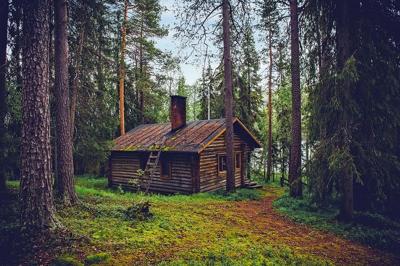

A fire-resistant home is not built from one miracle material. It is created through layers of smart decisions: the roof, vents, siding, windows, landscaping, decks, gutters, maintenance, and the space immediately around the house. That may sound less dramatic than promising a “fireproof home,” but it is also more accurate. No home is completely fireproof. A well-designed home can, however, be much harder for embers, flames, and heat to damage.
For homeowners in California, the West, and other wildfire-prone regions, fire-conscious design is no longer a niche concern. It is part of responsible ownership. The goal is not to make a home look like a concrete bunker or strip the property of every beautiful outdoor feature. The goal is to understand how homes ignite, then make better choices before the next fire season turns small vulnerabilities into expensive problems.
The strongest approach is a whole-property strategy. Fire-resistant materials help. So does defensible space. So does clearing gutters, protecting vents, choosing better landscaping, and paying attention to decks, fences, and outdoor furnishings. Wildfire safety is rarely glamorous, but neither is watching a dry pile of leaves in the gutter become the weakest point of an otherwise stunning home.
Start With the Home Ignition Zone
The most important concept in wildfire planning is the home ignition zone. This refers to the home itself and the area around it where embers, flames, and radiant heat can create ignition risk. The National Fire Protection Association recommends preparing homes by addressing roofs, gutters, vents, decks, landscaping, and nearby combustibles. In other words, the house and the yard have to work together.
Many homes are not lost because a wall of flame directly hits the structure. They are often threatened by windblown embers that land in dry leaves, open vents, wood piles, patio cushions, mulch, or debris collected along rooflines. That is why the first few feet around the home matter so much. A beautiful property can still be vulnerable if the areas closest to the house are filled with things that burn easily.
If you are planning a larger exterior project, our guide to what homeowners often prioritize when planning exterior upgrades offers a useful companion read for balancing safety, permits, durability, and design.
Choose a Fire-Rated Roof
The roof is one of the most important parts of a fire-resistant home because it has so much exposed surface area. Embers can land on shingles, settle into roof valleys, collect in gutters, or gather where debris has built up. A Class A fire-rated roof is generally the strongest option for wildfire-prone areas, and many modern roofing materials can achieve that rating without looking utilitarian.
Metal, clay tile, concrete tile, slate, and certain asphalt shingle systems can all be part of a stronger fire-resistant design when installed correctly. The key is not just the visible roof covering. Underlayment, edges, vents, valleys, gutters, and maintenance all matter. A high-performing roof with clogged gutters is like wearing a designer raincoat and leaving the hood at home.
Homeowners should also pay attention to roof repairs. Loose shingles, damaged flashing, open gaps, and aging materials can create weak points. For more detail on roof warning signs, read our guide on telltale signs your roof needs immediate repair.
Protect Vents, Eaves, and Openings
Vents are necessary for a healthy home, but they can also become entry points for windblown embers. Attic vents, crawl space vents, under-eave vents, and gable vents should be reviewed carefully in wildfire-prone areas. Ember-resistant vents or properly screened vents can reduce the chance of embers entering hidden spaces where they may smolder before anyone notices.
Eaves and soffits deserve the same attention. Open eaves, exposed rafters, gaps, and combustible materials can create places for heat and embers to gather. Enclosed eaves with ignition-resistant materials may provide better protection, especially when paired with good maintenance and a clear space around the home.
The CAL FIRE home hardening guidance highlights vents, roofs, eaves, windows, decks, and defensible space as important wildfire safety considerations. These are not glamorous details, but they are often the details that determine whether a home resists ember exposure or quietly invites it inside.
Use Exterior Materials That Resist Ignition
Siding, trim, decks, fences, and exterior details should be chosen with both style and performance in mind. Stucco, fiber cement, brick, stone, concrete, and properly rated exterior assemblies can offer better fire resistance than untreated wood or highly combustible finishes. This does not mean every home needs to look cold or industrial. Fire-conscious materials can be warm, textured, and architecturally beautiful.
The vulnerable places are often transitions: where a fence meets the house, where siding meets decking, where landscaping meets a wall, or where outdoor furniture sits close to glass doors. These small design moments can create ignition pathways. A wood fence attached directly to the house, for example, may look charming until it becomes a fuse. Using a noncombustible break where fences, gates, or walls meet the home is a smarter approach.
Think Carefully About Windows and Glass Doors
Windows are another important part of fire-resistant design. Heat can break glass, allowing embers and smoke to enter the home. Dual-pane or tempered glass may offer better performance than older single-pane windows, especially in areas exposed to radiant heat. Frames, seals, screens, and nearby landscaping also matter.
For homes with large glass doors, outdoor rooms, or expansive views, the surrounding design should be planned carefully. Keep combustible furniture, dry plants, wood storage, and loose cushions away from vulnerable openings. A wall of glass can be stunning, but it should not be paired with a pile of dry kindling pretending to be a decorative branch arrangement.
Create Defensible Space Without Making the Yard Bare
Defensible space does not mean removing every plant and turning the property into a gravel lot. It means designing the landscape so fire has fewer easy pathways to the home. The most important area is closest to the structure, where homeowners should limit combustible materials, dry debris, wood mulch, stacked firewood, and dense plantings.
A fire-conscious landscape can still look refined. Use stone, decomposed granite, pavers, gravel, masonry planters, low-growing plants, thoughtful irrigation, and spacing between plant groups. Keep trees trimmed away from the roofline and remove dead branches, dry grasses, and leaf buildup. The goal is to interrupt the path of fire rather than feed it.
The California Department of Forestry and Fire Protection explains defensible space requirements and vegetation management around homes. Local requirements may vary, so homeowners should also check city, county, HOA, and insurance standards before making major changes.
Make Decks and Outdoor Living Areas Safer
Decks, balconies, pergolas, patios, and outdoor kitchens are major parts of modern luxury living. They are also areas where debris, cushions, furniture, firewood, and planters can collect. If a deck is attached to the house, what happens on that deck matters to the house itself.
Choose ignition-resistant or noncombustible materials where possible, especially for decking, stairs, railings, and surfaces near the home. Keep leaves and debris from collecting between boards, under stairs, or around outdoor furniture. Store cushions, umbrellas, and covers during high-risk conditions. Outdoor style should not depend on leaving flammable fabric, dry leaves, and decorative branches gathered against the wall like they are waiting for an invitation.
If outdoor lighting is part of the property, it should be maintained as carefully as the landscaping. Damaged fixtures, exposed wiring, and neglected exterior systems can create their own problems. Our guide to outdoor lighting ideas that enhance family home living can help homeowners think about exterior spaces more intentionally.
Keep Gutters and Rooflines Clear
Maintenance is one of the least exciting parts of fire-resistant design, but it is also one of the most important. Leaves, pine needles, twigs, and other debris can collect in gutters, roof valleys, corners, and deck crevices. During wildfire conditions, that debris can catch embers and put the home at risk.
Homeowners should clean gutters regularly, especially before dry and windy seasons. Roof valleys, skylights, vents, and corners should also be checked. If the property has mature trees, this may need to happen more than once a year. A beautiful tree canopy can be a luxury. A gutter full of dry leaves is not.
Upgrade Smoke Alarms and Emergency Planning
Fire-resistant design should reduce risk, but it should never replace detection and planning. Smoke alarms, carbon monoxide alarms, escape routes, emergency supplies, and family communication plans all matter. Test alarms regularly and replace units according to manufacturer guidance.
The U.S. Fire Administration recommends working smoke alarms on every level of the home, inside bedrooms, and outside sleeping areas. In larger homes, interconnected alarms can be especially useful because when one alarm sounds, the others sound as well. For a broader home safety check, see our article on what home inspectors check for safety before you buy a house.
Check Insurance, Permits, and Local Rules
Before building, remodeling, or making major exterior upgrades, homeowners should understand local rules. Fire zones, building codes, defensible space requirements, roofing standards, and insurance expectations can affect material choices and project scope. What is optional in one community may be required in another.
Insurance deserves attention as well. Some carriers may ask about roof age, defensible space, home hardening, vegetation management, or proximity to wildfire risk areas. Keep records of upgrades, inspections, permits, materials, and maintenance. A beautiful home is easier to protect when the paperwork is not scattered across five drawers and one mystery folder labeled “house stuff.”
The Bottom Line on Fire-Resistant Home Design
A truly fire-resistant home is not about fear. It is about design intelligence. The strongest homes use fire-rated roofing, protected vents, ignition-resistant materials, safer landscaping, clear gutters, smart maintenance, reliable alarms, and defensible space that works with the architecture instead of fighting it.
No one can guarantee that a home will survive every fire. But homeowners can reduce risk by removing obvious fuel, closing ember entry points, choosing better materials, and maintaining the property with wildfire conditions in mind. Done well, fire-resistant design does not make a home less beautiful. It makes the beauty more durable.


(0) comments
We welcome your comments
Log In
Post a comment as Guest
Keep it Clean. Please avoid obscene, vulgar, lewd, racist or sexually-oriented language.
PLEASE TURN OFF YOUR CAPS LOCK.
Don't Threaten. Threats of harming another person will not be tolerated.
Be Truthful. Don't knowingly lie about anyone or anything.
Be Nice. No racism, sexism or any sort of -ism that is degrading to another person.
Be Proactive. Use the 'Report' link on each comment to let us know of abusive posts.
Share with Us. We'd love to hear eyewitness accounts, the history behind an article.