
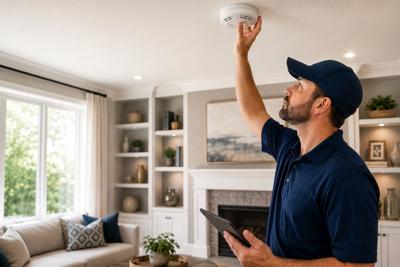
Buying a home has a way of making people temporarily lose their minds. Suddenly, a kitchen island feels like destiny, a pretty staircase seems romantic, and nobody wants to talk about what may be happening behind the walls. That is exactly why a home inspection matters.
A professional home inspection gives buyers a clearer look at the condition of a property before closing. It is not about judging the decor, the paint color, or whether the previous owner had an unfortunate relationship with beige tile. It is about understanding the systems that keep a home safe, functional, and financially manageable.
A good inspection does not guarantee that a home is perfect. According to the International Association of Certified Home Inspectors, a standard home inspection is a visual, non-invasive review of accessible areas and systems. In other words, an inspector is looking for visible defects and safety concerns, not opening every wall or predicting every future repair.
Still, that report can be one of the most useful documents a buyer receives. It can help identify hazards, prioritize repairs, support negotiations, and prevent expensive surprises after move-in day.
Smoke Detectors and Fire Safety
Smoke detectors are one of the most important safety checks in a home inspection, yet they are also one of the easiest features for buyers to overlook. A beautiful home with outdated, missing, or poorly placed smoke alarms is not as safe as it appears.
Inspectors typically check whether smoke alarms are present, accessible, and located where they are expected to be. The National Fire Protection Association recommends smoke alarms inside each bedroom, outside each sleeping area, and on every level of the home, including the basement. Larger homes, guest wings, finished attics, and detached living spaces may need additional alarms.
Age matters as much as placement. The U.S. Fire Administration recommends replacing the entire smoke alarm every 10 years. That applies even if the alarm still looks clean, still has a battery, or has never caused trouble. Smoke alarms do not last forever, and a home inspection is a smart time to check the manufacture date.
This is also where homeowners should think beyond the inspection itself. Once you move in, smoke alarms should be tested monthly. If one alarm sounds, everyone in the home needs to hear it, which is why interconnected alarms are worth discussing in larger or multi-level homes. Homeowners preparing for seasonal hosting should also reviewThe Holiday Home Safety Checklist for a Beautifully Prepared Home before the house gets busy.
Carbon Monoxide Alarms
Carbon monoxide is invisible, odorless, and easy to forget about until it becomes dangerous. Homes with gas appliances, fireplaces, attached garages, or fuel-burning heating systems should have appropriate carbon monoxide alarms.
An inspector may note whether carbon monoxide alarms are present and where they are located, but buyers should still review local requirements. Rules vary by state and municipality, especially for rental homes, resale properties, and newly constructed homes. If the property has an older furnace, gas water heater, fireplace, or attached garage, this section of the inspection deserves close attention.
Electrical Systems
Electrical problems are not always dramatic. They can look like flickering lights, warm outlets, overloaded panels, missing covers, or extension cords doing the work of permanent wiring. During a home inspection, the electrical system is one of the areas buyers should read carefully.
An inspector may review the electrical panel, visible wiring, outlets, switches, grounding, and obvious safety concerns. Older homes may have outdated panels, ungrounded outlets, or wiring that no longer fits the way modern households use power. That matters even more in homes with home offices, EV chargers, luxury appliances, pools, spas, outdoor kitchens, and smart-home systems.
Not every electrical issue is a deal breaker, but it should be understood before closing. Some repairs are simple. Others require a licensed electrician and a larger budget.
Heating and Cooling Systems
HVAC systems affect comfort, safety, energy use, and resale value. A home can look polished during a showing and still have a tired air conditioner, aging furnace, poor ventilation, or neglected ductwork.
During the inspection, buyers should look for notes about system age, visible condition, airflow, thermostat operation, combustion concerns, and signs of poor maintenance. If the home has a fireplace, gas furnace, or fuel-burning equipment, the inspection should also be read alongside carbon monoxide safety.
In warmer climates, cooling performance matters just as much as heating. A weak HVAC system may not reveal itself during a mild showing, but it can become very obvious during the first heat wave. This is a natural internal link opportunity for your HVAC and home maintenance articles.
Plumbing and Water Damage
Plumbing issues are some of the most expensive problems to discover after moving in. A home inspection may review visible pipes, drains, toilets, sinks, water heaters, water pressure, and signs of leaks.
Buyers should pay close attention to stains, soft flooring, musty smells, slow drains, corrosion, old water heaters, and evidence of previous water damage. A freshly painted wall can hide a lot, but moisture usually leaves clues somewhere.
Water damage can also connect to roofing, grading, gutters, irrigation, bathrooms, kitchens, laundry rooms, and foundations. That is why plumbing should never be viewed as a single isolated section of the report. Water has a talent for traveling, and it rarely cares about your remodeling budget.
Roofing and Gutters
The roof is one of the biggest-ticket items in a home inspection. Inspectors may look at visible roof materials, flashing, drainage, gutters, chimneys, skylights, and signs of leaks or deterioration.
A roof does not need to be brand new to be acceptable, but buyers should understand its approximate age, condition, and likely repair timeline. Missing shingles, cracked tiles, poor drainage, clogged gutters, damaged flashing, and water stains inside the home can all point to future costs.
Luxury homes can add another layer of complexity. Solar panels, roof decks, skylights, specialty materials, and complicated rooflines may require more detailed review. If the inspection raises concerns, a roofing contractor may be needed before final negotiations.
Foundation and Structural Concerns
Structural issues can sound intimidating, but the inspection report should help separate ordinary settling from more serious concerns. Inspectors may look at visible foundation areas, crawl spaces, floors, walls, ceilings, doors, windows, stairs, decks, and other structural components.
Cracks, sloping floors, sticking doors, moisture in crawl spaces, damaged supports, or poorly built additions may need further evaluation. Not every crack is a crisis, but buyers should not ignore repeated signs that the home is shifting, sagging, or carrying weight poorly.
For older homes, remodeled homes, and properties with additions, this section deserves careful reading. A gorgeous renovation is less impressive if the work underneath was rushed, unpermitted, or structurally questionable.
Appliances and Built In Systems
Home inspectors may check the basic operation of built-in appliances and systems, depending on the scope of the inspection. That can include ovens, dishwashers, garbage disposals, garage doors, sprinkler systems, and other visible components.
This does not mean the inspector is giving every appliance a long-term warranty. It means they are checking whether the item appears to operate at the time of the inspection. Buyers should still ask for ages, manuals, service records, and warranty information when available.
Smart-home systems deserve extra attention. Security systems, smart thermostats, smart locks, cameras, lighting systems, leak sensors, and smart smoke detectors may require account transfers, resets, or compatibility checks after closing. A home can be full of technology and still leave the new owner locked out of the useful parts if the handoff is sloppy.
Exterior Safety and Drainage
The outside of the home can reveal problems that are easy to miss during a quick showing. Inspectors may review siding, grading, walkways, decks, balconies, railings, driveways, exterior outlets, drainage, and signs of wood damage.
Buyers should look for trip hazards, loose railings, poor drainage, cracked hardscape, damaged exterior stairs, and water moving toward the house instead of away from it. Outdoor living spaces are a major selling point, especially in luxury homes, but they also need to be safe and properly maintained.
Pools, spas, outdoor kitchens, fire pits, and landscape lighting may require separate specialists depending on the property. If those features are a major part of the home’s value, they should not be treated as afterthoughts.
What Buyers Should Do After the Inspection
Once the inspection report arrives, do not panic over every note. Inspection reports are supposed to list issues. Even well-maintained homes usually have a few repairs, adjustments, or maintenance items.
The smart move is to separate the findings into categories: safety issues, major repairs, maintenance items, and cosmetic concerns. Smoke detectors, carbon monoxide alarms, electrical hazards, active leaks, structural concerns, and unsafe stairs or railings should rise to the top. Paint colors and cabinet hardware can wait.
If the report mentions serious issues, ask for clarification, repair estimates, or specialist evaluations before closing. A home inspection is not just a formality. It is a decision-making tool, and buyers should use it that way.
The Bottom Line
A home inspection helps buyers see the house more clearly, beyond the staging, the lighting, and the emotional pull of a beautiful space. It can reveal whether the home is safe, well maintained, and ready for everyday life.
Smoke detectors, carbon monoxide alarms, electrical systems, HVAC, plumbing, roofing, structure, and exterior safety all deserve attention before closing. The goal is not to find a flawless house. The goal is to understand the house you are buying before it becomes your responsibility.
A stylish home is wonderful. A safe, functional, well-inspected home is better. Ideally, you get both.


(0) comments
We welcome your comments
Log In
Post a comment as Guest
Keep it Clean. Please avoid obscene, vulgar, lewd, racist or sexually-oriented language.
PLEASE TURN OFF YOUR CAPS LOCK.
Don't Threaten. Threats of harming another person will not be tolerated.
Be Truthful. Don't knowingly lie about anyone or anything.
Be Nice. No racism, sexism or any sort of -ism that is degrading to another person.
Be Proactive. Use the 'Report' link on each comment to let us know of abusive posts.
Share with Us. We'd love to hear eyewitness accounts, the history behind an article.