
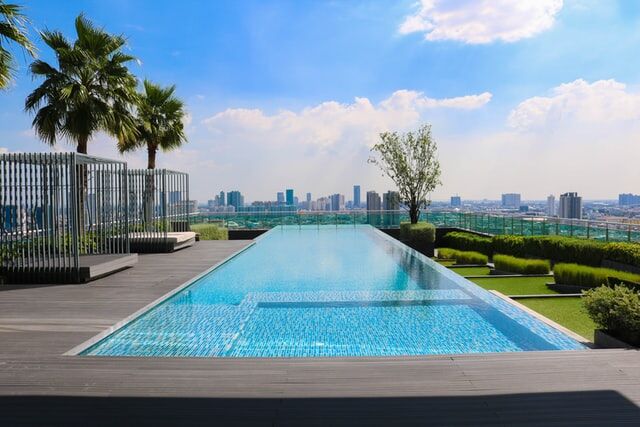
A sparkling pool gets most of the attention, but the area around the pool is what makes the whole backyard feel finished. The deck, lounge chairs, towels, planters, umbrellas, lighting, drains, storage, and even the way the skimmer net is casually abandoned in the corner all contribute to the mood. A pool can be clear and still feel messy if the surrounding space looks like summer had a small argument with itself.
Learning how to keep your pool area clean is not only about appearances. A polished pool area is safer, easier to maintain, better for entertaining, and more enjoyable every day. The right routine helps protect outdoor surfaces, reduce debris in the water, keep furniture looking fresh, and make the backyard feel ready for guests without requiring a full production every time someone comes over.
Start With The Pool Deck
The pool deck takes a beating. It handles wet feet, sunscreen, dropped snacks, leaves, dirt, patio furniture, pets, weather, and the occasional guest who treats outdoor dining like a competitive sport. Regular sweeping or blowing helps keep dirt and debris from being tracked into the pool.
For stone, concrete, tile, pavers, or other hardscape materials, gentle cleaning matters. Harsh cleaners may damage finishes or run into planted areas. The right method depends on the surface, but the goal is the same: remove debris, reduce slippery buildup, and keep the deck looking intentional rather than neglected.
Pay Attention To Coping And The Waterline
Coping frames the pool, and when it looks dirty, stained, cracked, or neglected, the whole pool area feels less polished. Sunscreen, body oils, minerals, leaves, and outdoor grime tend to collect near the waterline and along pool edges. These small details are easy to overlook until they suddenly become the only thing anyone can see.
Use gentle brushes and appropriate cleaners for the pool’s material, especially around natural stone, glass tile, grout, or decorative finishes. The waterline is one of those places where small, regular attention saves a much more annoying deep-clean later.
Keep Furniture Clean And Properly Placed
Outdoor furniture can make a pool area feel resort-worthy, but only when it is clean, dry, and arranged with a little thought. Wipe down lounge chairs, tables, cushions, and umbrellas regularly to remove dust, pollen, sunscreen residue, bird activity, and whatever mysterious film outdoor furniture seems to attract overnight.
Furniture placement also matters. Leave enough space for people to walk safely around the pool without squeezing between chairs and the water. A gorgeous chaise lounge loses some of its charm when it becomes an obstacle course. Clean furniture should also be positioned so wet towels, drinks, and sunscreen have logical places to land.
Create A Better Towel System
Nothing makes a pool area look messy faster than towels everywhere. Towels on chairs, towels on the ground, towels half-drying on a fence, towels that may or may not belong to anyone anymore. A simple towel system instantly makes the space feel more pulled together.
Use a covered basket for clean towels and a separate hamper or bin for wet ones. Hooks, outdoor towel racks, or a small storage cabinet can also help. The goal is to make the tidy choice the easiest choice. Guests are much more likely to behave beautifully when the backyard gives them gentle instructions without actually using words.
Store Pool Toys And Floats Before They Take Over
Pool toys, floats, goggles, noodles, balls, and inflatable loungers are fun until they start multiplying across the deck. A dedicated storage area keeps them from cluttering the space, blowing into landscaping, or becoming tripping hazards.
Mesh bins, outdoor storage benches, hooks, deck boxes, and vertical racks can all help. The best storage lets items dry before being put away, especially goggles, floats, and anything that traps moisture. A clean pool area does not have to be joyless. It just needs the pool toys to stop staging a takeover.
Manage Leaves Before They Reach The Water
Leaves and flowers are beautiful on trees and deeply annoying in a pool. Regularly clearing leaves from the deck, planters, and corners helps keep debris from blowing into the water. This also makes skimming, filtration, and brushing easier.
Landscaping should support the pool, not sabotage it. Trim plants that drop heavily into the water, clean up fallen leaves before windy days, and avoid placing messy planters too close to the edge. The right plants can make a pool area feel lush and elegant. The wrong maintenance routine can make it feel like the pool is losing a battle with a ficus.
Keep Drains Clear And Watch Water Flow
Drainage is one of the least glamorous parts of a pool area, which is exactly why it is easy to ignore. Pool decks and patios should move water away from the home, seating areas, and high-traffic surfaces. Leaves, dirt, mulch, and debris can clog drains or slow water movement, creating puddles and slippery areas.
The Environmental Protection Agency notes that stormwater runoff flows over impervious surfaces and can pick up pollutants such as dirt, chemicals, and trash before entering waterways. Around a pool area, keeping drains clear and outdoor surfaces clean helps reduce debris movement and protects the backyard from unnecessary water problems.
Use Lighting To Make The Space Easier To Maintain
Good lighting does more than make the pool look beautiful at night. It also helps homeowners see leaves, wet spots, clutter, loose furniture, uneven surfaces, and areas that need attention. A well-lit pool area is easier to use and easier to maintain.
This connects naturally with thoughtful pool lighting ideas. Path lights, step lights, soft landscape lighting, and lighting around outdoor seating areas can make the backyard safer and more inviting after sunset.
Make Safety Part Of The Cleanup Routine
A clean pool area should also be a safer pool area. As you tidy the space, check for slippery buildup, loose tiles, unstable furniture, blocked pathways, open gates, damaged covers, poor visibility, or items left too close to the water. Small hazards are easier to fix before guests arrive than after someone has already discovered them barefoot.
The U.S. Consumer Product Safety Commission has emphasized layers of protection around pools, including barriers and supervision, as part of drowning prevention. Keeping the pool area clear and organized is not a replacement for those safety layers, but it supports a more controlled, easier-to-navigate backyard.
Keep Food And Drinks From Becoming A Maintenance Problem
Poolside dining sounds glamorous until crackers, fruit, melted popsicles, cocktail garnishes, and sauce packets begin migrating toward the water. Food debris can attract pests, stain surfaces, and make the pool area look messy quickly.
Use trays, covered bins, outdoor-safe trash containers, and designated dining areas to keep food where it belongs. After guests leave, do a quick sweep for napkins, cups, bottle caps, and anything sticky. The faster the cleanup happens, the less likely the backyard is to look like it hosted a snack-based weather event.
Rinse Before Swimming When Possible
A quick rinse before swimming can help reduce sweat, sunscreen, oils, dirt, and other contaminants entering the pool. The CDC recommends showering before getting into the water and keeping pool disinfectant and pH at proper levels to help reduce swimming-related illness risk.
For a private backyard, this does not have to feel like a public pool rule board. An outdoor shower, foot rinse station, or simple towel-and-rinse setup can make the habit feel easy and elegant. Less dirt and residue in the water means the pool area stays fresher and the water has less to fight.
Keep Storage Attractive And Practical
Storage is one of the hidden secrets to a polished pool area. If every item has a place, the space is easier to clean and easier to enjoy. If nothing has a place, the pool deck becomes a museum of abandoned sunscreen, goggles, towels, and half-inflated float dreams.
Outdoor cabinets, storage benches, wall hooks, baskets, weather-resistant bins, and small caddies can all help. Store chemicals separately and safely, keep cleaning tools organized, and avoid leaving long poles or nets where people walk. For the tools themselves, a guide to essential pool maintenance tools can help homeowners decide what deserves a permanent spot.
Watch For Wet Spots And Surface Changes
While cleaning the pool area, pay attention to wet spots that do not dry, shifting pavers, cracked coping, soft soil, loose tile, or unexplained dampness around the equipment pad. These can sometimes point to drainage issues, irrigation problems, or possible leaks.
If the water level also seems to be dropping, it may be worth reviewing common pool leak problems. A clean pool area makes these signs easier to notice because clutter and grime are not hiding the clues.
Do A Quick Reset After Every Swim Day
The easiest way to keep your pool area clean is to do a short reset after each swim day. Put away towels, return toys to storage, empty trash, stack or straighten furniture, skim visible debris, check for spills, and make sure gates or covers are secured as needed.
This does not need to become a full cleaning ritual. Ten thoughtful minutes can keep the backyard from sliding into chaos. It also means the next swim day starts with a space that already feels inviting instead of one that begins with chores.
Schedule A Deeper Seasonal Cleaning
Even with regular upkeep, pool areas benefit from seasonal deep cleaning. This may include washing furniture covers, cleaning umbrellas, checking outdoor cushions, clearing drains, inspecting lighting, washing hardscape, trimming landscaping, cleaning storage bins, and reviewing the condition of pool tools.
Seasonal cleaning is also a good time to check the broader pool routine. Water testing, filter care, brushing, vacuuming, and chemical balance all work together with the outdoor space. These pool maintenance tips can help keep the water itself in better shape while the surrounding area stays guest-ready.
Know When To Bring In Help
Some pool areas are simple to maintain. Others have large patios, stone surfaces, mature landscaping, outdoor kitchens, fire features, cabanas, fountains, and enough furniture to host a small hotel. If the backyard is large or heavily used, professional help may make sense.
A landscape crew can help with plant debris, irrigation, drainage, and outdoor surfaces. A pool technician can help with water care and equipment checks. A trusted swimming pool service company can also help prevent small maintenance issues from becoming larger problems.
The Bottom Line On Keeping Your Pool Area Clean
To keep your pool area clean, think beyond the water. Sweep the deck, care for coping and tile, organize towels, store toys, trim messy landscaping, clear drains, manage food and drinks, improve lighting, and reset the space after swim days. These small habits make the entire backyard feel more polished and easier to enjoy.
A beautiful pool area is not just about clear water. It is about the full outdoor experience: where people sit, walk, swim, eat, dry off, and linger after sunset. When the space around the pool feels clean, organized, and guest-ready, the pool becomes what it was always meant to be: the easiest yes in the house.

(0) comments
We welcome your comments
Log In
Post a comment as Guest
Keep it Clean. Please avoid obscene, vulgar, lewd, racist or sexually-oriented language.
PLEASE TURN OFF YOUR CAPS LOCK.
Don't Threaten. Threats of harming another person will not be tolerated.
Be Truthful. Don't knowingly lie about anyone or anything.
Be Nice. No racism, sexism or any sort of -ism that is degrading to another person.
Be Proactive. Use the 'Report' link on each comment to let us know of abusive posts.
Share with Us. We'd love to hear eyewitness accounts, the history behind an article.