
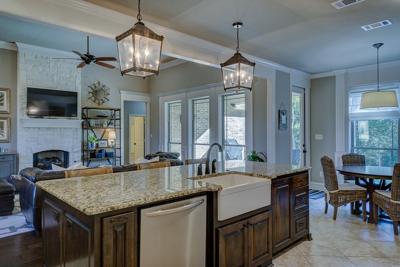

A kitchen remodel has a way of sounding simple before it begins. New cabinets, better counters, fresh lighting, a beautiful backsplash, perhaps an appliance upgrade or two. Then suddenly someone is discussing electrical plans, cabinet clearances, plumbing locations, drawer inserts, and whether the coffee maker deserves its own dedicated zone, which frankly, it might.
The best kitchen remodeling ideas are not only about making the room prettier. They are about making the kitchen easier to use every day. A successful remodel should improve how you cook, clean, gather, store, move, and live in the space. The marble can be lovely, but if the trash drawer is in the wrong place, the kitchen will remind you daily.
For homeowners refurbishing an older kitchen, the smartest approach is to begin with function, then layer in beauty. Better layout, lighting, storage, durable surfaces, efficient appliances, and thoughtful finishes can make the kitchen feel more polished without turning the project into a design opera with invoices.
Start With How the Kitchen Really Works
Before choosing tile, counters, hardware, or cabinet colors, study how the kitchen functions now. Where does clutter gather? Which cabinet is impossible to reach? Is the sink too far from the prep area? Are people bumping into one another at dinner time? Does the lighting help, or does it make chopping vegetables feel vaguely risky?
A kitchen remodel should solve the problems that annoy you every day. If groceries pile up because there is no landing space, add counter space near the refrigerator or pantry. If pots are stored across the room from the cooktop, rethink cabinet zones. If the island blocks traffic, the footprint may need editing before anything new is ordered.
For readers building a larger home-improvement plan, FINE’s guide to simple home upgrades that add everyday value connects well here because the best upgrades are the ones that make daily life easier, not just the ones that photograph nicely.
Think in Kitchen Zones
Many older kitchens were designed around the classic work triangle between the sink, refrigerator, and stove. That idea still has value, but modern kitchens often need more specific zones. A busy household may need a prep zone, cooking zone, cleanup zone, coffee zone, lunch-packing zone, baking zone, and drop zone for all the things that should not live on the counter but somehow do.
Creating zones makes the kitchen more intuitive. Knives, cutting boards, mixing bowls, and oils should live near the prep space. Dishes and flatware should be near the dishwasher or dining area. Trash and recycling should be near the sink or main work surface. Coffee mugs should be near the coffee maker, unless you enjoy starting every morning with a cabinet scavenger hunt.
Prioritize Storage That Matches Real Life
Storage is where many kitchen remodels either succeed beautifully or quietly betray everyone. More cabinets do not automatically mean better storage. The right storage depends on what the household owns and how the kitchen is used.
Deep drawers can be more useful than lower cabinets for pots, pans, lids, and everyday dishes. Pullout shelves can make pantry items easier to see. Vertical dividers can organize cutting boards and baking sheets. Narrow pullouts can hold spices, oils, or cleaning supplies. Appliance garages can hide small appliances while keeping them accessible.
The goal is not to make the kitchen look empty. The goal is to give everything a sensible place so the counters are not doing the work of ten missing drawers.
Use Lighting Like a Design Tool
Lighting can completely change a kitchen. It affects safety, mood, color, texture, and how expensive the finishes appear. A kitchen that relies on one overhead fixture is rarely doing itself any favors.
A strong lighting plan includes ambient lighting for general brightness, task lighting for counters and cooking areas, and accent lighting for shelves, glass cabinets, or architectural details. Under-cabinet lighting is especially useful because it brightens the work surface where people actually chop, prep, read recipes, and wonder why dinner has so many steps.
The U.S. Department of Energy notes that LED lighting is a highly efficient lighting technology, and residential LEDs use significantly less energy and last longer than incandescent lighting. For a deeper design look, FINE’s article on how smart fixtures elevate home interiors is a useful companion to any kitchen lighting plan.
Choose Appliances Around Habits, Not Hype
Appliances should match the way you actually cook. A serious home cook may value a powerful range, double ovens, or a larger refrigerator. A busy family may care more about a quiet dishwasher, flexible freezer space, and a microwave drawer that keeps counters clear. A household that orders in more than it admits may not need a professional-style range that looks ready for a restaurant service.
Energy efficiency also matters. ENERGY STAR explains that certified products meet strict energy-efficiency specifications set by the U.S. Environmental Protection Agency and are designed to help save energy and money. When comparing appliances, look beyond the price tag and consider operating costs, noise level, size, features, warranty, and how the appliance fits into the overall kitchen plan.
Plan for Ventilation Before It Becomes a Problem
Ventilation is not the glamorous part of a kitchen remodel, but it is one of the most important. Cooking produces heat, moisture, odors, and airborne particles. Without good ventilation, even a beautiful kitchen can smell like last night’s dinner far longer than anyone invited it to.
A properly sized range hood or ventilation system helps remove cooking byproducts and improve comfort. The right choice depends on the cooking surface, layout, ducting options, and local code requirements. Ventilation should be planned early because it may affect cabinetry, electrical work, ductwork, and the final look of the range wall.
Select Countertops for Beauty and Maintenance
Countertops need to work hard. They handle prep, spills, heat, groceries, homework, keys, and the occasional emotional support coffee. The best choice depends on lifestyle as much as appearance.
Quartz, granite, marble, soapstone, porcelain, butcher block, stainless steel, and solid surface materials all have different strengths and maintenance needs. Marble is beautiful but can etch and stain. Quartz is durable and low-maintenance but varies by manufacturer and finish. Butcher block brings warmth but needs care. Porcelain can be sleek and resilient, though fabrication and edge details matter.
Ask how the surface handles stains, heat, scratches, seams, repairs, and daily cleaning. A countertop should not require the household to live in fear of lemons, red wine, or one guest with a cast-iron pan.
Choose Flooring That Can Handle the Room
Kitchen flooring has to survive moisture, dropped utensils, spills, crumbs, pets, foot traffic, and the quiet violence of someone dragging a chair. It also has to be comfortable enough for standing and attractive enough to connect with the rest of the home.
Porcelain tile, engineered wood, luxury vinyl, natural stone, and certain laminates can all work depending on the kitchen. Consider durability, slip resistance, cleanability, water resistance, comfort underfoot, and how the floor transitions into nearby rooms.
If flooring is part of a larger design refresh, FINE’s article on what rugs contribute to style and texture in modern interiors can help homeowners think about how flooring layers affect comfort, acoustics, and visual warmth in connected spaces.
Do Not Let the Backsplash Become an Afterthought
A backsplash can quietly finish a kitchen or make it look overly busy. It should connect the cabinets, counters, hardware, and wall color rather than fight for attention. Tile scale, grout color, sheen, pattern, and installation height all matter.
Classic subway tile, handmade zellige-style tile, marble slabs, porcelain, stone, glass, and ceramic patterns can all work beautifully when chosen with restraint. If the counters are dramatic, the backsplash may need to be calmer. If the cabinets and counters are simple, the backsplash can carry more personality.
Use Hardware and Fixtures to Set the Tone
Hardware, faucets, and fixtures are small compared with cabinets and counters, but they strongly influence the finished look. Polished nickel feels classic. Aged brass adds warmth. Matte black can sharpen the room. Chrome is practical and clean. Bronze can feel rich and traditional.
Try not to choose finishes in isolation. Hardware should relate to lighting, faucet finish, appliances, and nearby rooms. Not everything has to match perfectly, but the choices should feel intentional. A kitchen with five metal finishes can be beautiful. A kitchen with five accidental metal finishes can look like every contractor brought a souvenir.
Think About Paint and Indoor Air Quality
Paint, finishes, adhesives, cabinetry, and certain building products can affect indoor air quality, especially during and after renovation. The U.S. Environmental Protection Agency notes that some household products, including paints and solvents, can emit volatile organic compounds, and that concentrations of many VOCs can be higher indoors than outdoors.
That does not mean homeowners need to panic over every finish. It does mean product selection, ventilation, and installation timing deserve attention. Low-VOC paint, proper ventilation, and a realistic plan for curing time can help make the renovation more comfortable.
Know Where to Spend and Where to Save
Not every kitchen upgrade deserves the same budget. Spend on the things that affect function, durability, safety, and daily use: layout, cabinetry, counters, lighting, appliances, ventilation, and installation quality. Save on the pieces that can be changed more easily later, such as decorative hardware, bar stools, accessories, paint color, and some styling elements.
This is where the broader FINE approach to luxury living for less with special offers fits naturally. A kitchen can feel elevated without full-price everything when choices are made with patience, timing, and a clear sense of what matters most.
Prepare for the Unromantic Details
A kitchen remodel involves more than finishes. Permits, electrical work, plumbing, gas lines, inspections, lead times, demolition, dust control, temporary cooking arrangements, and delivery scheduling all matter. These details are not exciting, but ignoring them is how projects become expensive group therapy.
Ask contractors about timeline, scope, change orders, access, cleanup, insurance, licensing, warranties, and who is responsible for ordering materials. Confirm measurements before ordering cabinets or appliances. Keep written records. Build in a contingency budget, because walls enjoy keeping secrets.
Kitchen Remodeling Checklist
- Identify the daily problems the remodel needs to solve.
- Create zones for prep, cooking, cleaning, storage, and coffee or breakfast routines.
- Prioritize drawers, pullouts, and storage that match real habits.
- Use layered lighting, including task lighting at counters.
- Choose appliances based on lifestyle, size, noise, and efficiency.
- Plan ventilation early.
- Select countertops based on maintenance and durability, not just looks.
- Choose flooring that handles moisture, traffic, and cleaning.
- Coordinate backsplash, hardware, fixtures, and paint.
- Confirm permits, contractor details, timeline, and contingency budget.
The Bottom Line on Kitchen Remodeling Ideas
The best kitchen remodeling ideas are the ones that make daily life easier. A beautiful kitchen should also be practical, comfortable, well lit, durable, and organized around the way the household actually lives.
Start with function, then layer in finishes. Fix the layout, improve the lighting, plan storage carefully, choose surfaces that can handle real life, and spend where quality matters most. When a kitchen works well, beauty becomes more than a design choice. It becomes part of the daily routine.
(0) comments
We welcome your comments
Log In
Post a comment as Guest
Keep it Clean. Please avoid obscene, vulgar, lewd, racist or sexually-oriented language.
PLEASE TURN OFF YOUR CAPS LOCK.
Don't Threaten. Threats of harming another person will not be tolerated.
Be Truthful. Don't knowingly lie about anyone or anything.
Be Nice. No racism, sexism or any sort of -ism that is degrading to another person.
Be Proactive. Use the 'Report' link on each comment to let us know of abusive posts.
Share with Us. We'd love to hear eyewitness accounts, the history behind an article.