
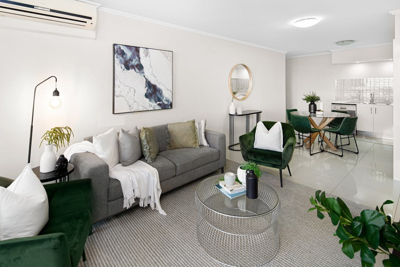

Modern buyers don’t walk into a home with unlimited patience. They scroll, compare, shortlist, and judge quickly. Sometimes too quickly. A living room with the wrong sofa, a cold bedroom, or a dining area that feels squeezed into the wrong corner can make a good property feel forgettable.
That may sound harsh, but it’s true. Buyers are not only looking at square footage, floor plans, and finishes. They’re asking themselves a quieter question: “Can this feel like my life?”
Styling helps answer that question before doubt has time to settle in. It gives rooms purpose. It softens empty spaces. It turns awkward corners into reading nooks, breakfast spots, or work-from-home zones. Good styling doesn’t hide the property. It helps people understand it.
Empty Rooms Can Feel Smaller, Not Bigger
There’s a common belief that an empty room gives buyers a better sense of space. Sometimes it does. More often, it leaves them guessing.
Without furniture, buyers have to imagine scale. Will a king bed fit? Is there room for a sofa and armchair? Could the dining table seat six? Some people can picture it. Many can’t. They’ll stand in the middle of the room, nod politely, then leave without forming an emotional connection.
Styled rooms solve that problem. A well-placed rug, the right bed size, balanced lighting, and simple artwork can make a room feel complete without making it feel crowded. The buyer doesn’t need to work as hard.
That matters. Buying property already comes with enough mental math.
Styling Creates a Lifestyle, Not Just a Look
A styled home should never feel like a furniture showroom. Too perfect. Too stiff. No one wants to feel like they’ll ruin the room by putting down a coffee cup.
The strongest styling feels lived-in, but polished. A throw folded casually over a sofa. Fresh greenery on the kitchen bench. Linen bedding that looks crisp but not precious. These details suggest comfort, not performance.
This is where professional presentation can help, especially for sellers who feel unsure about what to keep, remove, or replace. In competitive markets, furnishing and styling packages can give homeowners a clear way to present each room with intention, rather than relying on mismatched pieces collected over years. The goal is not to erase personality completely. It’s to create enough warmth and clarity for buyers to picture their own.
Photography Has Changed the Game
Most buyers meet a home online before they ever step through the door. That first impression happens on a phone screen, often between emails, errands, or late-night browsing.
Photos have to work hard.
A room that feels pleasant in person can look flat online if it lacks contrast, texture, or visual anchors. A blank wall becomes a dead zone. A small bedroom looks even smaller. A kitchen without styling can feel cold, no matter how beautiful the stone benchtop is.
Styled homes photograph better because the eye has somewhere to go. Cushions add softness. Lamps create mood. Artwork gives height. Dining settings suggest hospitality. It’s subtle, but buyers notice. They may not say, “What a well-composed image.” They’ll just click.
And that click matters.
Modern Buyers Want Function and Feeling
Today’s buyers are practical, but they still respond to emotion. They care about storage, location, maintenance, energy efficiency, and price. Of course they do. But they also remember how a home made them feel.
A spare bedroom styled as a home office can speak to hybrid workers. A balcony with two chairs and a small table can turn a narrow outdoor area into a morning coffee spot. A second living area can become a media room, a children’s retreat, or a quiet lounge.
The trick is to show possibilities without overexplaining them. No one needs a sign that says “relax here.” Please don’t. The styling should do the talking.
Location Shapes the Styling Story
A home should feel connected to where it is. A city apartment might call for clean lines, sculptural lighting, and clever storage. A coastal home may need pale timber, breezy textiles, and an easy indoor-outdoor rhythm. A grand family residence can handle richer layers, larger furniture, and stronger art.
Lifestyle cues matter because buyers are not just choosing walls and a roof. They’re choosing the version of themselves they hope to live there.
This is easy to see in sought-after holiday destinations. In Queensland’s Sunshine Coast, for example, the appeal of luxury Noosa accommodation often comes from the way interiors frame relaxation, privacy, and proximity to the beach without feeling overdone. Residential styling can learn from that same instinct. The best spaces don’t shout “luxury.” They make ease feel expensive.
Small Details Can Shift Perceived Value
Styling won’t fix a poor floor plan or disguise major repairs. It shouldn’t try. Buyers are sharper than that, and bad cover-ups leave a sour taste.
What styling can do is lift perceived quality. It can make a home feel cared for. Fresh bedding, clean surfaces, warm lighting, and considered furniture placement suggest attention. That feeling spreads. If the living room feels calm and the bedroom feels restful, buyers often assume the home has been looked after.
Small things count. Matching bedside lamps. Towels that don’t look like they survived a decade of laundry battles. A dining table that fits the room instead of swallowing it whole. None of this is complicated, but it changes the mood.
Styling Helps Buyers Remember the Property
After a long inspection day, homes can blur together. The one with the nice kitchen. The one near the park. The one with the weird hallway. Memory gets messy.
Styled homes create clearer mental snapshots. The sunny breakfast corner. The calm main bedroom. The elegant living room with the fireplace. These moments help a property stand out after the buyer has seen five or six others.
That doesn’t mean every room needs a dramatic feature. Sometimes restraint works better. A home should have rhythm, not noise. Let the best architectural features lead, then style around them.
The Best Styling Feels Effortless
Great styling looks simple, which is why people underestimate it. But every choice carries weight. Scale. Color. Texture. Flow. Negative space. The distance between a sofa and coffee table. The height of artwork. The way a hallway pulls the eye toward a brighter room.
When these choices work together, buyers feel comfortable without knowing why.
That’s the quiet power of styling. It doesn’t beg for attention. It guides attention. It helps buyers understand space, imagine lifestyle, and remember the home for the right reasons. For modern buyers moving quickly through crowded property markets, that can make all the difference.
(0) comments
We welcome your comments
Log In
Post a comment as Guest
Keep it Clean. Please avoid obscene, vulgar, lewd, racist or sexually-oriented language.
PLEASE TURN OFF YOUR CAPS LOCK.
Don't Threaten. Threats of harming another person will not be tolerated.
Be Truthful. Don't knowingly lie about anyone or anything.
Be Nice. No racism, sexism or any sort of -ism that is degrading to another person.
Be Proactive. Use the 'Report' link on each comment to let us know of abusive posts.
Share with Us. We'd love to hear eyewitness accounts, the history behind an article.