
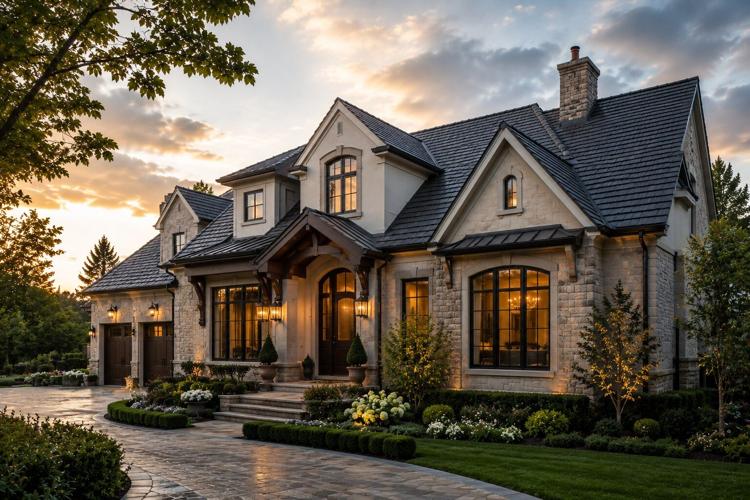

How to Make Your Roof Last Longer and Avoid Expensive Repairs
A roof is one of those home features everyone depends on and almost no one wants to think about until something goes wrong. It sits up there quietly doing its job through sun, wind, rain, heat, coastal air, falling branches, clogged gutters, and the occasional mystery noise that makes everyone in the house look up at the ceiling with concern.
The problem is that roofs rarely fail politely. A small leak becomes a stained ceiling. A loose shingle becomes water intrusion. A clogged gutter becomes fascia damage. A neglected flashing issue becomes the reason a perfectly nice weekend now includes buckets, towels, and a roofer with a very full schedule.
The good news is that you do not have to become a roofing expert to make your roof last longer. You do, however, need to understand what actually protects a roof, what weakens it, and when it is time to call a professional instead of pretending a YouTube video and optimism are a complete repair plan.
For homeowners, roof care is not just about avoiding leaks. It is about protecting the structure of the home, preserving curb appeal, reducing avoidable repair costs, and keeping the house ready for the next season of weather. According to the Insurance Institute for Business & Home Safety, roof-related damage is a major factor in insured residential catastrophic losses, which makes roof maintenance more than a cosmetic chore. It is part of protecting the whole home.
Quick Answer: How Do You Make a Roof Last Longer?
The best way to make your roof last longer is to inspect it regularly, keep gutters clean, remove debris, trim overhanging branches, watch for leaks or ceiling stains, maintain flashing around vents and chimneys, improve attic ventilation, and fix small problems before water has a chance to move in and redecorate without permission.
Most homeowners should schedule a roof inspection at least once a year and after major storms. Roofs in coastal, wildfire-prone, high-wind, or heavily wooded areas may need more frequent attention. A roof does not need constant fussing, but it does need regular attention before a small issue becomes a large invoice.
Start With a Real Roof Inspection
The easiest way to make your roof last longer is to stop waiting until there is an obvious problem. A roof inspection should happen at least once a year, and it should also happen after major weather events, strong wind, hail, heavy rain, or falling debris.
Most homeowners can do a basic visual inspection from the ground. Look for missing shingles, curled edges, cracked tiles, sagging areas, loose flashing, dark streaks, debris buildup, rusted metal, or anything that simply looks different from the rest of the roof. Binoculars can help. Climbing onto the roof without the proper safety equipment does not help, unless the goal is to turn a home repair article into an urgent care visit.
Inside the home, check the attic if it is safely accessible. Look for damp insulation, water staining, daylight coming through the roof boards, musty smells, or signs of pests. On ceilings and upper walls, watch for brown stains, bubbling paint, soft drywall, or unexplained discoloration. A roof leak does not always announce itself with dripping water. Sometimes it starts as a quiet little stain that politely ruins your afternoon later.
A professional inspection is especially important for older roofs, homes with previous storm damage, tile roofs, flat or low-slope roofs, and properties in areas with wildfire, wind, hail, or heavy rain exposure. A licensed roofer can assess flashing, underlayment, ventilation, drainage, roof penetrations, and structural concerns that a homeowner may miss from the driveway.
Roof Maintenance Checklist for Homeowners
If you only remember one thing, remember this: roofs age faster when water, debris, heat, poor airflow, and small damage are ignored. A simple seasonal checklist can help homeowners catch problems early and make your roof last longer without turning roof care into a second career.
- Inspect the roof from the ground for missing shingles, cracked tiles, sagging areas, rust, lifted flashing, or uneven rooflines.
- Clean gutters and downspouts so water moves away from the roof, siding, and foundation.
- Trim branches that scrape the roof, drop debris, or hang too close to the house.
- Remove leaves and buildup from roof valleys, behind chimneys, and near skylights.
- Check the attic for moisture, musty smells, daylight, damp insulation, or water stains.
- Look at ceilings and upper walls for brown stains, bubbling paint, soft drywall, or new discoloration.
- Watch for moss, algae, and dark streaks and use roof-safe cleaning methods instead of harsh pressure washing.
- Schedule a professional inspection if the roof is older, storm-damaged, steep, tile, flat, or difficult to access safely.
Clean Gutters Before They Punish the Roof
Gutters do not get enough credit. They are not glamorous. No one has ever walked into a dinner party and said, “You must come see the downspouts.” Still, gutters are one of the most important parts of roof protection.
When gutters clog, water has nowhere useful to go. It can back up under the roof edge, soak fascia boards, spill against siding, damage landscaping, or pool around the foundation. In colder climates, clogged gutters can contribute to ice dams. In warmer climates, they can trap leaves, mud, grit, and moisture against parts of the roof that were never meant to behave like a planter box.
To make your roof last longer, clean gutters at least twice a year, usually in spring and fall. Homes near trees may need more frequent attention. After storms, check downspouts to make sure water is moving away from the house. If water is pouring over the sides of the gutter, something is blocked, sagging, or improperly pitched.
Gutter guards can help reduce debris, but they are not a magical forever solution. They still need inspection and occasional cleaning. Think of them as helpful assistants, not staff who can be left unsupervised for five years.
Pay Attention to Flashing, Vents, Chimneys, and Skylights
Many roof leaks do not begin in the middle of the roof. They begin where the roof is interrupted. Chimneys, skylights, vents, dormers, valleys, satellite mounts, solar penetrations, and plumbing stacks are all places where water would very much like to find an opening.
Flashing is the metal or waterproof material used to direct water away from these vulnerable areas. When flashing loosens, rusts, cracks, lifts, or separates from the surrounding roof material, water can sneak in even if the shingles or tiles look fine.
Homeowners should look for gaps, lifted edges, missing sealant, rust, cracked caulking, or stains around roof penetrations. From inside the attic, stains near vents or chimneys can point to flashing issues. These are repairs best handled by a professional because a bad patch can trap moisture or create a bigger leak path.
If your home has skylights, check the area around them regularly. A skylight can be beautiful, but when it fails, it has a theatrical flair. The drama is rarely worth ignoring early warning signs.
Remove Debris and Trim Overhanging Branches
Leaves, branches, pine needles, palm fronds, and other debris can hold moisture against the roof surface. Over time, that moisture may encourage algae, moss, rot, or deterioration, depending on the roof material and climate.
Tree branches that hang over the roof can also scrape roofing materials during wind, drop debris into gutters, and break during storms. In wildfire-prone regions, overhanging vegetation can add another layer of risk. Keeping branches trimmed back helps protect the roof surface and improves airflow around the home.
For homeowners trying to make your roof last longer, this is one of the simplest maintenance habits. Keep the roof clear, keep gutters open, and do not let the house slowly become one with the nearest tree.
If debris is heavy or the roof is steep, fragile, tile, wet, or difficult to access, hire a professional. Tile roofs in particular can crack under foot traffic, and a well-intentioned cleanup can become an expensive lesson in where not to step.
Watch for Moss, Algae, and Dark Streaks
Dark streaks on a roof are often caused by algae. Moss is more serious because it can hold moisture and lift roofing materials as it grows. Both issues are more common in shaded, damp areas, especially where trees block sunlight and airflow.
Cleaning the roof can help, but this is not the place for aggressive pressure washing. High-pressure washing can damage shingles, loosen granules, crack tiles, and shorten the roof’s life. Use manufacturer-approved cleaning methods or hire a professional who understands the roof material.
If moss or algae keeps returning, the roof may need better sunlight exposure, improved drainage, trimmed vegetation, or zinc or copper strips, depending on the material and climate. The solution should match the roof, not just the mess.
Improve Attic Ventilation and Insulation
A roof is not only affected by what happens outside. What happens underneath the roof matters too. Poor attic ventilation can trap heat and moisture, which may shorten the life of roofing materials and contribute to mold, condensation, and higher energy use.
In hot climates, a poorly ventilated attic can become brutally hot, baking the roof from below. In cooler climates, warm indoor air that escapes into the attic can contribute to condensation and roof deck problems. Either way, the attic should not feel like a forgotten weather experiment.
Proper ventilation usually includes intake vents and exhaust vents that work together. Insulation should be adequate, evenly installed, and not blocking airflow at the eaves. If the attic smells musty, feels unusually humid, or shows signs of condensation, it is time to have the system evaluated.
The U.S. Department of Energy provides homeowner guidance on insulation and air sealing, both of which play a role in how efficiently a home handles heat and moisture. For roofing performance, insulation and ventilation should be considered together, not as separate afterthoughts.
Strengthen the Roof Before Severe Weather
Roof reinforcement is not only about adding more material. It is about making sure the roof system is attached, sealed, drained, and detailed correctly for the weather it may face.
In areas exposed to high winds, hail, hurricanes, tornadoes, or severe storms, homeowners may want to explore stronger roofing methods when repairing or replacing a roof. The FORTIFIED Home program, developed by IBHS, focuses on voluntary construction and re-roofing standards designed to strengthen homes against severe weather, including high winds and hail.
Depending on the home, roof upgrades may include improved roof deck attachment, sealed roof decks, stronger roof-to-wall connections, impact-resistant shingles, better flashing details, upgraded underlayment, and improved edge protection. These are not casual weekend upgrades. They should be discussed with a qualified roofing contractor, structural professional, or local building official.
The Building America Solution Center also notes that retrofitting existing roofs for hurricane, high-wind, and seismic resistance often involves structural knowledge, permits, and inspection. In other words, this is where confidence should take a step back and qualified professionals should take over.
Choose the Right Roofing Material for the Home
When it is time to replace a roof, material choice matters. Asphalt shingles, metal roofing, tile, slate, wood shake, synthetic roofing, and flat-roof systems all have different strengths, costs, lifespans, maintenance needs, and climate considerations.
Asphalt shingles are common because they are relatively affordable and widely available. Metal roofing can offer durability, fire resistance, and strong performance in certain climates. Tile roofing is beautiful and long-lasting but heavy, so the structure must be able to support it. Flat and low-slope roofs require special drainage and membrane systems. Wood shake may look charming, but it can be more complicated in fire-prone or insurance-sensitive areas.
The best roofing material is not always the most expensive one. It is the one that suits the home’s architecture, local weather, fire exposure, maintenance expectations, budget, and insurance realities.
Homeowners should ask contractors about expected lifespan, warranty coverage, ventilation requirements, fire rating, wind rating, impact resistance, maintenance needs, and whether the material is appropriate for the home’s slope. A roof is too expensive to choose based on a pretty sample board and a hopeful feeling.
Roof Repair or Roof Replacement: How to Know the Difference
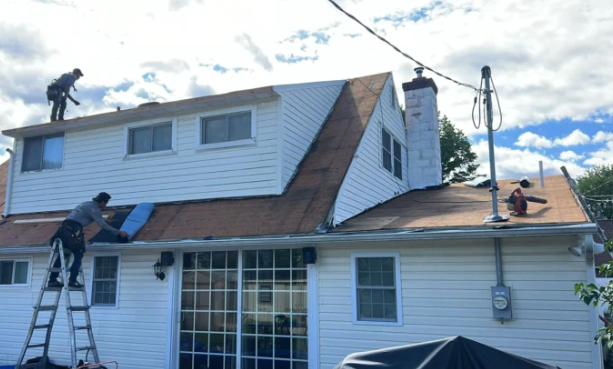
One of the most common homeowner questions is whether a roof needs a repair or a full replacement. The honest answer is that it depends on the age of the roof, the type of material, the extent of the damage, and whether the same problems keep returning.
A repair may be enough when the damage is limited to one area, the roof is still within its expected lifespan, and the structure underneath is sound. A few missing shingles, a small flashing issue, or one isolated leak may be repairable when handled quickly.
A replacement may make more sense when the roof has widespread wear, repeated leaks, soft decking, major storm damage, sagging areas, extensive granule loss, curling shingles, cracked tiles across multiple sections, or a history of repairs that never seem to solve the real problem.
Homeowners should also consider timing. If the roof is close to the end of its expected life, spending money on repeated repairs can become the home improvement version of buying expensive shoes for a car with no engine. Technically possible, but not always wise.
Know When Repair Is No Longer Enough
Repairing a roof can be the smart move when the damage is isolated, the roof is relatively young, and the underlying structure is sound. Replacing a few shingles, correcting flashing, sealing a small leak, or repairing storm damage can extend the life of the roof when done properly.
But there comes a point when repeated repairs stop being practical. If the roof is near the end of its expected lifespan, leaks keep returning, shingles are widely curling or missing, granules are collecting in gutters, decking feels soft, or multiple areas are failing at once, replacement may be the more responsible choice.
A roof that is technically still present is not always a roof that is doing its job. There is a difference between “not leaking today” and “protecting the house.” Homeowners should be honest about that distinction, even when the replacement estimate inspires a quiet moment of staring into the distance.
Ask Better Questions Before Hiring a Roofer
A good roofing contractor should be able to explain what is wrong, what needs to be repaired, what can wait, and what should not wait. Vague answers are not reassuring. Neither is a quote that seems dramatically cheaper than everyone else’s without a clear explanation.
Before hiring a roofer, ask whether the company is licensed and insured, whether permits are required, what materials will be used, what warranty applies, how ventilation will be handled, how flashing will be replaced or repaired, how the property will be protected, and how cleanup will be managed.
For larger projects, get more than one estimate. The goal is not to find the cheapest number. The goal is to understand the scope of work and avoid paying for a roof that looks finished from the street but hides shortcuts under the surface.
If you are already comparing roofing projects, FINE’s guide to what a roofing contractor actually does is a helpful next read before signing a contract.
Make Roof Care a Seasonal Habit
The homeowners who make your roof last longer are usually not the ones doing dramatic repairs every few years. They are the ones who build roof care into regular home maintenance.
In spring, check for damage from winter storms, heavy rain, or wind. Clean gutters, look for loose materials, and inspect flashing. In summer, check attic ventilation, trim branches, and look for heat-related wear. In fall, clear leaves and prepare drainage before heavier weather arrives. In winter, watch for leaks, ice problems, fallen branches, and ceiling stains.
For homes in coastal areas, pay extra attention to metal components, corrosion, flashing, and salt-air exposure. For homes in wildfire areas, keep debris off the roof and out of gutters. For homes in storm-prone regions, inspect before and after severe weather seasons. The best roof care is specific to the house, not copied from a checklist written for a completely different climate.
Roof Maintenance FAQs
How often should a roof be inspected?
Most homeowners should inspect their roof at least once a year and after major storms. Homes near trees, coastal air, wildfire zones, heavy rain, hail, or high wind may need more frequent inspections.
What is the easiest way to make a roof last longer?
The easiest way to make your roof last longer is to keep gutters clean, remove debris, trim overhanging branches, check flashing, improve attic ventilation, and fix small leaks before they spread.
Can clogged gutters damage a roof?
Yes. Clogged gutters can force water to back up under the roof edge, damage fascia boards, spill against siding, and contribute to moisture problems around the home.
Is pressure washing a roof a good idea?
Usually, no. High-pressure washing can damage shingles, loosen granules, crack tiles, and shorten the life of the roof. Use roof-safe cleaning methods or hire a professional who understands the specific roofing material.
What are warning signs that a roof needs repair?
Common warning signs include missing shingles, cracked tiles, ceiling stains, sagging areas, rusted flashing, granules in gutters, moss growth, musty attic smells, or water stains around vents, chimneys, and skylights.
The Bottom Line on Making a Roof Last Longer
A stronger roof begins with attention. Inspect it regularly. Keep gutters clear. Trim trees. Watch flashing and roof penetrations. Deal with moss and algae correctly. Improve attic ventilation. Choose materials wisely. Bring in professionals when the job moves beyond basic maintenance.
Most roof problems are easier and less expensive when caught early. That does not make roof maintenance thrilling, but it does make it valuable. A roof protects the rooms you love, the furniture you carefully chose, the kitchen you finally finished, and the bedroom ceiling you would prefer not to see dripping at midnight.
To make your roof last longer, treat it like the major home system it is. Give it regular attention, use qualified help when needed, and do not wait for water to enter the conversation.


(0) comments
We welcome your comments
Log In
Post a comment as Guest
Keep it Clean. Please avoid obscene, vulgar, lewd, racist or sexually-oriented language.
PLEASE TURN OFF YOUR CAPS LOCK.
Don't Threaten. Threats of harming another person will not be tolerated.
Be Truthful. Don't knowingly lie about anyone or anything.
Be Nice. No racism, sexism or any sort of -ism that is degrading to another person.
Be Proactive. Use the 'Report' link on each comment to let us know of abusive posts.
Share with Us. We'd love to hear eyewitness accounts, the history behind an article.