
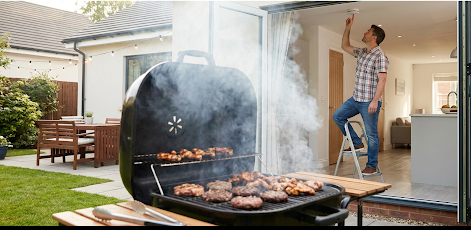
They never chirp at 3 p.m.
Smoke alarms prefer drama. They wait until 3 a.m., when the hallway feels longer than usual, the house is completely asleep, and no one can tell which little white circle on the ceiling has decided to ruin the night.
Chirp.
Silence.
Chirp.
Someone stands under one alarm, convinced it is the guilty one. Someone else insists the sound is coming from the kitchen. The dog is concerned. The battery drawer is suddenly impossible to find. And somewhere overhead, the smoke alarm continues its tiny performance with the confidence of a device that knows it will win.
It is funny because it is familiar. But it is also a reminder that the most important parts of a well-prepared home are not always the ones guests notice first.
Before summer entertainment begins, we tend to focus on the visible details. The patio cushions come out. The grill gets cleaned. The outdoor table is styled. The string lights are tested. The guest bathroom gets refreshed. Maybe there are new candles, fresh flowers, chilled wine, and a playlist that feels casual in the way only a carefully chosen playlist can.
But a home that is truly ready for guests is not only beautiful. It is quietly prepared.
Smoke alarms, carbon monoxide alarms, grill placement, candles, fire pits, and patio heaters may not be the glamorous side of summer hosting, but they are part of what makes a home feel thoughtful, comfortable, and safe. The goal is not to turn a barbecue into a safety seminar. It is to make sure the house is ready before the first guest walks through the door.
Summer Hosting Starts Before the Guests Arrive
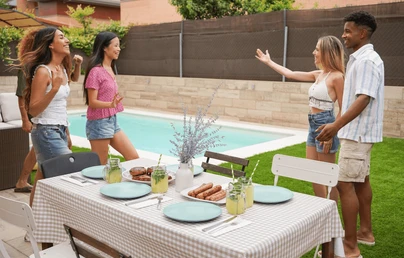
The best hosts make everything feel effortless. The drinks are cold. The kitchen is moving. The patio feels inviting. The conversation has somewhere to land.
That kind of ease usually comes from preparation.
The same idea applies to home safety. Smoke alarms and carbon monoxide alarms should not only get attention when they chirp, fail, or interrupt a peaceful night’s sleep. They should be part of the seasonal reset, especially before the home starts working harder for summer.
BBQ season often means more cooking, more open doors, more guests moving between indoors and outdoors, and more things happening at once. Someone may be grilling outside while the oven is warming side dishes. A guest may light a candle on the dining table. A fire pit may become the center of the evening. A patio heater may stretch dinner a little later into the night.
None of this needs to feel alarming. It simply means the home should be ready for the way it will actually be used.
The U.S. Fire Administration recommends testing smoke alarms monthly and replacing smoke alarms that are 10 years old. That is practical advice, but it also belongs in the larger rhythm of seasonal home care. If you are already cleaning the grill, refreshing the patio, and preparing outdoor spaces for guests, checking the alarms inside the home is not an extra chore. It is part of hosting well.
Make Smoke Alarms Part of the Pre-Party Walkthrough
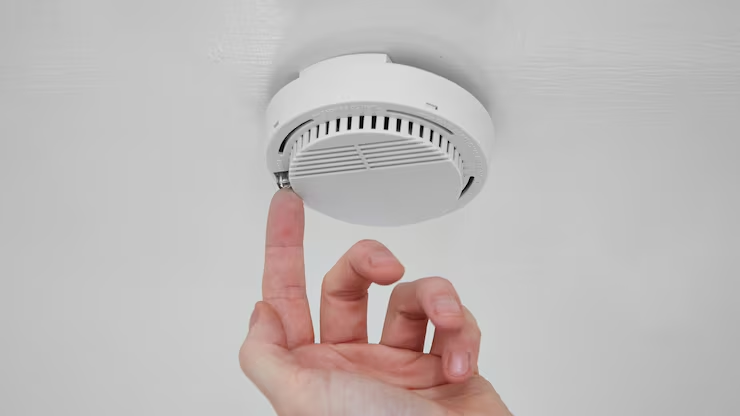
Before the first big summer gathering, walk through the home the way a guest might move through it.
Start near the bedrooms, then check hallways, main living areas, the kitchen zone, the basement if there is one, and any level where people may gather or sleep. Press the test button on each smoke alarm and listen for a clear, strong sound. If an alarm is weak, delayed, silent, or unreliable, it needs attention before the house fills with people.
This is also the moment to check the age of each unit. Most smoke alarms have a manufacture date printed on the back. If the alarm is more than 10 years old, it should be replaced. A smoke alarm can look perfectly fine from the outside and still be too old to trust.
For homeowners who want a cleaner, more connected option, a smart combination alarm such as the First Alert Smart Smoke & Carbon Monoxide Alarm can make this kind of maintenance feel less mysterious. App alerts, voice warnings, and smoke and carbon monoxide detection in one device can be helpful, especially in homes where people travel often or manage multiple levels.
Still, the technology is only as useful as the habit behind it. A smart alarm still needs to be tested. A hardwired alarm may still have a backup battery. A sealed-battery alarm still has an expiration date.
The point is not to turn the home into a gadget showroom. The point is to make safety feel as considered as the rest of the space.
Carbon Monoxide Safety Belongs in Summer Too
Carbon monoxide is often treated like a winter concern because people associate it with furnaces, fireplaces, and closed-up homes. But summer brings its own reasons to pay attention.
Grills, generators, fuel-burning appliances, attached garages, and outdoor cooking equipment all make carbon monoxide awareness important. Carbon monoxide cannot be seen, smelled, or tasted, which is why alarms matter.
The U.S. Consumer Product Safety Commission recommends carbon monoxide alarms on every level of the home and outside sleeping areas. For homes that host overnight guests, this becomes especially important. A guest bedroom that looks beautiful should also be protected by the basics that help people sleep safely.
This is where preparation becomes a form of hospitality. Fresh linens and a bedside carafe are lovely, but so is knowing that the room is protected by working alarms. The most elegant homes do not treat safety as separate from comfort. They build it quietly into the experience.
Grill Safety Without Killing the Mood

A summer barbecue should smell like good food, not anxiety. Still, the grill deserves a quick safety check before the season gets busy. A clean grill is nicer to cook on, but it also helps reduce grease buildup. Gas grills should be checked before use, and every grill should be placed in a safe, open area.
The National Fire Protection Association advises placing grills well away from the home, deck railings, eaves, and overhanging branches. That single detail can make a major difference, especially on patios where furniture, planters, umbrellas, and outdoor décor tend to multiply once summer arrives.
This is where good design and good judgment can work together. Give the grill its own clear zone. Keep serving trays, towels, paper goods, and decorative items away from heat. Make sure children and pets are not weaving through the cooking area. If the grill is part of the evening, let it have enough space to do its job safely.
It is also wise to keep a home fire extinguisher accessible in the kitchen or near the main cooking zone. A compact option such as a Kidde kitchen fire extinguisher is the kind of practical item no one hopes to use, but every well-prepared home should have within reach.
None of this makes the party less stylish. It makes the host look more in control.
Candles Should Set the Mood, Not the Table Runner
Summer entertaining is all about atmosphere. Candles on the table, lanterns near the seating area, and a soft glow around the patio can turn a simple dinner into something memorable.
But open flames need space.
Candles should be placed on stable surfaces, away from napkins, dried florals, curtains, table runners, and anything that can catch easily. If the table is crowded, enclosed candle holders are a more polished choice than exposed flames. A hurricane candle holder, such as the Josh Young x Williams Sonoma Home Cadorna Hurricane Candle Holder, gives the table that warm, layered glow while offering a more contained way to style candlelight.
This is not about removing romance from the table. It is about making the glow feel intentional.
The same rule applies indoors. Candles near guest bathrooms, entry consoles, mantels, and coffee tables should never be placed where sleeves, curtains, greenery, or paper goods can brush against them. The best candle styling feels calm, not precarious.
Fire Pits and Patio Heaters Need Breathing Room

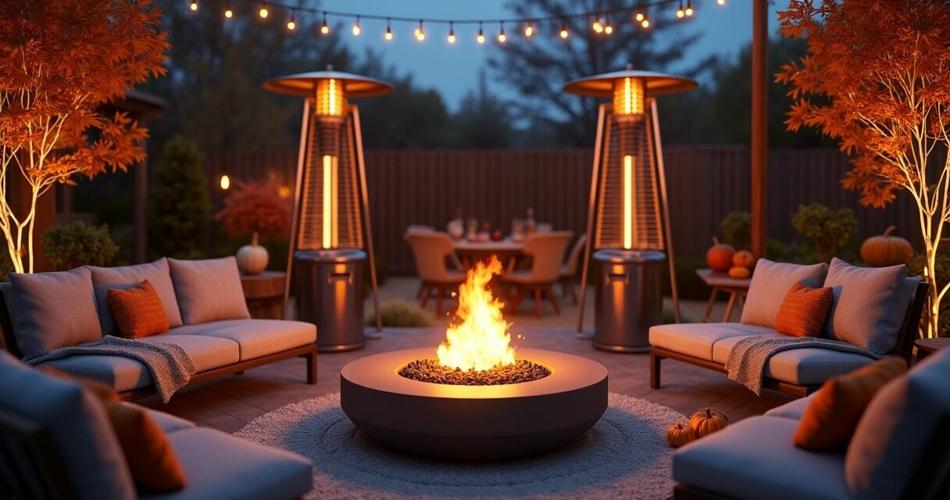
A fire pit can turn an ordinary patio into the place everyone naturally gathers after dinner. It gives the evening a center. It keeps people outside a little longer. It makes summer entertaining feel relaxed, warm, and just slightly cinematic.
It also needs space.
Fire pits should be placed on appropriate surfaces and kept away from furniture, overhangs, dry landscaping, loose outdoor fabrics, and anything that could shift too close as the evening goes on. Guests love to pull chairs inward once the fire is lit, so plan the layout with extra room from the beginning.
A fire pit with a protective surround, such as the Solo Stove Bonfire Fire Pit + Surround Bundle, can help create a more defined gathering area while still keeping the look clean and modern. It is a good example of how outdoor safety features can be built into the design of the space rather than treated as an afterthought.
Patio heaters deserve the same attention. They can be beautiful and useful, especially for longer dinners on cooler evenings, but they should be used according to the manufacturer’s instructions and kept clear of umbrellas, awnings, branches, and anything overhead.
The goal is not to make outdoor entertaining feel restricted. It is to create a setting where people can relax because the basics have already been handled.
The Most Elegant Homes Are Prepared Homes
There is a reason the best hotels, restaurants, and event spaces feel effortless. The beauty is visible, but the preparation is hidden. Guests notice the lighting, the seating, the music, the flowers, and the food. They do not notice the systems working quietly in the background.
A home can work the same way.
Testing alarms, checking carbon monoxide protection, cleaning the grill, keeping a fire extinguisher accessible, and giving flames enough space are not chores separate from hosting. They are part of hosting well. They allow the evening to feel easy because the important details have already been handled.
Before the first big barbecue of the season, take a short walk through the home. Test the smoke alarms. Check the carbon monoxide alarms. Look at the grill area. Move anything too close to heat. Rethink open flames on crowded tables. Make sure the fire pit and patio heater have breathing room.
Then go back to the enjoyable parts of summer: setting the table, chilling the drinks, opening the doors, and letting the house fill with the kind of noise people actually want to hear.
Conversation. Music. Laughter. The grill warming up.
And, with a little luck, absolutely no chirping at 3 a.m.

(0) comments
We welcome your comments
Log In
Post a comment as Guest
Keep it Clean. Please avoid obscene, vulgar, lewd, racist or sexually-oriented language.
PLEASE TURN OFF YOUR CAPS LOCK.
Don't Threaten. Threats of harming another person will not be tolerated.
Be Truthful. Don't knowingly lie about anyone or anything.
Be Nice. No racism, sexism or any sort of -ism that is degrading to another person.
Be Proactive. Use the 'Report' link on each comment to let us know of abusive posts.
Share with Us. We'd love to hear eyewitness accounts, the history behind an article.