
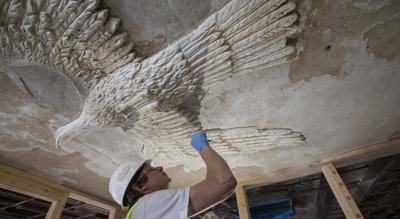

Ever looked up at an old ceiling and wondered what it must have looked like when every decorative detail was crisp and beautifully defined? Years of paint, the occasional leak, everyday wear, and even a few DIY mishaps can leave stunning plasterwork looking worn out rather than worthy of attention.The good news is that even worn and neglected plaster details can regain their original charm with the right care and attention.
How Can Damage Be Spotted Before It Gets Worse?
Small cracks and chips often appear harmless, but they can be early signs of larger issues hiding beneath the surface. Loose sections, crumbling edges, stains, or gaps where plaster has separated from the wall or ceiling deserve attention before they become more expensive to repair. Some cracks like to play hide and seek, and more often than not, only appear when the light hits them just right, so make sure to check plasterwork from different angles because it’ll help you catch these small warning signs before they turn into bigger repair headaches.
Should Every Layer of Old Paint Be Removed?
Not always. Old paint can actually help preserve plaster if it remains well bonded to the surface. The real concern is thick, uneven layers that have buried decorative details over the years. Careful stripping or gentle sanding can uncover intricate patterns without damaging the plaster underneath. Rushing this stage with aggressive tools often removes the very details that make architectural plasterwork worth saving.
What Is the Best Way to Repair Missing Pieces?
Small chips can often be filled using compatible plaster materials and carefully shaped to match the surrounding detail. Larger missing sections require much more precision. Existing patterns are usually copied with moulds so replacements blend naturally into the original design. A successful repair should disappear into the surrounding plaster rather than stand out as something newly added. It’s worth keeping in mind that patience during this stage pays off every time.
Why Does Surface Preparation Make Such a Difference?
Fresh paint will only look as good as the surface beneath it. Dust, loose material, grease, and flaky coatings prevent proper adhesion and can shorten the life of the finish. If you want your restored plasterwork to stand out, the real work starts before the paint goes on. Take time to clean the surface, fix any damage, and choose a primer that suits the material. These simple steps help you achieve a finish that highlights the detail instead of drawing attention to imperfections.
Can You DIY It, or Is It Time for Expert Help?
It is easy to think a paintbrush is all you need to revive tired plasterwork, but some jobs are better left to someone with the right skills. If your ceiling rose, cornices, or decorative mouldings need repairs rather than just a colour refresh, a professional painter can help bring them back without losing their character. They know how to handle delicate surfaces, fix problem areas, and create a finish that makes the details stand out. Sometimes the smartest DIY decision is knowing when to let an expert take over.
How Can Restored Plasterwork Stay Looking Its Best?
Regular care keeps decorative plaster looking fresh without much effort. A soft brush or vacuum attachment removes dust from detailed mouldings without causing damage. Moisture problems should be dealt with promptly because damp remains one of the biggest threats to traditional plaster. Avoid hanging heavy objects directly from decorative features, and repair small cracks before they have the chance to spread. A little ongoing maintenance helps preserve the character that careful restoration has brought back.
Bringing History Back Into Everyday Living
There is something special about seeing old plasterwork come back to life. Those forgotten details above your head or around your walls can completely change the feel of a room once they receive the care they deserve. Restoring architectural plasterwork is not just about making repairs look invisible, but about protecting the craftsmanship, character, and charm that make your home unique. With careful attention, the right techniques, and quality workmanship, these beautiful features can become a standout part of your space once again, adding a timeless touch that you will enjoy for years.
(0) comments
We welcome your comments
Log In
Post a comment as Guest
Keep it Clean. Please avoid obscene, vulgar, lewd, racist or sexually-oriented language.
PLEASE TURN OFF YOUR CAPS LOCK.
Don't Threaten. Threats of harming another person will not be tolerated.
Be Truthful. Don't knowingly lie about anyone or anything.
Be Nice. No racism, sexism or any sort of -ism that is degrading to another person.
Be Proactive. Use the 'Report' link on each comment to let us know of abusive posts.
Share with Us. We'd love to hear eyewitness accounts, the history behind an article.