
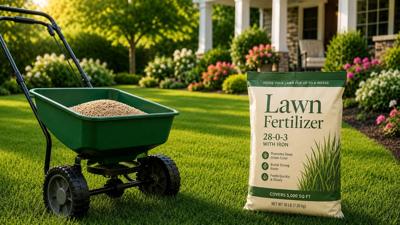
A green lawn looks effortless in the same way a great blowout looks effortless. Everyone admires the result, but there is usually a little strategy, timing, and restraint involved. Fertilizer can absolutely help a lawn look fuller, healthier, and more polished, but it is also one of the easiest places for homeowners to waste money or accidentally make things worse.
Learning how to fertilize your lawn properly starts with understanding what grass actually needs. The goal is not to throw down a bag of whatever looks promising at the garden center and hope for a suburban miracle. The goal is to feed the lawn at the right time, in the right amount, and in a way that supports healthy growth without encouraging runoff, burn, weeds, or a yard that becomes a full-time emotional project.
Why Lawn Fertilizer Matters
Grass needs nutrients to grow well, especially nitrogen, which supports green color and leafy growth. Fertilizer can help improve density, encourage recovery from wear, and make a lawn better able to compete with weeds. A well-fed lawn is not just prettier; it is often stronger. Dense turf can help shade the soil, reduce bare patches, and make the yard look cared for even before the flower beds get involved.
Still, fertilizer is not a magic fix for every lawn problem. If the soil is compacted, the lawn is being cut too short, irrigation is inconsistent, or the wrong grass is planted for the climate, fertilizer can only do so much. In some cases, it simply makes a struggling lawn struggle more expensively. Before feeding the grass, it helps to look at the whole yard: sunlight, watering, soil, drainage, mowing habits, and whether the lawn is actually ready to use the nutrients being applied.
Start With the Type of Grass You Have
The best fertilizing schedule depends on the type of grass in your yard. Cool-season grasses, such as fescues and bluegrass, generally grow most actively during cooler periods and are often fertilized from late summer into fall. Warm-season grasses, such as bermudagrass and zoysia, usually respond best when fertilized during their active growing season in late spring and summer. Timing matters because fertilizer works best when the grass is actively growing and able to use the nutrients.
This is one of the biggest reasons generic lawn advice can cause trouble. A homeowner in a warm coastal climate may need a very different schedule than someone maintaining a lawn in a colder region. If you are not sure what type of grass you have, local cooperative extension offices, reputable garden centers, or qualified lawn professionals can help identify it. Guessing is common, but so is buying the wrong product and then wondering why the lawn looks offended.
Do Not Fertilize Just Because the Lawn Looks Tired
A tired-looking lawn may need fertilizer, but it may also need water, better mowing, aeration, pest control, disease management, improved soil, or simply a break from heat stress. Brown patches do not automatically mean the lawn is hungry. During extreme heat or drought, grass may go dormant or become stressed, and feeding it at the wrong time can do more harm than good.
Before fertilizing, check for obvious problems. Is the grass being cut too short? Is water reaching the area evenly? Are there compacted spots where water runs off instead of soaking in? Are there shady areas where grass struggles every year? Knowing how to fertilize your lawn includes knowing when not to fertilize. Sometimes the smartest lawn-care decision is to fix the conditions first and feed later.
Use a Soil Test Before You Guess
A soil test is one of the most practical tools a homeowner can use before fertilizing. It can show which nutrients are already present, which may be lacking, and whether the soil pH is affecting how well the grass can use nutrients. Without that information, fertilizer shopping becomes a very expensive guessing game with prettier packaging.
Many university extension programs and local agencies offer soil testing guidance, and some areas have specific rules about fertilizer use, especially phosphorus. Soil testing can help prevent overapplication, which saves money and reduces the risk of nutrients washing into storm drains, streams, lakes, and other waterways. A healthy lawn should not require treating the yard like a chemistry experiment every Saturday morning.
Choose the Right Fertilizer for the Job
Fertilizer labels usually show three numbers, which represent nitrogen, phosphorus, and potassium. Nitrogen supports leafy growth and color, phosphorus supports root development, and potassium helps with overall plant strength. The right balance depends on your soil, grass type, season, and local regulations. More is not automatically better, even if the lawn aisle seems determined to suggest otherwise.
Slow-release fertilizers can be useful because they feed gradually instead of delivering a fast surge all at once. That can reduce the risk of burning the grass and may provide steadier growth. Homeowners should always follow the label directions carefully, because fertilizer is not the place for creative interpretation. The lawn will not be impressed by enthusiasm if the application rate is wrong.
Timing Is Everything
The best time to fertilize is when grass is actively growing and able to use the nutrients. Cool-season lawns often benefit most from feeding in the cooler growing periods, especially late summer into fall. Warm-season lawns are typically fertilized during late spring and summer, once they are actively growing. The exact timing can vary by region, grass type, and weather, so local guidance is more valuable than a one-size-fits-all calendar.
Avoid fertilizing before heavy rain, during windy conditions, or when the ground is overly dry and stressed. Fertilizer applied right before a storm can wash away before the lawn benefits from it, which is bad for your budget and worse for nearby waterways. If lawn care costs feel higher lately, timing applications properly is one of the simplest ways to stop paying for nutrients that end up somewhere other than the grass.
Watering After Fertilizing Matters
Many fertilizers need to be watered in after application, but the amount and timing depend on the product label. Light watering can help move nutrients into the soil and off the grass blades, reducing the chance of burn. Too much water, however, can push nutrients past the root zone or cause runoff, especially on sloped yards or compacted soil.
The goal is controlled watering, not creating a backyard slip-and-slide for fertilizer granules. If rain is expected, check the forecast carefully. A gentle rain may help, while a heavy downpour can carry fertilizer away. Good lawn care is often less about dramatic effort and more about paying attention to small details at the right moment.
Avoid the Most Common Fertilizer Mistakes
One of the most common mistakes is applying too much fertilizer. Homeowners often assume a little extra will make the lawn greener faster, but overfertilizing can burn grass, encourage weak growth, increase thatch, and contribute to runoff. Another mistake is applying fertilizer unevenly, which can leave the yard looking striped in ways no one requested.
Other common errors include fertilizing dormant grass, applying product before a storm, using the wrong formula, skipping soil testing, or feeding weeds as enthusiastically as the lawn. A spreader can help apply fertilizer more evenly, but it must be calibrated correctly. A beautiful lawn should not look like it was decorated by someone walking in circles with a bag of nitrogen.
Fertilizer Works Best With Good Mowing Habits
Fertilizer cannot compensate for poor mowing. Cutting grass too short can stress the lawn, expose soil, encourage weeds, and make the yard more vulnerable during hot or dry weather. Taller grass often supports deeper roots and can help shade the soil, which makes the lawn more resilient between watering and fertilizing.
Sharp mower blades also matter. Dull blades tear grass instead of cutting it cleanly, leaving the lawn more vulnerable to stress and discoloration. For homeowners trying to keep lawn care manageable, strong basics make every fertilizer application work harder. Mow properly, water wisely, and feed strategically. It is not glamorous, but neither is explaining to guests why the front yard has developed bald spots.
When Professional Lawn Care Is Worth It
Some homeowners enjoy handling lawn care themselves. Others would rather spend their weekend doing almost anything else, including reorganizing the garage or pretending to enjoy a home-improvement store on a Saturday morning. Professional help can be worthwhile when the lawn has recurring problems, the yard is large, or the homeowner wants seasonal treatments done correctly.
Professional lawn maintenance can also help identify whether the lawn needs fertilizer, aeration, overseeding, weed control, or soil correction. If you are weighing the cost, it helps to understand the broader value of professional lawn maintenance before deciding which parts to outsource and which parts to handle yourself.
How Fertilizing Fits Into a Bigger Lawn-Care Plan
Fertilizer is only one part of a healthy yard. A strong lawn also needs proper mowing, sensible watering, seasonal cleanup, weed management, and occasional correction when soil becomes compacted or thin areas appear. Regular attention is often less expensive than trying to rescue a damaged lawn after months of neglect.
For homeowners looking at the bigger picture, regular lawn maintenance is what keeps fertilizing from becoming a desperate last-minute fix. It also helps explain why simple lawn care habits can make such a visible difference over time.
How to Save Money Without Starving the Lawn
If lawn care feels more expensive than it used to, fertilizing smarter can help. Start with a soil test, buy only what the lawn actually needs, apply at the correct time, and avoid paying for products that do not match your grass type or climate. Reducing waste is one of the easiest ways to protect both the yard and the budget.
It also helps to think of fertilizing as maintenance, not decoration. The goal is not to chase the greenest lawn on the block at any cost. The goal is a healthy, attractive yard that supports curb appeal without requiring constant correction. As lawn care costs are rising, homeowners who understand what their grass actually needs will be in a much better position to spend wisely.
The Bottom Line on Fertilizing Your Lawn
Knowing how to fertilize your lawn is really about timing, restraint, and paying attention to the conditions in your own yard. Fertilizer can make a lawn greener, thicker, and healthier, but only when it is used correctly. Applied carelessly, it can waste money, damage grass, and contribute to runoff.
A beautiful lawn does not have to be perfect, but it should look intentional. Feed it when it is ready, choose the right product, follow the label, and resist the urge to treat every lawn problem as a fertilizer problem. Your grass will be better for it, your budget will be calmer, and your yard will look far less like it is negotiating terms.

(0) comments
We welcome your comments
Log In
Post a comment as Guest
Keep it Clean. Please avoid obscene, vulgar, lewd, racist or sexually-oriented language.
PLEASE TURN OFF YOUR CAPS LOCK.
Don't Threaten. Threats of harming another person will not be tolerated.
Be Truthful. Don't knowingly lie about anyone or anything.
Be Nice. No racism, sexism or any sort of -ism that is degrading to another person.
Be Proactive. Use the 'Report' link on each comment to let us know of abusive posts.
Share with Us. We'd love to hear eyewitness accounts, the history behind an article.