
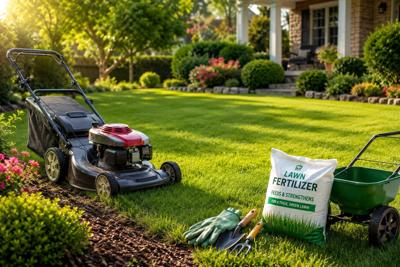

A beautiful lawn has always carried a certain quiet luxury. It says someone cares, someone plans ahead, and someone has not completely surrendered the front yard to weeds, patchy grass, and whatever mysterious plant is staging a takeover near the walkway. But lately, many homeowners have noticed that keeping a yard polished feels more expensive than it used to.
Lawn care costs are rising for reasons that go well beyond a simple mow-and-go service. Equipment, fuel, labor, materials, weather challenges, and homeowner expectations have all changed. The result is a lawn care market where a tidy, healthy yard often requires more planning, more knowledge, and, unfortunately, a little more room in the budget.
Why Lawn Care Costs Are Rising
There is no single reason lawn care has become more expensive. Like most home services, it is being affected by a combination of higher operating costs, labor shortages, changing weather patterns, and more specialized customer expectations. A professional lawn care visit is no longer just a person arriving with a mower and leaving twenty minutes later. Many homeowners now expect edging, weed control, seasonal feeding, aeration, overseeding, pest awareness, irrigation advice, and a yard that looks casually perfect, as if nature simply has excellent taste.
For homeowners, understanding why lawn care costs are rising can make it easier to decide where to spend, where to save, and when to bring in professional help. A healthy lawn is part curb appeal, part property care, and part long-term prevention. Ignoring it completely can lead to bare patches, drainage problems, weeds, pests, and an exterior that quietly drags down the look of the entire home.
Fuel, Labor, and Equipment All Affect the Price
Professional lawn care companies have real costs before they ever pull into a driveway. Trucks need fuel. Equipment needs maintenance. Mowers, trimmers, blowers, aerators, and spreaders wear down with repeated use. Commercial-grade equipment is far more expensive than the basic tools most homeowners keep in the garage, and repairs can be costly during the busiest season.
Labor is another major factor. Skilled lawn care is physical, seasonal, and weather-dependent work. Reliable crews must know how to cut properly, identify problem areas, work around irrigation systems, avoid damaging landscaping, and handle equipment safely. When demand is high and experienced workers are harder to find, service prices naturally rise. It may look simple from the window, but there is a difference between maintaining a lawn and simply attacking it with a mower.
Weather Has Made Yard Care Less Predictable
Weather is one of the most frustrating reasons lawn care costs are rising. Hotter stretches, heavy rain, drought conditions, sudden growth spurts, and seasonal extremes can all affect how often a lawn needs care. A yard may grow aggressively after rain, then struggle through heat and dry spells, leaving homeowners with a confusing mix of overgrowth, brown patches, and weeds that somehow remain deeply committed to thriving.
Unpredictable weather also affects scheduling for lawn care professionals. Heavy rain can delay mowing. Extreme heat can shorten safe working hours. Wet ground can make certain services impractical. When crews lose workable days, the available schedule tightens, and peak-season pricing can become more expensive. For homeowners, this means a lawn care plan should be flexible rather than reactive.
Today’s Lawn Care Is More Than Cutting Grass
A polished yard often requires more than mowing. Weed control, soil health, fertilization, aeration, reseeding, pest prevention, irrigation adjustments, and seasonal cleanups all play a role in how a lawn looks and performs. Homeowners who want a lush, even lawn usually need a broader maintenance approach, not just occasional trimming when the grass starts looking personally offended.
This is one reason professional maintenance can still be worthwhile. A good lawn care provider can spot issues early and recommend timing for seasonal treatments. For homeowners weighing whether to hire help, professional lawn maintenance can be valuable when the yard needs consistent care, not just cosmetic cleanup before guests arrive.
DIY Lawn Care Is Not Always the Bargain It Seems
Doing your own lawn care can save money, especially for homeowners with smaller yards and a willingness to learn. But the DIY route is not always as inexpensive as it first appears. A good mower, trimmer, edger, spreader, hose, fertilizer, seed, soil amendments, pest treatments, and storage space all add up quickly. Then there is the less glamorous cost: your weekend.
There is also room for expensive mistakes. Cutting grass too short can stress the lawn. Overwatering can encourage shallow roots or disease. Using the wrong product at the wrong time can damage turf or waste money. DIY lawn care can absolutely work, but it needs to be done with the same discipline as any other home project. A lawn does not become lush simply because someone bought a bag of fertilizer and felt optimistic.
Low-Maintenance Yards Still Need Maintenance
Many homeowners are turning toward low-maintenance landscaping to reduce ongoing costs. That can be a smart move. Mulched beds, drought-tolerant plants, improved edging, ground covers, gravel pathways, and smaller lawn areas can all reduce the amount of grass that needs weekly care. The best low-maintenance yards are designed with intention, not simply stripped of greenery and left to look like a parking lot with ambition.
Still, low-maintenance does not mean no-maintenance. Beds need weeding. Edges need cleaning. Gravel can shift. Plants need pruning. Irrigation systems need attention. Even artificial turf requires cleaning and upkeep. Homeowners hoping to reduce lawn care costs should focus on smarter design, not magical thinking. A beautiful yard always needs some level of care; the trick is choosing the kind of care that fits your lifestyle.
Regular Maintenance Can Be Cheaper Than Rescue Work
One of the most practical ways to control expenses is to avoid letting the yard decline too far in the first place. A neglected lawn often costs more to repair than a maintained one costs to preserve. Bare patches, compacted soil, weed invasions, poor drainage, and pest damage can all become larger problems when ignored for too long.
Consistent care does not have to mean constant spending. It means mowing at the right height, watering thoughtfully, feeding seasonally, addressing weeds early, and paying attention to changes before they become dramatic. As with so many parts of home ownership, regular upkeep is less exciting than a major rescue, but it is usually far less expensive. For homeowners who want a stronger foundation, regular lawn maintenance is often the difference between a yard that stays healthy and one that becomes a seasonal repair project.
How Homeowners Can Keep Lawn Care Costs Under Control
The smartest approach is to separate essential care from nice-to-have services. Mowing, watering, weed prevention, and seasonal feeding may be necessary for the health of the lawn. Decorative upgrades, extra cleanups, and cosmetic enhancements can be planned around the budget. Homeowners should also ask lawn care providers for clear service breakdowns so they understand exactly what is included and what costs extra.
It can also help to simplify the yard itself. Reducing high-maintenance grass areas, improving irrigation efficiency, using mulch to suppress weeds, and choosing plants suited to the local climate can all make ongoing care easier. For homeowners who prefer a more manageable routine, simple lawn care habits can keep a yard looking polished without turning every Saturday into an unpaid landscaping shift.
When It Makes Sense to Hire a Professional
Professional help is often worth it when the lawn has recurring problems, the yard is large, the homeowner lacks the time or equipment, or the property needs a more polished appearance. A professional can also be useful for seasonal services such as aeration, overseeding, soil correction, weed management, and diagnosing issues that are not obvious at first glance.
The key is to hire thoughtfully. Homeowners should ask what services are included, how often visits are recommended, what products are being used, and whether the provider carries proper insurance. A clear agreement prevents confusion and helps avoid paying for services that do not match the yard’s actual needs. The most expensive lawn care is often the kind purchased in a panic after months of neglect.
A Beautiful Lawn Is Still Possible
Yes, lawn care costs are rising, but that does not mean homeowners have to choose between a beautiful yard and financial defeat. A smart plan can keep the exterior looking cared for without overspending. The best lawns are not always the most elaborate. Often, they are the ones maintained consistently, watered wisely, cut properly, and designed with the homeowner’s real life in mind.
A well-kept lawn still adds charm, curb appeal, and a sense of welcome to a home. It frames the house, softens the landscape, and makes outdoor spaces feel more intentional. And while the cost of care may be higher than it once was, a thoughtful approach can keep the yard looking fresh, elegant, and very much under control. The grass does not have to be perfect. It just has to look like someone respectable is in charge. A homeowner that wants to maintain a great-looking lawn, but not blow their budget, has the option of using some intelligent ways to save money, such as the Lymow Discount Code on Barakatalan, that will allow them to afford premium lawn care products and services and maintain their outdoor living areas at their best.


(0) comments
We welcome your comments
Log In
Post a comment as Guest
Keep it Clean. Please avoid obscene, vulgar, lewd, racist or sexually-oriented language.
PLEASE TURN OFF YOUR CAPS LOCK.
Don't Threaten. Threats of harming another person will not be tolerated.
Be Truthful. Don't knowingly lie about anyone or anything.
Be Nice. No racism, sexism or any sort of -ism that is degrading to another person.
Be Proactive. Use the 'Report' link on each comment to let us know of abusive posts.
Share with Us. We'd love to hear eyewitness accounts, the history behind an article.