
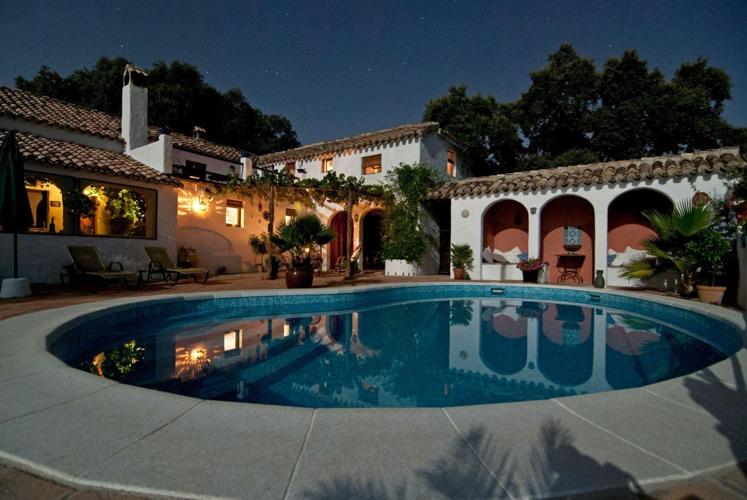
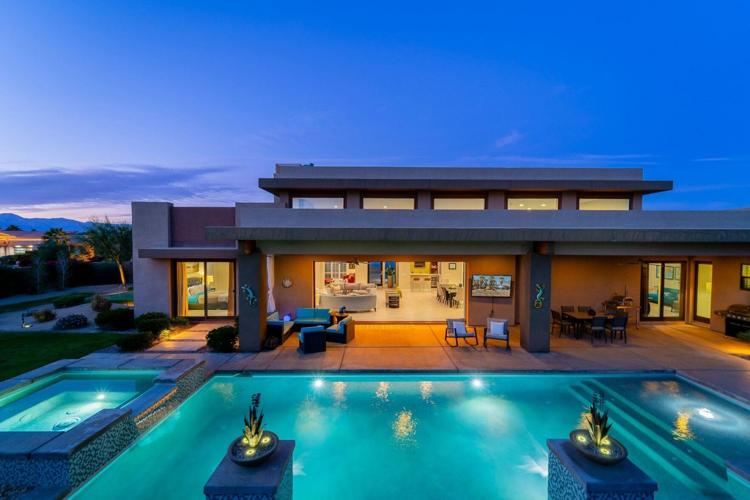

Luxury real estate is often associated with obvious indicators of value. Square footage, premium finishes, prestigious neighborhoods, and custom architecture all play important roles when determining a property's market position. Yet buyers and real estate professionals regularly encounter situations where two homes that appear remarkably similar on paper end up selling for dramatically different prices. The difference isn't always explained by location alone, nor is it necessarily tied to construction costs or the age of the property.
What separates one luxury home from another is frequently the overall experience it creates. Affluent buyers rarely make decisions based solely on measurable features. Instead, they evaluate how a home functions, how it feels, and whether it reflects the lifestyle they envision. The emotional response a property creates, combined with thoughtful design choices that improve everyday living, often carries just as much weight as the specifications listed in the sales brochure. These less obvious qualities explain why one residence can attract multiple competitive offers while another with nearly identical dimensions struggles to generate the same enthusiasm.
Buyers Are Investing in an Experience, Not Just a Property
Luxury buyers tend to imagine daily life inside a home long before they compare technical specifications. During a viewing, attention naturally shifts toward spaces where family gatherings, celebrations, and quiet evenings might take place. Outdoor living has become particularly important in this process because many buyers now expect the exterior to function as another living area rather than simply surrounding the house. While exploring ideas for creating those spaces, homeowners and designers frequently look to https://royalfirepits.com/ for inspiration on incorporating premium fire features that help transform patios and gardens into inviting places to relax and entertain throughout the year.
The impact of these spaces extends beyond appearance. A thoughtfully designed outdoor environment encourages buyers to picture themselves using the property in ways that feel personal and memorable. An inviting terrace, comfortable seating areas, carefully planned landscaping, and features that naturally bring people together create an atmosphere that cannot be measured by square footage alone. These emotional impressions often remain with buyers long after they leave the property, making one home feel significantly more valuable than another with a nearly identical floor plan.
Design Quality Is About Balance Rather Than Expense
Luxury homes frequently feature high-end materials, but expensive finishes alone rarely justify premium pricing. Buyers who regularly explore this segment of the market have become increasingly skilled at recognizing the difference between quality design and simply adding costly materials wherever possible. Marble countertops, imported wood flooring, designer lighting, and custom cabinetry certainly contribute to a home's appeal, yet they achieve their greatest impact when they work together as part of a cohesive design.
The most desirable properties demonstrate restraint and consistency. Every room feels connected, transitions between spaces are natural, and architectural details support the overall character of the home instead of competing for attention. Natural light is carefully considered, furniture placement highlights the proportions of each room, and finishes complement rather than overwhelm one another. These characteristics create an impression of sophistication that buyers notice immediately, even if they cannot always identify the individual design decisions responsible for that feeling.
Presentation Influences Perceived Value More Than Many Sellers Realize

The condition in which a luxury home is presented can substantially affect its final selling price. Buyers entering this market expect a property to feel meticulously maintained, and even relatively small imperfections may influence how the home is perceived. Fresh landscaping, spotless interiors, polished surfaces, and carefully maintained outdoor spaces all contribute to an impression that the property has been consistently cared for over time.
Presentation also shapes the home's marketing before buyers ever schedule a viewing. Professional photography captures more than attractive rooms, it communicates atmosphere, comfort, and lifestyle. Homes that appear bright, welcoming, and thoughtfully prepared tend to generate stronger interest online, increasing the number of private showings and creating greater competition among prospective buyers. In luxury real estate, stronger demand often translates directly into higher offers because buyers perceive the property as something others are equally eager to own.
Small Differences in Location Can Create Large Differences in Value
Even within the same neighborhood, subtle location advantages can significantly influence buyer interest. Two neighboring homes may share the same postal code while offering very different experiences. One property may enjoy greater privacy thanks to mature landscaping, while another benefits from better views, quieter surroundings, or more favorable sun exposure throughout the day. These characteristics are difficult to summarize in listing descriptions, yet they become immediately apparent during a visit.
Accessibility also plays an important role. The way a home connects to walking paths, waterfronts, parks, golf courses, or community amenities can influence how buyers imagine their daily routines. At the luxury level, convenience is evaluated differently than in other segments of the market. Buyers are looking for properties that simplify everyday living while enhancing leisure time. When a home successfully combines privacy, accessibility, and attractive surroundings, it naturally becomes more desirable than another property with nearly identical architectural features but fewer lifestyle advantages.
The Most Valuable Homes Continue Delivering Long After the Sale
Luxury buyers increasingly evaluate properties through the lens of long-term enjoyment rather than immediate visual impact. Timeless architecture, durable materials, flexible living spaces, and features that remain practical throughout changing stages of life contribute to lasting value. Homes designed with year-round comfort in mind often outperform those built around short-lived design trends because they continue meeting homeowners' needs for many years after purchase.
This perspective explains why some luxury homes consistently command stronger prices than others despite appearing remarkably similar during an initial comparison. Buyers recognize thoughtful planning, balanced design, and functional living spaces that enhance everyday experiences instead of relying solely on visual appeal. When every element of a property contributes to comfort, convenience, and quality of life, the home becomes far more than a collection of premium finishes. It becomes a place that feels complete, and that sense of completeness is often what separates an exceptional property from one that simply checks the expected boxes.

(0) comments
We welcome your comments
Log In
Post a comment as Guest
Keep it Clean. Please avoid obscene, vulgar, lewd, racist or sexually-oriented language.
PLEASE TURN OFF YOUR CAPS LOCK.
Don't Threaten. Threats of harming another person will not be tolerated.
Be Truthful. Don't knowingly lie about anyone or anything.
Be Nice. No racism, sexism or any sort of -ism that is degrading to another person.
Be Proactive. Use the 'Report' link on each comment to let us know of abusive posts.
Share with Us. We'd love to hear eyewitness accounts, the history behind an article.