
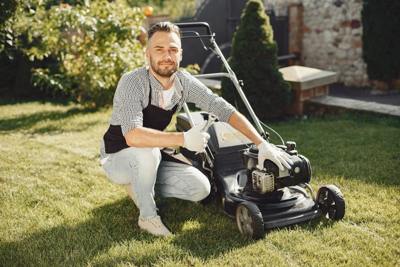
A neat lawn changes how a home looks from the street. Rich color and even growth make the whole property feel cared for. Thin grass and stray weeds do the opposite. People notice those details right away.
Many owners want a yard that looks polished without constant trial and error. That is where weed pro lawn care fits into the picture. Good service supports turf health, weed control, and sprinkler performance. It also helps owners avoid small problems that keep growing.

Healthier Grass Gives The Whole Property A Better Look
A good lawn does more than fill open ground. It helps the entry, driveway, and outdoor features look cleaner and more complete. When grass grows evenly, the home feels more settled. It also gives other exterior details a sharper setting.
For upscale homes, those visual details carry more weight. Strong curb appeal often starts with simple upkeep done on schedule. Thick turf supports that polished look without drawing too much attention. It keeps the yard looking fresh through busy seasons.
A professional crew also spots weak turf before it spreads. Bare spots often grow faster than people expect. Weed patches follow soon after. Early care keeps the lawn fuller and more even.
This steady upkeep also protects the value of the wider property. Guests notice a clean front yard before they see interior features. Owners feel that difference every time they arrive home. A healthy lawn quietly supports the whole exterior.
Weed Control Works Best With Timing And Routine
Weeds do not show up by chance. They often take hold where turf looks thin or stressed. Poor feeding habits and weak coverage make that easier. Once weeds spread, they compete with grass for space and nutrients.
Professional service helps because timing plays a big role. Treatments work better when crews apply them during the right part of the season. Lawn programs also work best when feeding and weed control support each other. A stronger lawn leaves fewer openings for weeds.
University of Georgia lawn guidance explains how timing affects treatment results and turf health. It also notes watering needs for many lawns across warm months. You can review that guidance through the University of Georgia Extension. The advice supports a steady plan instead of random fixes.
A good weed control plan often includes a few basic steps.
Pre emergent products stop many weeds before they break through the soil
Spot treatments target active patches without treating every inch of turf
Regular feeding supports thicker growth and better color
Ongoing checks help crews adjust the plan as the season shifts
This routine helps owners avoid the usual cycle of chasing visible weeds. By the time weeds look obvious, the lawn often needs more support. Early action keeps turf stronger from the start. It also saves time later in the season.
Irrigation Care Supports Stronger Growth And Smarter Water Use
Many lawn problems begin with poor water coverage. One zone gets too much water while another dries out. Grass then loses color and density. Weak turf soon opens the door for weeds and stress.
Professional irrigation care helps crews find small problems early. A clogged head, broken seal, or poor spray angle often goes unnoticed. Yet each issue affects turf health over time. Routine checks keep the system working the way it should.
The Environmental Protection Agency shares similar advice through its WaterSense watering tips. It recommends checking systems for leaks, broken heads, and overspray. It also points to smarter watering habits that reduce runoff. That helps protect both the yard and water use.
Good irrigation support often improves several parts of the property at once.
Grass gets more even moisture across each zone
Water waste drops when heads spray the right area
Sidewalks and driveways stay drier and safer
Root systems grow stronger under steady watering patterns
This kind of care also helps nearby features look better. Overspray and muddy runoff can spoil patios, walkways, and seating spaces. A well managed system protects outdoor living areas from those common issues. It keeps the yard looking clean and comfortable.
Regular Service Helps Stop Small Issues From Growing
Most lawn problems start small. A weak patch near a sidewalk or one broken sprinkler head may not look serious. Still, those small issues often spread across a season. What looked minor in spring may become a bigger repair by summer.
Regular service helps because crews track patterns over time. They notice where turf stays soggy, where weeds keep returning, and where growth slows. Those details help shape better follow up visits. They also reduce guesswork for the homeowner.
A steady service plan often prevents larger setbacks.
Early checks catch stress before turf declines across wide sections
Repeat visits show whether treatments are working as planned
Small repairs cost less than broad correction work
Healthy turf recovers faster after heat and heavy use
This kind of care also saves owners time and frustration. Instead of reacting after visible decline, they stay ahead of trouble. The yard stays more consistent from month to month. That makes the whole property easier to maintain.
A Connected Plan Delivers Better Results Than Occasional Fixes
Lawn care works better when each step supports the next one. Weed control, fertilization, and irrigation checks all work together. A random treatment here and there rarely gives the same result. Turf health improves most under a connected plan.
Homeowners often benefit from a few simple habits during the season. They should watch for changes in color, density, and soil moisture. They should also note areas where water pools or dries too fast. Those signs often point to issues below the surface.
A smart lawn plan usually follows a clear pattern.
Inspect the turf and irrigation system early in the season
Apply weed control and feeding on a steady schedule
Check sprinkler performance after heat, storms, or repairs
Adjust the plan when turf response changes across the yard
Professional lawn maintenance offers real value because it brings structure to ongoing care. The lawn looks better, feels stronger, and uses water more wisely. Owners also spend less time guessing what the yard needs next. Over time, that steady approach keeps the property looking polished and well kept.

(0) comments
We welcome your comments
Log In
Post a comment as Guest
Keep it Clean. Please avoid obscene, vulgar, lewd, racist or sexually-oriented language.
PLEASE TURN OFF YOUR CAPS LOCK.
Don't Threaten. Threats of harming another person will not be tolerated.
Be Truthful. Don't knowingly lie about anyone or anything.
Be Nice. No racism, sexism or any sort of -ism that is degrading to another person.
Be Proactive. Use the 'Report' link on each comment to let us know of abusive posts.
Share with Us. We'd love to hear eyewitness accounts, the history behind an article.