
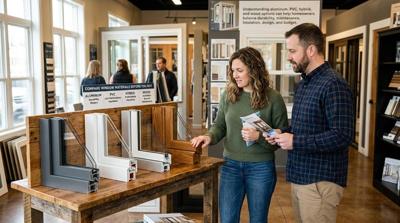

Understanding aluminum, PVC, hybrid, and wood options can help homeowners balance durability, maintenance, insulation, design, and budget.
Choosing new windows is not only about glass size, colour, or style. The frame material can affect insulation, maintenance, durability, appearance, and long-term value. For homeowners in Montreal, that decision matters because windows need to perform through cold winters, humid summers, freeze-thaw cycles, and changing weather conditions.
Before ordering, it helps to compare the most common window materials in practical terms. Aluminum, PVC, hybrid, and wood each offer different advantages, and the right choice depends on the home, budget, design goals, and performance expectations.
Start With the Problem You Want the Window to Solve
Before comparing materials, identify why the existing windows are being replaced. Drafts, condensation between panes, damaged frames, difficult operation, fading, or noise may all point to different priorities.
If the main concern is heat loss, insulation and installation quality should be central to the decision. If the priority is modern design or large openings, frame strength and profile size may matter more. If the homeowner wants lower maintenance, exterior durability becomes important.
For homeowners comparing windows Montreal, manufacturer information can be used as a starting point to review frame materials, energy performance, and product options before making a final decision.
PVC Windows: Practical Insulation and Lower Maintenance
PVC windows are commonly chosen for residential projects because they are generally low maintenance and provide good insulation. They do not require painting, resist many common moisture concerns, and can be a practical option for homeowners who want performance without frequent upkeep.
PVC may be especially appealing when the goal is comfort and energy efficiency. The frame material helps reduce heat transfer compared with some conductive materials, and it can work well in many standard residential applications.
The tradeoff is appearance and structural flexibility. Some homeowners may prefer slimmer profiles, larger glass areas, or a more contemporary look than PVC typically provides. For standard openings and budget-conscious projects, though, PVC remains a practical option.
Aluminum Windows: Strength, Durability, and Modern Design
Aluminum windows are often selected for strength, durability, and a clean architectural look. Because aluminum is strong, it can support slimmer frames and larger glass areas, which may appeal to homeowners looking for more natural light or a modern exterior style.
The main consideration is thermal performance. Aluminum conducts heat more easily than some other frame materials, so homeowners should ask about thermal breaks, glazing performance, and energy ratings before choosing aluminum frames for a residential project.
For certain homes, aluminum can be a strong option when durability, design, and larger window formats matter. It may also suit homeowners who want a low-maintenance exterior and a more contemporary appearance.
Hybrid Windows: Combining Exterior Strength With Interior Efficiency
Hybrid windows are designed to combine benefits from more than one material. A common approach is an aluminum exterior paired with a PVC or insulated interior structure. This can give homeowners exterior durability while still supporting better thermal performance inside the frame system.
This option can be useful in Montreal because the exterior must handle weather exposure while the interior side needs to support comfort. Hybrid designs can also provide a polished appearance from outside the home without fully giving up insulation value.
Homeowners considering hybrid windows should compare construction details carefully. Not every hybrid product performs the same way. Ask about frame composition, insulation, glazing, warranty terms, and whether the product is appropriate for the home’s exposure.
Wood Windows: Traditional Appearance With More Maintenance
Wood windows can offer a warm, traditional look that suits older homes, heritage properties, or homeowners who prefer natural materials. They can also provide good insulating qualities when properly built and maintained.
The main tradeoff is upkeep. Wood may require painting, sealing, or refinishing over time, especially when exposed to moisture, sun, and seasonal temperature changes. If maintenance is delayed, wood frames can become vulnerable to swelling, rot, or deterioration.
Wood may be a good fit for homeowners who value traditional design and are prepared for ongoing care. It may be less practical for those who want a lower-maintenance exterior.
Energy Performance Should Guide the Final Choice
Frame material matters, but it is only one part of performance. Glass packages, spacers, low-emissivity coatings, gas fills, airtight installation, and product ratings all affect comfort and efficiency.
Quebec’s Rénoclimat program provides financial assistance for replacing existing doors and windows with ENERGY STAR certified models, subject to program requirements. Homeowners are advised to keep invoices and ENERGY STAR labels for verification.
Before buying, compare energy ratings and ask how each material performs as part of the full window system. A strong frame with weak glazing may not solve comfort issues. A well-rated product installed poorly may also underperform.
Check Installation and Permit Details Early
Material choice should be made alongside installation planning. Measurements, opening condition, flashing, insulation, and sealing can all affect the final result. Older homes may have uneven openings or hidden damage that needs attention before new windows are installed.
Permit requirements should also be reviewed before work begins. The City of Montreal states that window and door replacement must comply with current regulations, and some projects require a permit. Changing an opening size or creating a new opening generally requires a permit in each borough.
This is especially important for homes in heritage areas, co-ownership buildings, or properties with façade requirements.
Comparing window materials before buying helps homeowners make a more informed decision. PVC may support insulation and lower maintenance. Aluminum may offer strength and modern design. Hybrid windows may balance exterior durability with interior performance. Wood may suit traditional homes but requires more upkeep.
For Montreal homeowners, the strongest choice is the material that fits the home’s climate needs, design goals, maintenance expectations, installation requirements, and budget.
Additional Resources
Homeowners comparing durability, design, and frame performance can review aluminum windows as part of their material research before finalizing a window project.


(0) comments
We welcome your comments
Log In
Post a comment as Guest
Keep it Clean. Please avoid obscene, vulgar, lewd, racist or sexually-oriented language.
PLEASE TURN OFF YOUR CAPS LOCK.
Don't Threaten. Threats of harming another person will not be tolerated.
Be Truthful. Don't knowingly lie about anyone or anything.
Be Nice. No racism, sexism or any sort of -ism that is degrading to another person.
Be Proactive. Use the 'Report' link on each comment to let us know of abusive posts.
Share with Us. We'd love to hear eyewitness accounts, the history behind an article.