
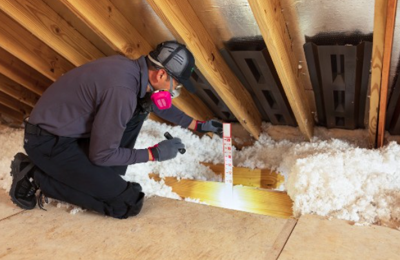

Attic insulation R-value indicates how well a material resists heat transfer through the ceiling plane. That rating affects winter warmth, summer comfort, moisture behavior, and monthly energy use. In a finished house, poor attic performance often appears as chilly bedrooms, hot upper floors, or long furnace cycles. The right insulation level gives the building envelope steady thermal control, helping rooms feel calmer through wet, cold, and mild seasons.
Heat Moves Upward
Seattle’s cool marine air, frequent rain, and long heating season make attic choices more sensitive than many owners expect. Before selecting material depth or repair steps, homeowners may compare guidance from an attic insulation company near Seattle to match R-value, air sealing, and ventilation with local climate demands and existing attic conditions.
What Does R-Value Mean?
R-value measures resistance to conductive heat flow. A higher rating slows heat movement more effectively if the product remains dry, level, and properly installed. Material choice matters. Fiberglass, cellulose, mineral wool, and spray foam provide different resistance per inch. Compression, gaps, dampness, or wind washing can reduce performance below the printed rating on a bag or label.
Climate Needs Specific to Seattle
Seattle falls within a mixed marine climate, with cool winters, mild summers, and persistent moisture exposure. Attics in this region often need higher thermal resistance than older homes currently provide. Federal guidance commonly places many attic targets near R-49 to R-60, depending on present coverage. A shallow layer from decades past rarely meets that range without added depth.
Comfort Starts Above
Comfort problems often begin at the ceiling, even when walls and windows seem fine. Heat escaping through the attic leaves rooms colder near bedtime and harder to balance. During warmer weather, roof heat can press downward into bedrooms. An adequate R-value slows that transfer. After air leaks are sealed, indoor temperatures usually feel more even from floor to floor.
Energy Bills Are Affected
A weak attic forces heating and cooling equipment to run longer. Extra runtime increases utility costs and accelerates wear on motors, fans, burners, and compressors. Better insulation reduces that workload. Actual savings depend on house size, fuel rates, duct condition, air leakage, and current depth. Even so, attic upgrades remain one of the more practical efficiency improvements for older homes.
Moisture Matters
Insulation also supports moisture management, but only when paired with air sealing and proper ventilation. Warm indoor air can carry water vapor through ceiling gaps into cold attic cavities. Once vapor reaches cooler wood or roof surfaces, condensation may form. Persistent dampness can stain sheathing, flatten loose-fill material, and encourage odor. Good attic work addresses both heat and moisture.
Installation Quality Counts
Published R-values assume careful installation. Voids, thin spots, crushed batts, blocked soffit vents, and uncovered access hatches all weaken the final result. A qualified attic inspection should include the depth of insulation, air bypasses, fan exhaust routing, pest damage, wiring penetrations, and moisture marks. Those findings determine whether the job needs sealing, removal, ventilation correction, added insulation, or several steps.
Air Sealing Comes First
R-value slows heat passing through insulation fibers or foam cells. It does not stop warm air from escaping through cracks by itself. Openings around plumbing stacks, wires, chimneys, recessed lights, and attic hatches can bypass even deep insulation. Sealing those paths first gives the added material a fair chance to work. It also reduces vapor movement into colder spaces.
Codes and Long-Term Value
Energy codes set minimum insulation levels to support comfort, efficiency, and building durability. Local standards may rise as construction practices improve and utility costs change. A documented attic upgrade can help future buyers evaluate the home with more confidence. Useful records include installed R-value, product type, project date, ventilation notes, and any related repairs completed before coverage was added.
Attic insulation R-value is more than a technical label. It directly affects comfort, heating demand, cooling strain, moisture risk, and long-term building health. Homes in cool, damp climates need insulation levels chosen with care, then installed without gaps or compression. The strongest results come from sound air sealing, clear ventilation paths, and clean materials. When those pieces work together, our homes feel steadier, drier, and more efficient year-round.
(0) comments
We welcome your comments
Log In
Post a comment as Guest
Keep it Clean. Please avoid obscene, vulgar, lewd, racist or sexually-oriented language.
PLEASE TURN OFF YOUR CAPS LOCK.
Don't Threaten. Threats of harming another person will not be tolerated.
Be Truthful. Don't knowingly lie about anyone or anything.
Be Nice. No racism, sexism or any sort of -ism that is degrading to another person.
Be Proactive. Use the 'Report' link on each comment to let us know of abusive posts.
Share with Us. We'd love to hear eyewitness accounts, the history behind an article.