

Wellness used to be sold to us as something soft, quiet, and slightly misty. A robe. A candle. A green juice that tastes like a lawn with ambition. Those things still have their place, of course, but modern recovery has become far more practical. It is about what actually helps when your shoulders are tight, your feet are annoyed, your lower back has opinions, and your body is still negotiating the terms of yesterday’s pickleball match.
The new luxury is not doing nothing. It is knowing how to recover well enough to keep doing the things you enjoy. Travel days, golf rounds, Pilates classes, garden projects, long walks, tennis matches, home workouts, and overconfident weekend errands all have a way of reminding us that the body keeps receipts.
That is where modern recovery tools come in. Some are high-tech. Some are gloriously simple. Some plug in, some roll on, and some are less glamorous than a designer serum but far more likely to save your mood after a long day on your feet.
Recovery Is the New Luxury
For years, wellness culture made recovery sound optional, as if stretching, rest, hydration, and sleep were things you would get around to after answering emails, loading the dishwasher, and pretending your hip did not just make that noise.
In reality, recovery is part of staying active. The CDC recommends that adults get at least 150 minutes of moderate-intensity physical activity each week, along with two days of muscle-strengthening activity. That is wonderful advice, but anyone who has gone from “I should move more” to “why did I agree to this hike?” knows that movement also requires maintenance.
Recovery does not have to mean turning your bedroom into a sports medicine clinic. It can be as simple as building a small routine you actually use: a few minutes of stretching, a proper glass of water, better sleep habits, supportive shoes, a topical balm, or a massage tool that does not require an engineering degree to operate.
Start With the Basics Your Body Keeps Requesting
Before buying every beautiful wellness gadget that follows you around online, start with the unglamorous essentials. They are usually the ones your body has been asking for all along.
Warm up before activity. Cool down afterward. Drink water before you are already dramatically thirsty. Wear shoes that support the activity, not just the outfit. The American Academy of Orthopaedic Surgeons recommends warming up, stretching, using appropriate equipment, and staying hydrated to help reduce sports-injury risk. This advice may not sound glamorous, but neither is limping through the grocery store because you played one extra game “for fun.”
For FINE readers, this matters because active living rarely looks like one thing. It may be a morning walk along the coast, a golf weekend, a tennis clinic, a long-haul flight, a Pilates class, an ambitious day in the garden, or a full afternoon rearranging patio furniture because the outdoor seating “just needs a little movement.” Your body does not care whether the activity was chic. It simply knows you moved.
Smart Tools Can Help, But They Should Not Take Over the Room
The best modern recovery tools are the ones that earn their counter space. They should be easy to use, easy to store, and useful enough that you reach for them more than once.
Massage guns can be helpful for post-workout tightness, especially when used gently and sensibly. Red light therapy devices have become popular in beauty and wellness routines. Compression socks can be useful for travel days, long periods of standing, or post-activity comfort. Heating pads, ice packs, foam rollers, and foot massagers all have a place when they solve a real problem instead of becoming another cord in the drawer.
The trick is not to buy the most complicated device. The trick is to identify your actual recovery pattern. If your neck tightens after laptop days, you need a routine for your upper back and shoulders. If your feet ache after travel, focus on shoes, stretching, and circulation. If your lower back complains after gardening, your recovery kit should live closer to the back door than the linen closet.
A recovery tool is only luxurious if it makes life easier. If it needs an app, a password, a charging dock, and emotional support, it may not be the calming ritual you were promised.
The Little Tube That Belongs in Every Recovery Drawer
Not every useful recovery product looks futuristic. Some of the most practical items are the ones you toss into a gym bag, travel pouch, golf tote, or bathroom drawer and forget about until your body starts acting like it has been personally wronged.
That is where a topical menthol product such as Biofreeze can fit naturally. It is designed for cooling relief and temporary relief of minor muscle and joint aches, including soreness associated with simple backaches, strains, and sprains. It is not a cure, and it should not be treated like one, but it can be a practical recovery-drawer staple after a walking-heavy travel day, a pickleball match that became suspiciously competitive, or an afternoon in the garden that started with “just a few pots.”
The key is to use products like this as part of a larger routine, not as a substitute for paying attention. If pain is sharp, persistent, worsening, or tied to an injury, that is not a “rub something on it and keep going” moment. That is a call-your-doctor moment. But for everyday soreness and minor aches, a topical option can be one of those small, useful things that makes recovery feel less dramatic.
Travel Recovery Deserves Its Own Plan
Travel is one of life’s great pleasures and one of the body’s more ridiculous challenges. A single travel day can include sitting too long, walking too far, lifting luggage at an angle no physical therapist would endorse, sleeping badly, and then trying to look fresh at dinner. It is also why small recovery habits belong in the same conversation as at-home wellness and fitness routines, especially when the itinerary includes long flights, beautiful hotels, and shoes chosen with more optimism than arch support.
A smart travel recovery kit does not need to be large. Think compression socks, a refillable water bottle, a small topical pain-relief product, supportive walking shoes, magnesium or bath salts if they suit your routine, and a few stretches you can do without alarming anyone in the hotel room.
This is also where modern recovery tools become less about trends and more about logistics. A portable massage tool may be useful if you actually use it. A travel-size balm may save your shoulders after hauling a carry-on through three terminals. A sleep mask and earplugs may do more for your face than another serum if the hotel hallway is hosting what appears to be a midnight furniture convention.
Weekend Warrior Recovery Is Not Just for Athletes
You do not need to be training for a marathon to need recovery. In fact, many of the people who need recovery most are the ones who do not think they are doing anything strenuous.
Gardening counts. So does deep cleaning, dancing at an event, carrying beach gear, walking a city all day, playing casual tennis, and helping someone move “just one small table” that turns out to be made of emotional baggage and solid oak.
The weekend warrior category is broad, and it is growing. Pickleball, golf, hiking, Pilates, strength training, and long walks are all wonderful ways to stay active, but they also require a grown-up relationship with recovery. Stretching, rest, hydration, and sensible pain relief are not admissions of weakness. They are how you get to enjoy the next round, the next class, the next trip, and the next ambitious backyard project without turning every staircase into a negotiation.
Sleep Is Still the Most Underrated Recovery Tool
No recovery routine can outsmart terrible sleep forever. You can own the most elegant wellness tools on the market, but if you are sleeping badly, your body will eventually send a strongly worded memo.
Sleep is when the body does a great deal of its repair work. It also affects mood, energy, focus, appetite, and patience, which is why one bad night can turn a minor inconvenience into a full personality shift. A better evening routine may include dimmer lighting, cooler room temperature, fewer late-night screens, calming scent, white noise, or a more disciplined bedtime.
This is where recovery becomes personal. Some people need a full wind-down routine. Others need to stop answering emails in bed as if the mattress is a branch office. Either way, sleep belongs in the same conversation as stretching, topical relief, massage, hydration, and movement.
Build a Recovery Routine You Will Actually Use
The best modern recovery tools are not necessarily the most expensive or photogenic. They are the ones that fit into real life.
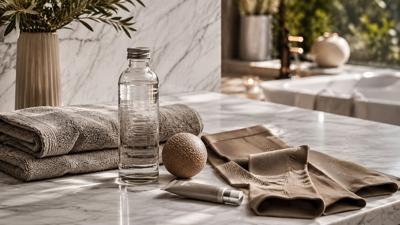
Keep a small basket or drawer with your everyday recovery essentials: a topical pain-relief product, a heating pad or reusable cold pack, a stretch strap, compression socks, a massage ball, and whatever else you reliably reach for after activity. Store it where you need it, not where it looks pretty. A recovery drawer in the bathroom, closet, laundry room, mudroom, or bedroom is more useful than a wellness shelf styled so carefully no one dares touch it.
Then make the routine easy. Stretch for five minutes after activity. Drink water before the headache arrives. Use the tool before the ache becomes a full complaint. Go to bed before your lower back starts making decisions for the rest of you.
Modern recovery is not about turning life into one long wellness project. It is about staying comfortable enough to keep living the life you actually like: traveling, moving, gardening, playing, hosting, walking, lifting, laughing, and occasionally pretending that a “casual” pickleball game did not become a full competitive event.
There is nothing unglamorous about taking care of the body that carries you through all of it. The real luxury is waking up the next day and feeling ready to do it again.
(0) comments
We welcome your comments
Log In
Post a comment as Guest
Keep it Clean. Please avoid obscene, vulgar, lewd, racist or sexually-oriented language.
PLEASE TURN OFF YOUR CAPS LOCK.
Don't Threaten. Threats of harming another person will not be tolerated.
Be Truthful. Don't knowingly lie about anyone or anything.
Be Nice. No racism, sexism or any sort of -ism that is degrading to another person.
Be Proactive. Use the 'Report' link on each comment to let us know of abusive posts.
Share with Us. We'd love to hear eyewitness accounts, the history behind an article.