

The beginning of a new year inevitably inspires a collective return to wellness. Traditionally, that impulse has sent many rushing back to crowded gyms lined with treadmills and cardio machines. Yet an intriguing shift has begun taking place in the world of fitness. Wellness enthusiasts are increasingly choosing to stay home, investing in beautifully designed compact equipment that integrates seamlessly into their living spaces and daily routines.
This movement reflects a broader cultural evolution in which health is intertwined with design, technology and luxury. For readers who appreciate living well, a refined and well-equipped home gym has quietly become an essential extension of a sophisticated lifestyle.
Compact Strength Without Visual Noise
Strength training remains one of the most effective ways to improve body composition, support joint function and build long-term resilience. But bulky racks and iron stacks seldom blend into elegantly curated homes. This has led to a new era of compact strength solutions that emphasize performance without sacrificing aesthetics.
Adjustable dumbbells replace entire weight trees, kettlebells have reemerged as sculptural training objects, and modern band systems can tuck discreetly into a drawer yet replicate the full spectrum of pressing, pulling and hinging movements. For frequent travelers, these tools maintain routine without demanding a packed suitcase or a hotel gym.

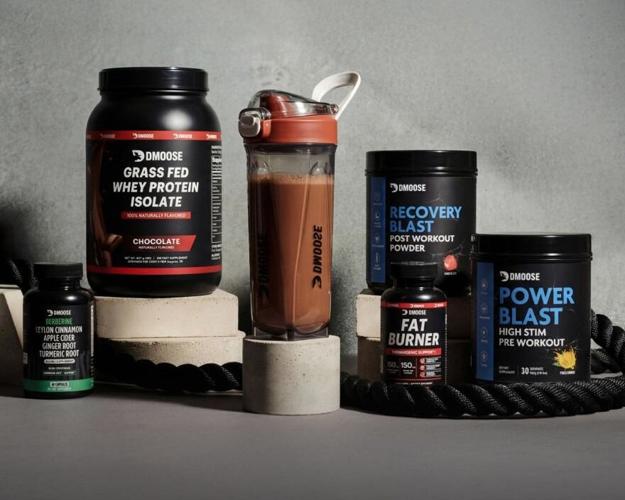
Brands such as DMoose exemplify this shift with adjustable dumbbells and travel-ready resistance systems that let strength training follow you rather than dictate your space. Weighted micro-gear from Bala transforms training accessories into minimalist décor, proving that wellness equipment no longer needs to be visually loud or industrial.
Accessories That Elevate the Experience

Alongside primary strength tools, compact accessories continue to redefine home workouts. The humble jump rope is now a smart Bluetooth-equipped device capable of tracking cadence and interval patterns. Balance boards and core sliders are embraced for building stability and neuromuscular control qualities that become increasingly valuable with age.
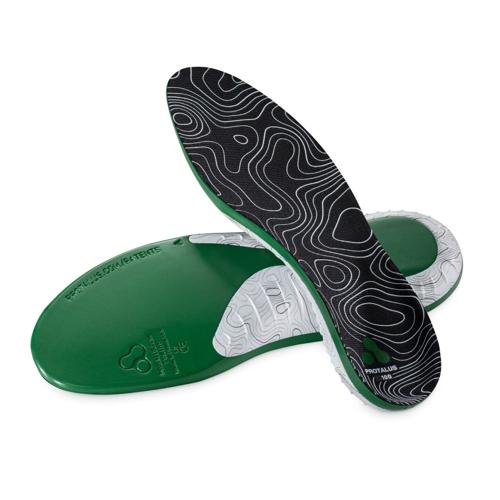
Foot alignment plays a subtle yet foundational role as well. Insoles from Protalus help correct biomechanics for walkers and runners alike, complementing a training routine that includes more time on the feet as the weather warms.
Gear also extends beyond the workout itself. Structured leather gym bags from DMoose help active professionals transition seamlessly between office, studio and weekend escapes, while the rugged Island Hopper backpack from CorSurf encourages cross-training outdoors through hikes, beach workouts and active travel.

Even the post-session commute is getting attention. Bamboo charcoal purifiers from Purggo naturally neutralize stubborn gym odors without synthetic fragrances, making the ride home feel as refreshed as the workout.
Technology as the Invisible Personal Trainer

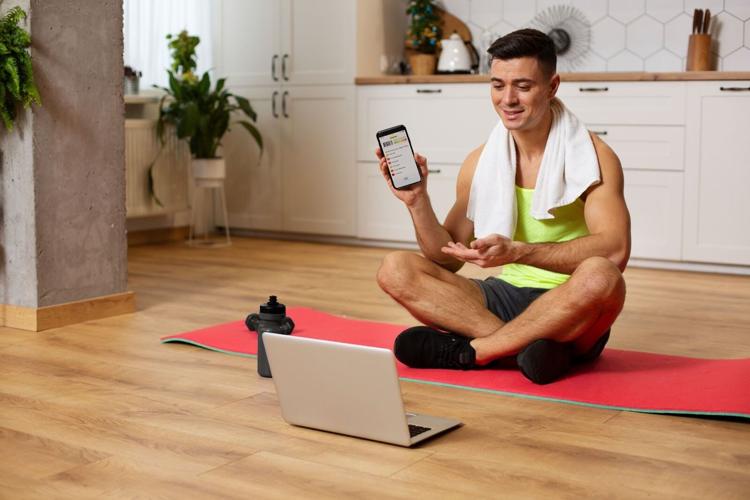
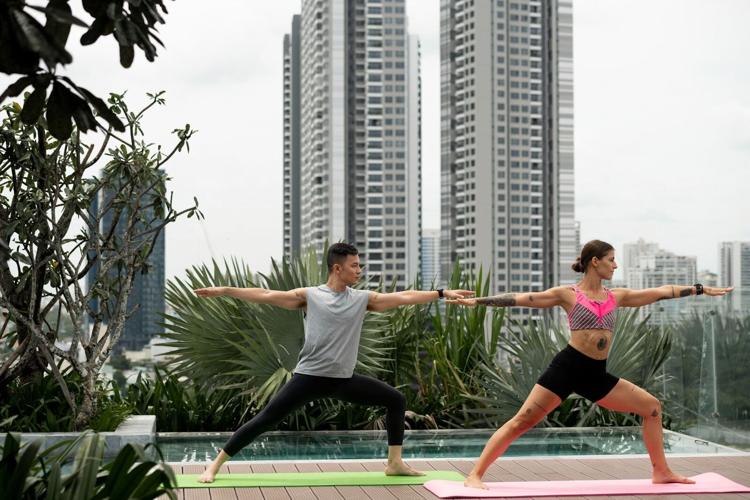
Digital coaching and connected platforms have transformed at-home workouts into guided experiences that rival premium studios. Modern training apps leverage wearables and adaptive programming to tailor intensity, volume and recovery to individual goals. Whether sculpting, improving flexibility or reducing stress, yoga and mobility platforms now offer world-class instruction without memberships or commutes.
What distinguishes current digital ecosystems from their early iterations is structure and accountability. Metrics track improvement over time while recommending incremental adjustments the very support many once relied on personal trainers for. For professionals with demanding schedules, this flexibility often determines whether wellness becomes a habit or an aspiration.
Recovery as the New Luxury
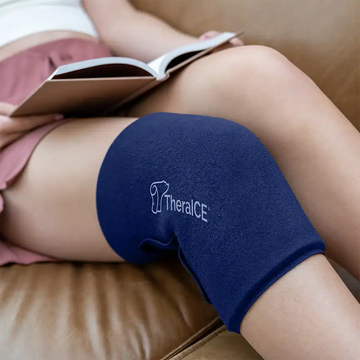
While intensity often earns the spotlight, recovery is where progress actually takes place. Longevity science and athletic performance research have pushed recovery tools into the mainstream, making muscle repair, inflammation control and joint health as important as strength and cardio.
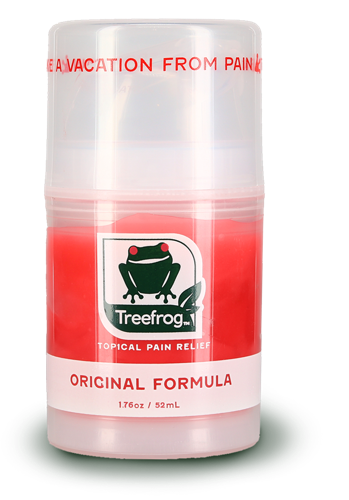
Hot-cold compression sleeves from TheraICE deliver targeted relief to fatigued joints and tendons, supporting both athletes and weekend warriors through heavy cycles of training. Natural balms and topical recovery formulas from TreeFrog Relief harness botanical ingredients to soothe soreness without harsh chemical additives.

This recovery-oriented approach has reshaped how homeowners think about wellness. It is no longer a matter of “pushing harder,” but rather investing in the systems that allow the body to adapt, rebuild and continue without injury.
Sleep as the Final Performance Multiplier

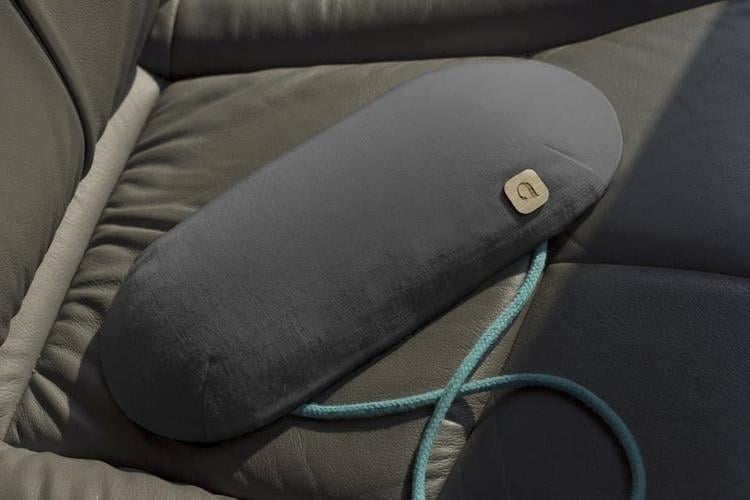
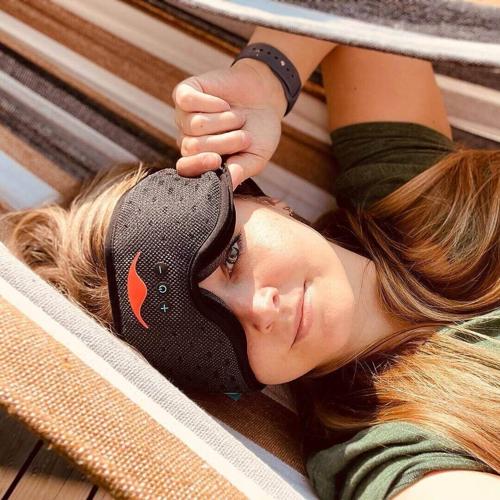
The fitness cycle closes during sleep the stage where tissue repairs, hormones rebalance and the nervous system downshifts. Weighted light-blocking sleep masks from Manta Sleep promote deeper rest by eliminating ambient light and providing gentle pressure known to reduce nervous system agitation. For busy individuals, better sleep often becomes the differentiator that keeps training consistent throughout the year.
Designing a Refined Home Fitness Environment
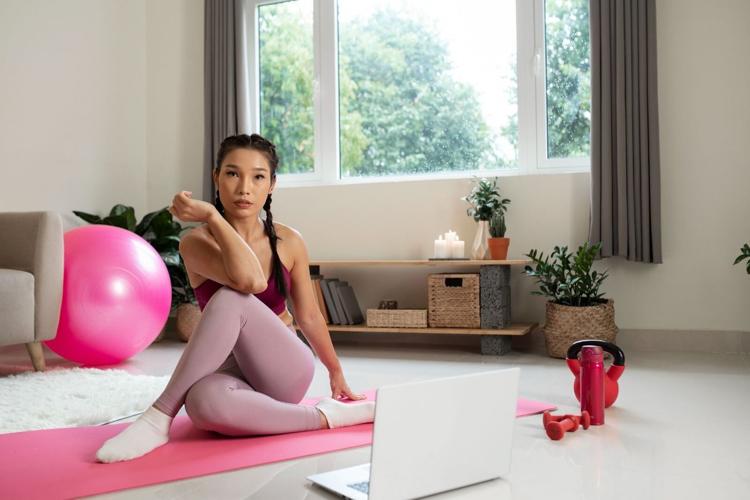
Wellness is as much about ambiance as it is about effort. A thoughtfully designed home workout space does not require a full gym; it flourishes through subtle visual cues that encourage use and reduce friction.
A high-quality mat anchors the environment, defining the training zone while providing grip and cushioning. Many mats now use eco-materials and muted tones that complement modern interiors rather than disrupt them. Discreet storage — woven baskets, cabinetry and shelving — allows equipment to disappear when not in use, preserving clean sight lines and the aesthetic calm of the home.
Soft lighting, curated playlists and sensory elements turn workouts into rituals rather than tasks, making wellness a form of luxury rather than obligation.
Building Consistent At-Home Routines
Compact equipment creates endless possibilities for structured at-home programming. A well-balanced weekly routine might include three strength days, two mobility or yoga sessions and one day of high-intensity interval or athletic conditioning. Adjustable dumbbells and resistance systems handle most strength demands, while sliders, ropes and balance tools add metabolic and neuromuscular variety.
This approach aligns with contemporary longevity research showing that small, regular bursts of movement accumulated throughout the week significantly improve cardiovascular, musculoskeletal and cognitive health. A refined routine does not demand extreme commitment — only thoughtful consistency.
Wellness as a Lifestyle Investment

More homeowners are treating wellness as an investment similar to travel, art or home renovation. The ability to maintain strength, mobility and vitality enriches the very experiences Fine Homes & Living readers value — from skiing and golf to culinary discoveries and global adventures.
When wellness integrates seamlessly into the home environment, it becomes part of daily rhythm rather than a separate task. Over time, the cumulative benefits are both profound and deeply personal.
The evolution of luxury home fitness suggests a clear trajectory. Equipment will continue to become smarter, more compact and more elegantly designed. Digital coaching will grow increasingly adaptive, and biofeedback will deliver insights once reserved for elite athletes. For those seeking a healthier new year without sacrificing aesthetics or space, the modern compact home fitness landscape offers an elegant solution. Wellness need not be loud or sprawling. It can be refined, thoughtful and perfectly at home.
(0) comments
We welcome your comments
Log In
Post a comment as Guest
Keep it Clean. Please avoid obscene, vulgar, lewd, racist or sexually-oriented language.
PLEASE TURN OFF YOUR CAPS LOCK.
Don't Threaten. Threats of harming another person will not be tolerated.
Be Truthful. Don't knowingly lie about anyone or anything.
Be Nice. No racism, sexism or any sort of -ism that is degrading to another person.
Be Proactive. Use the 'Report' link on each comment to let us know of abusive posts.
Share with Us. We'd love to hear eyewitness accounts, the history behind an article.