
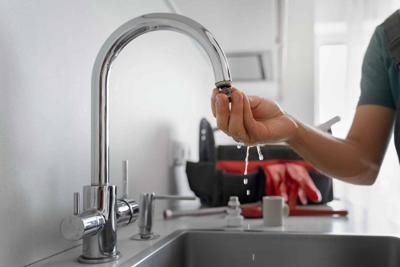

Most people think about water quality only when something tastes off or smells strange. What often gets overlooked is how indoor water quality quietly affects daily health. From the water used to drink and cook to the water used for bathing, washing dishes, and brushing teeth, exposure happens every single day.
Poor indoor water quality does not always cause immediate problems. In many homes, the impact builds slowly. Skin irritation, stomach discomfort, dry hair, or recurring plumbing issues can all be signs that the water inside the home needs attention.
Understanding what affects indoor water quality and knowing how to improve it can make a real difference for both health and comfort.
Why Indoor Water Quality Matters More Than You Think
Municipal water treatment systems are designed to make water safe for delivery, but that does not guarantee clean water at the tap. Once water enters a home, it travels through pipes that may be decades old. During that journey, it can pick up contaminants, sediment, or unwanted chemicals.
According to public health data, millions of households still rely on aging plumbing systems. Older pipes may contain materials that are no longer recommended today. Even in newer homes, mineral-heavy water can create issues over time.
Indoor water quality matters because it affects the body in multiple ways. Drinking water impacts digestion and hydration. Bathing water affects skin and hair. Cooking water influences food quality. Over time, poor water quality can contribute to discomfort that many people do not immediately connect to their plumbing.
Common Water Quality Issues Found Inside Homes
Indoor water problems vary by location, but several issues appear frequently across households.
Hard water is one of the most common concerns. It contains high levels of minerals like calcium and magnesium. While not dangerous to drink, hard water can dry out skin, damage hair, and shorten the lifespan of appliances.
Chlorine is often added during water treatment to kill bacteria. When levels are high, it can cause skin irritation and strong odors. Some people also notice digestive sensitivity when chlorine-heavy water is consumed regularly.
Sediment buildup can occur when particles from pipes or the water supply settle in household plumbing. This affects water clarity and can damage fixtures.
In older homes, pipe corrosion may introduce metals into the water. Even low-level exposure over time can be a concern, especially for children and older adults.
In some homes, declining water quality is caused by aging or damaged water lines, which allow sediment and contaminants to enter the water supply. In these cases, professional water line repair may be necessary to restore safe and consistent water flow.
How Water Quality Affects Everyday Health
Poor indoor water quality often shows up in subtle ways before becoming obvious.
Skin and hair issues are common early signs. Dry skin, itchiness after showers, and dull or brittle hair can result from mineral-heavy or chemically treated water.
Digestive discomfort can also occur. Water that contains contaminants or excessive treatment chemicals may irritate sensitive stomachs, even if it meets basic safety standards.
Respiratory irritation is sometimes linked to steam from hot showers. When water contains chlorine or other chemicals, inhaling the steam can irritate airways, especially for those with asthma or allergies.
Long-term exposure to low-quality water can add stress to the body. While most effects are gradual, improving water quality often leads to noticeable improvements in comfort and overall well-being.
Signs Your Home May Have a Water Quality Problem
Many homeowners live with water issues without realizing it. Common warning signs include frequent plumbing repairs, mineral stains on fixtures, soap that does not lather well, or water that smells metallic or chemical-like.
Taste changes are another indicator. If water tastes bitter, overly sharp, or inconsistent, it may be reacting with pipes or carrying excess minerals.
Cloudy water or visible particles suggest sediment buildup. This should not be ignored, as it can damage appliances and reduce water efficiency.
Simple Ways to Improve Indoor Water Quality
Improving water quality does not always require major renovations. Small changes can make a meaningful difference.
Whole-house filtration systems treat water as it enters the home. These systems help reduce chlorine, sediment, and other common contaminants before water reaches taps and showers.
Water softeners are often used in areas with hard water. By reducing mineral content, they protect plumbing, improve appliance performance, and make bathing more comfortable.
Point-of-use filters, such as those installed on kitchen sinks or showerheads, offer targeted improvement. These are useful for households focusing on drinking water or skin sensitivity.
Regular plumbing inspections also play a role. Aging pipes, corrosion, or buildup inside plumbing can undo the benefits of clean water entering the home. Maintenance helps ensure water quality stays consistent.
Why Maintenance Matters as Much as Filtration
Installing filters is only part of the solution. Filters need proper maintenance to stay effective. A neglected system can reduce water flow or even reintroduce contaminants.
Routine checks help identify leaks, corrosion, or pressure issues that affect water quality. Homes with older plumbing benefit especially from periodic evaluations.
Preventive maintenance is often less costly than emergency repairs and supports better water quality long term.
Making Informed Decisions for Your Home
Improving indoor water quality starts with awareness. Understanding the specific issues affecting your home allows you to choose the right solution instead of guessing.
Water testing is a helpful first step. It provides insight into mineral levels, chemical content, and potential contaminants. With clear information, homeowners can make confident decisions that match their needs and budget.
Better water quality is not just about taste. It supports healthier skin, protects appliances, and creates a more comfortable living environment.
Indoor water quality plays a quiet but important role in daily life. Many common health irritations and household problems trace back to water that needs improvement.
By paying attention to warning signs and taking simple steps to improve water quality, homeowners can protect both their health and their plumbing systems. Clean water supports comfort, efficiency, and peace of mind.
(0) comments
We welcome your comments
Log In
Post a comment as Guest
Keep it Clean. Please avoid obscene, vulgar, lewd, racist or sexually-oriented language.
PLEASE TURN OFF YOUR CAPS LOCK.
Don't Threaten. Threats of harming another person will not be tolerated.
Be Truthful. Don't knowingly lie about anyone or anything.
Be Nice. No racism, sexism or any sort of -ism that is degrading to another person.
Be Proactive. Use the 'Report' link on each comment to let us know of abusive posts.
Share with Us. We'd love to hear eyewitness accounts, the history behind an article.