
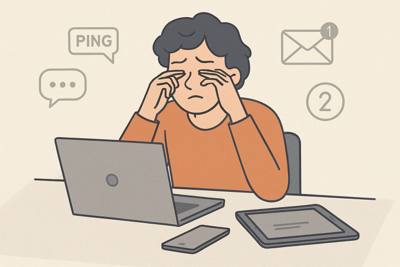
Key Takeaways
Digital fatigue is leading to significant changes in how individuals interact with online platforms.
Users are adopting strategies to manage screen time and reduce digital burnout.
Understanding these behavioral shifts is crucial for businesses and content creators.
Table of Contents
Understanding Digital Fatigue
Impact on Online Behavior
Strategies for Managing Digital Fatigue
Implications for Businesses and Content Creators
Conclusion
Understanding Digital Fatigue
Digital fatigue is a growing phenomenon that describes the exhaustion people experience due to the constant presence of digital screens in their daily lives. With the rise of remote work, virtual meetings, and entertainment options centered on streaming services or social media, people find themselves engaging with technology almost every waking hour. This excessive exposure can result in symptoms such as eye strain, reduced concentration, emotional exhaustion, and a diminished sense of well-being.
As our lives become increasingly digital, managing screen time and avoiding digital fatigue is more critical than ever. Innovative tools are helping users work smarter, not harder, and insights from the Why the Shift browser is redefining productivity, showing how new browser features reduce clutter, improve focus, and streamline online workflows. By rethinking how we approach digital tasks and the content we consume, individuals can reclaim control over their online experience, boost efficiency, and maintain a healthier balance between screen time and real life.
Digital fatigue impacts more than just productivity. It can influence mental health by contributing to stress, sleep disruption, and even decreased motivation for offline interactions. When this state of overwhelm is left unchecked, it can lead to more severe consequences, such as burnout or digital addiction, especially among professionals who rely heavily on tech for their livelihoods.
The early warning signs of digital fatigue include persistent tiredness after screen time, declining engagement with social media, and a noticeable drop in interest in formerly enjoyable digital tools. Recognizing these signals is the first step toward creating a healthier digital environment, both at home and at work. According to The New York Times, breaking schedules and adopting smarter device-use habits can help mitigate this often-overlooked health risk.
Impact on Online Behavior
In response to digital fatigue, users have begun shifting their online engagement patterns. Many are becoming far more selective about the platforms they spend time on, favoring those that offer meaningful experiences over endless scrolling or notifications. Growing preferences for curated news feeds and robust privacy controls highlight a conscious shift in behavior.
Major studies illustrate how digital fatigue is affecting behavior at scale. For example, Pew Research Center found that a sizable portion of teens are reevaluating their social media usage due to feelings of overwhelm and distraction. Similarly, adults are unsubscribing from non-essential emails, limiting app notifications, and seeking out digital experiences they view as valuable rather than simply entertaining.

The desire to regain control over screen time is driving a shift away from noisy, crowded platforms toward quieter, more focused digital experiences. Subscription-based media, targeted content, and minimalistic design interfaces are gaining traction, reflecting the need for less clutter and more value during every online session.
Moreover, consumers are increasingly holding brands accountable for how they contribute to or alleviate digital overload. People are voicing a preference for brands that offer genuine utility and clarity, rather than those that deploy engagement tactics that lead to endless notifications or content fatigue. Brands that proactively address these user concerns are likely to earn long-term loyalty.
Strategies for Managing Digital Fatigue
To fight back against digital overload, users are adopting practical strategies to reclaim their time and well-being. One common tactic involves setting strict daily screen-time limits, using device features or third-party tools to limit app access, and reminding users to take breaks. Setting these parameters helps individuals avoid the trap of mindless scrolling or unplanned multitasking, which can rapidly intensify feelings of fatigue.
Another popular approach is adopting scheduled "digital detox" periods. During these times, individuals deliberately disconnect from all non-essential digital devices, rediscovering analog activities and face-to-face interactions. Weekend break challenges and community-driven detox events have become more commonplace as people search for ways to rejuvenate mentally and physically.
Many are turning to apps that monitor and analyze digital habits, providing real-time data on where attention is being spent. This transparency allows users to make informed choices and prioritize activities that add genuine value. Workplaces are also responding by encouraging regular breaks from screens and adopting policies to prevent after-hours messaging so employees can recharge.
On a systemic level, digital literacy initiatives and institutional guidelines are being introduced to educate people about healthy screen practices. These efforts underscore the importance of balancing digital engagement with self-care and productivity, cultivating ecosystems that prioritize well-being alongside connectivity.
Implications for Businesses and Content Creators
The broad adoption of these self-care strategies is creating new imperatives for organizations and creators looking to maintain relevance and trust online. Businesses must now craft digital experiences that are mindful of user fatigue. Delivering concise, relevant content, rather than flooding audiences with notifications or lengthy, unfocused material, is more crucial than ever.
Consumer expectations are also shaped by the usability and design of digital platforms. Companies that streamline interfaces, minimize unnecessary options, and allow for notification personalization set themselves apart in a crowded digital ecosystem. Features that let users easily pause, mute, or customize information delivery can empower individuals to stay engaged on their own terms.
Content creators should dedicate more effort to understanding their audience’s pain points. Offering meaningful, accessible insights rather than chasing viral trends will become an increasingly important differentiator. Long-form articles with clear organization and actionable advice, interactive tools, and content delivered in digestible formats can all help capture attention without contributing to burnout.
Ultimately, organizations that sincerely address digital fatigue demonstrate a commitment to user well-being. As digital behaviors continue to evolve, the brands that thrive will be those that place value, empathy, and usability at the center of their online presence.
Digital fatigue is an unavoidable challenge in today’s hyper-connected era. As awareness of its risks grows, so too does the opportunity to create smarter, healthier patterns of online engagement. By embracing changes in user behavior and supporting strategies to manage screen time, both individuals and organizations can foster a more positive digital environment for everyone.

(0) comments
We welcome your comments
Log In
Post a comment as Guest
Keep it Clean. Please avoid obscene, vulgar, lewd, racist or sexually-oriented language.
PLEASE TURN OFF YOUR CAPS LOCK.
Don't Threaten. Threats of harming another person will not be tolerated.
Be Truthful. Don't knowingly lie about anyone or anything.
Be Nice. No racism, sexism or any sort of -ism that is degrading to another person.
Be Proactive. Use the 'Report' link on each comment to let us know of abusive posts.
Share with Us. We'd love to hear eyewitness accounts, the history behind an article.