

No one ever talks about how hard recovering after abuse actually is.
But let's get real…
Surviving abuse is one of the most difficult things anyone will ever go through. Survivors that make a plan of action and check those boxes can live a life they thought was out of reach. It isn't an easy process by any stretch of the imagination. But it is very possible.
The good news? There are effective recovery strategies that actually work.
Here's what you'll learn:
Why It Takes Time (And That's Okay)
The Mental Health Effects of Abuse
Evidence-Based Wellness Strategies for Survivors
How to Build a Support System That Works
Taking the First Step Forward
Why It Takes Time
Expecting to snap back into a pre-abuse state of mind is not realistic.
It's easy to think that getting over it would be as simple as a mental flip of a switch. But the truth is recovery takes time and a little patience.
After all, abuse impacts just about every part of a person's life. This includes mental health, physical health, relationships, sense of self, and more. It's going to take time to heal all of those areas simultaneously.
Surviving abuse means a focus on a health and wellness plan that isn't going to happen with a one-and-done solution.
Working with professional help becomes a vital part of the process in a way that it might not have been before. Kayla’s Survivors sexual abuse attorneys have years of experience and can get survivors the legal assistance they need while working through a personal recovery journey. There's a lot of difference in having the right support team on your side.
Here are some sobering statistics to support that…
The National Domestic Violence Hotline reports that individuals who have experienced physical abuse are 3x more likely to meet the criteria for PTSD. That is a staggering number. It drives home exactly how vital professional support is.
The Mental Health Effects of Abuse
Abuse has some significant long-term effects on mental health.
Survivors can experience a host of symptoms including:
Depression
Anxiety
Trust issues
Relationship problems
Other issues
Not because they are weak or failed in some way. But because they are normal human responses to an abnormal situation.
The truth is the brain literally changes after traumatic events. Knowing this can help survivors recognize that their struggles are both valid and… most importantly, treatable.
Trauma therapy has come a long way in recent years. There is an incredible body of research on evidence-based approaches that work including Cognitive Behavioural Therapy and EMDR.
Evidence-Based Wellness Strategies for Survivors
Wondering what works?
Survivors can start with the following wellness strategies. They are what has helped countless survivors rebuild their lives. They form the foundation of successful health and wellness plans after abuse.
Seek Professional Therapy
It is completely non-negotiable.
Working with a therapist who is trained in trauma is one of the most critical things that any survivor can do. The World Health Organisation has reported that with treatment up to 40% of people with PTSD will have recovered within 1 year.
That is not a small number of people. It is significant.
There are different therapy types that work for different people. Some of these include:
Cognitive Processing Therapy which is aimed at helping to reverse harmful patterns of thinking
Prolonged Exposure Therapy which helps decrease fear responses
EMDR or Eye Movement Desensitization Reprocessing
Group Therapy with other survivors
Finding what fits is on an individual level. There is no one-size-fits-all method to the recovery process. Moreover, engaging with professional therapy in Glasgow provides a tailored and supportive environment where you can explore these personal paths to healing and lasting mental clarity.
Prioritize Physical Health
Our mind and bodies are very much connected.
Physical health and wellness can be a critical component to the mental recovery process. Survivors who prioritize physical wellbeing frequently report improvements in their mental health as well.
This doesn't mean becoming a tri-athlete overnight. This means:
Getting enough sleep each night
Eating regular nutritious meals
Moving the body in ways that are enjoyable
Limiting alcohol and substance use
It's the small things that make a difference. Even a daily 20-minute walk can help decrease anxiety and lift moods.
Practice Mindfulness and Grounding
Trauma can keep the brain stuck in the past.
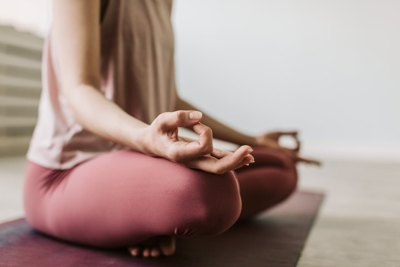
Mindfulness can return survivors to the present moment. Grounding techniques can also help survivors manage flashbacks and anxiety when they happen. These practices are important to train the brain to recognize safety in the present.
The thing is…
Survivors can often feel disconnected from their bodies. Mindfulness can be a way to reconnect to it slowly and safely.
Some grounding exercises and techniques include deep breathing, 5-4-3-2-1 sensory technique, and progressive muscle relaxation. These are tools survivors can access to help them regain a sense of control during difficult times.
The best part? They can be done anywhere, any time. No equipment necessary.
Build a Support System That Works
Survivors do not have to go through this alone.
It is critical to have the right people around. A strong support system will be there to offer encouragement during difficult times and to celebrate when there are milestones to celebrate.
Here's what a healthy support system can include:
Professional support from therapists and counselors
Legal support from professional attorneys when necessary
Trusted friends and family who will listen without judgment
Support groups from other survivors who understand
The truth is not everyone will be helpful. Survivors should never feel bad about distancing themselves from people who dismiss their experiences or rush them to "move on" before they are ready.
Boundaries are a form of self-care.
Taking that First Step Forward
Ready to begin the recovery journey?
Here is an easy action plan to follow:
Step 1: Admit there is a need for help. It takes courage. But that is what opens the door to healing.
Step 2: Look for trauma-informed therapists in the area. Many offer free consultations.
Step 3: Consider the option of legal support. There is healing in holding abusers accountable for their actions.
Step 4: Identify at least one trusted person to confide in. It helps to have at least one supportive relationship.
Step 5: Start small with physical health. Pick one healthy habit to start working on first.
It will not always be linear. Survivors will have good days and bad days. That is completely normal.
Moving Forward
Surviving abuse is a journey that takes time. The patience of others, professional support, and a commitment to self-care.
The recovery strategies listed above are known to work. They have helped thousands of survivors go from surviving to thriving. A healthy life after trauma is not only possible. It is also achievable with the right approach.
It is essential to remember that:
Recovery is not forgetting what happened. It is about processing the event(s) so they no longer have a hold over daily life.
Survivors can acknowledge their past while building a healthier and brighter future.
Professional therapy provides tools to help with the healing process.
Focusing on physical health also supports mental health and recovery
A proper support system can make all the difference in a survivor's recovery.
It takes time and patience. This is more than okay.
Every small step forward is worth celebrating.
Survivors of abuse deserve to live full and healthy lives. With the right support in place, that future is possible. The journey begins with one small step.
Let that step be today.


(0) comments
We welcome your comments
Log In
Post a comment as Guest
Keep it Clean. Please avoid obscene, vulgar, lewd, racist or sexually-oriented language.
PLEASE TURN OFF YOUR CAPS LOCK.
Don't Threaten. Threats of harming another person will not be tolerated.
Be Truthful. Don't knowingly lie about anyone or anything.
Be Nice. No racism, sexism or any sort of -ism that is degrading to another person.
Be Proactive. Use the 'Report' link on each comment to let us know of abusive posts.
Share with Us. We'd love to hear eyewitness accounts, the history behind an article.