


A beautiful room can lose its appeal quickly when the sofa sags, the finish scratches, or the scale feels wrong.
The pieces that age well are rarely the flashiest ones. They are the pieces with sound frames, durable upholstery, and proportions that suit the room and the people using it.
That matters even more in Australian homes, where strong sun, indoor-outdoor traffic, and open-plan living put furniture under real pressure.
When you choose with care, a renovation, room refresh, or whole-home furnishing project feels less trend-led and far more lasting.
Key Takeaways
Use these principles to keep every purchase grounded, comfortable, and relevant for years.
- Buy for structure first. Frames, joinery, cushion fill, and fabric durability outlast passing colours and prints.
- Plan the room before you shop. Measure, map movement, and set a spend hierarchy so money goes to the hardest-working pieces.
- Choose for Australian conditions. Strong sun, coastal air, and active households call for fade-resistant textiles and easy-care finishes.
- Ask for proof. Request timber species, foam density, abrasion ratings, and clear warranty terms.
- Compare retailers on service, not just price. Delivery, lead times, aftercare, and returns shape satisfaction long after checkout.
- Blend new and existing pieces with intention. Repeat tones, balance shapes, and keep one meaningful anchor piece in each room.
Why Furniture Choices Shape Long-Term Home Value And Daily Comfort
Furniture choices influence how your home feels now and how it is judged later. Broader luxury home and lifestyle coverage on home furnishing and design tracks the same principle across other parts of refined living, where the homeowners getting the best long-term value treat furniture, finishes, and decor as connected investments in considered taste rather than rushed purchases.
Furniture affects comfort every day, but it also shapes the impression a home leaves. A well-scaled sofa, solid dining table, or calm bedroom scheme makes rooms feel considered and settled.
Cheap construction usually shows itself fast. Cushions lose shape, drawers stick, and thin veneers chip at the edges, which means you pay again far sooner than planned.
Australia's climate raises the stakes. The Bureau of Meteorology notes that UV levels in Australian cities regularly reach High to Extreme, so window-side fabrics and timber finishes need fade resistance or protection from sheers and film.
The Australian Consumer Law also matters. If a product has a major problem, you can seek a refund or replacement, but it is still better to avoid trouble by choosing proven quality before you buy.
Plan Your Furniture Collection By Room And Lifestyle
A lasting collection starts with measurements, routines, and priorities, not impulse buys.
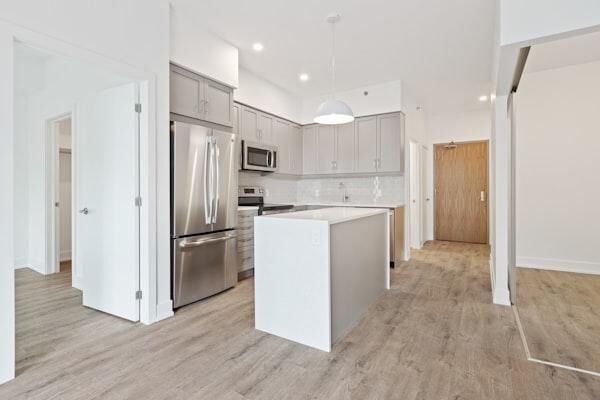
Begin with the room itself. Tape out the size of a sofa, bed, or dining table on the floor, and keep about 1000 mm clear through busy zones so the space stays easy to move through.
Then list how the room needs to work. Children, pets, coastal air, regular hosting, and direct sun all influence the right fabric, finish, storage, and seating depth.
Room-By-Room Priorities
Spend the most on the pieces that carry the room and get the hardest daily use.
- Living Room: Invest in the sofa first, then choose occasional chairs, a properly scaled rug, and storage that keeps clutter under control.
- Dining Room: Focus on a durable table surface, comfortable chairs, and enough clearance for guests to move without squeezing past walls.
- Bedroom: Put budget into the mattress, bed base, and bedside tables at a practical height, then layer in lighting and soft furnishings.
- Home Office: Prioritise a supportive chair, a desk that suits your height, and storage that keeps cables and paperwork out of view.
- Outdoor Areas: Choose rust-resistant frames and fabrics suited to strong sun, rain, and salt air.
A simple budget split is 40 percent to primary seating, 20 percent to rugs and window treatments, 15 percent to storage, 15 percent to tables and lighting, and 10 percent to finishing layers. Shift those numbers if you already own strong anchor pieces.
What To Look For In Quality Construction And Materials
The best pieces reveal their value in the frame, fill, fabric, and finish.
Timber And Joinery
Start with the frame and the way parts are joined, known as joinery. Look for kiln-dried hardwood or quality plywood in frames, mortise-and-tenon or dowelled joints in chairs, and dovetailed drawers or screwed corner blocks in storage pieces.
For busy surfaces, timber hardness matters. Spotted gum and blackbutt are tougher choices for dining tables and desks than softer Tasmanian oak.
If engineered boards are used, ask for low-emission E0 or E1 panels and responsibly sourced timber, such as FSC-certified options. In Australia, GECA certification is another strong sign of a well-considered product.
Seating And Cushion Systems
Comfort comes from what sits under the fabric. A reliable sofa usually has a hardwood or plywood frame, webbing or spring support, and seat foam around 30 to 36 kg/m3 for everyday resilience.
Feather wraps add softness, but they need more plumping. In the store, sit for at least fifteen minutes and check whether the seat still feels supportive, the back supports your lower spine, and the frame stays quiet when you shift.
Fabrics And Leather
Ask for abrasion data, which measures how well a fabric resists wear. In Australia and New Zealand, retailers commonly reference Martindale ratings, and family spaces should sit in a Heavy Domestic category or better.
Near north- or west-facing windows, fade resistance matters as much as texture. For leather, full-grain and top-grain options usually age better than bonded leather, and removable covers make maintenance easier.
Compare Furniture Retailers And Online Stores Before Buying
A smart purchase depends as much on retailer transparency as on the piece itself.
The retailer matters almost as much as the product. Strong stores tell you what the piece is made from, how it is built, how long it will take, and what support you will get if something goes wrong.
Compare each seller on five points: specification depth, delivery and access planning, realistic lead times, aftercare, and returns that sit clearly alongside Australian Consumer Law. A useful benchmark is to look at how Australian retailers present materials, swatches, and service alongside clear product specifications and warranty terms.
Once you have the criteria in front of you, run the same shortlist through one more side-by-side check on materials, swatches, delivery access, lead times, warranty wording, and aftercare so price is not the only variable in the decision. For an Australian market comparison that keeps specifications and service details visible, browse furniture stores in Australia and then narrow your options to two or three pieces to inspect or sample before you decide.
Before you commit online, order fabric or finish samples and view them morning and night in your own home. That caution matters even more with offshore sellers, where legal rights can be harder to enforce in practice.
If a store cannot explain the frame, fill, fabric rating, or warranty in plain language, keep looking. Clear answers are part of the product.
How To Mix New Pieces With Existing Furniture For A Cohesive Look
A cohesive room comes from repeated cues, balanced shapes, and a clear sense of what stays.
A collected room does not need matching sets. It needs repeated cues so old and new pieces speak to each other.
Start with one anchor piece you already love, such as a vintage sideboard or a family dining table. Repeat its timber tone, metal finish, or curve in two other places, then keep the palette to two or three core colours.
Balance visual weight as carefully as colour. Pair a generous sofa with lighter side tables, or a slim dining table with more substantial chairs, and use a large rug, curtains, and cushions to bridge the mix.
If a new hero piece has sculptural lines or a bold fabric, let the surrounding items stay quieter. That restraint makes the room feel layered rather than busy.
The best homes are furnished with patience, proof, and a clear point of view.
Lasting furniture choices come from patience and proof, not urgency.
Measure first, invest in core pieces, ask better questions about construction, and compare retailers on service as well as style. The result is a home that feels refined now and still looks right when the next wave of trends passes.
FAQs
These answers cover the questions that come up most before a major furniture purchase.
How Much Should You Budget To Furnish A Room?
Anchor your spend to daily use and expected lifespan. Put the most into primary seating, mattresses, and dining tables, then save on side tables, lamps, and decorative accents. If the budget feels tight, buy fewer pieces of better quality instead of filling the room all at once.
Are Online-Only Retailers Covered By Australian Consumer Law?
Yes. Businesses that sell to Australian consumers are still expected to meet Australian Consumer Law guarantees, but remedies can be harder to enforce when the seller is based offshore. Keep product descriptions, invoices, emails, and delivery records from the start.
What Upholstery Fabric Works Best With Kids And Pets?
Look for performance fabrics with clear abrasion ratings and easy-clean finishes. Tight weaves usually release hair and stains more easily than loose, textured weaves, and a Heavy Domestic rating is a sensible benchmark for busy family rooms.
Is Solid Wood Always Better Than Veneer?
No. High-quality veneer over stable plywood can be an excellent choice for cabinet doors and large panels because it resists movement well. Solid timber is especially valuable in frames, edges, and tabletops, where repairability and character matter most.

(0) comments
We welcome your comments
Log In
Post a comment as Guest
Keep it Clean. Please avoid obscene, vulgar, lewd, racist or sexually-oriented language.
PLEASE TURN OFF YOUR CAPS LOCK.
Don't Threaten. Threats of harming another person will not be tolerated.
Be Truthful. Don't knowingly lie about anyone or anything.
Be Nice. No racism, sexism or any sort of -ism that is degrading to another person.
Be Proactive. Use the 'Report' link on each comment to let us know of abusive posts.
Share with Us. We'd love to hear eyewitness accounts, the history behind an article.