
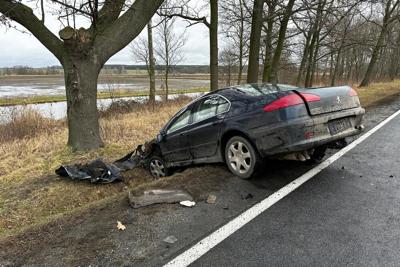

A single crash can change the direction of everything that follows, but what often gets overlooked is how different the next steps can be depending on who is handling the situation. One path is filled with personal decisions made under pressure, while the other involves structured support that guides each stage with clarity. The difference is not always visible at the beginning, yet it slowly becomes clear as paperwork, communication, and financial decisions start to build up.
In many situations, the idea of compensation after a fatal car accident is not something that feels simple or direct, especially when families are trying to understand what comes next.
Handling a Claim Alone After a Fatal Car Crash
Direct communication with insurance companies
When a person manages a claim on their own, all communication goes straight to insurance representatives. These conversations may seem simple, but they often involve careful wording and detailed questions. Small misunderstandings can easily happen, and once something is recorded, it becomes part of the claim history. Without guidance, it is easy to miss how each response fits into the bigger process.
Limited understanding of claim value
Many people focus only on visible expenses like repairs or immediate medical bills. What often gets missed are long-term effects, ongoing care, or future financial impact. Because of this, the full value of the claim may not be fully understood. Decisions are sometimes made based on what feels immediate rather than what may come later.
Documentation challenges
A car accident claim requires organized records such as reports, photos, and written details. Managing all of this alone can feel scattered and confusing. Important information may be missed or not recorded in the right way. Over time, missing details can affect how the entire claim is reviewed and processed.
Pressure during settlement discussions
Insurance companies may move toward early settlement offers. Without a proper understanding of how claims are evaluated, it can become difficult to judge whether the offer reflects the full situation. Decisions made under pressure may not always match the long-term needs of the case.
Having Legal Support After a Crash
Structured handling of the entire claim process
With legal support, the process follows a clear structure. Communication, documents, and timelines are managed in an organized way. Instead of handling everything separately, each step connects to the next, creating a smoother flow throughout the claim process.
Stronger evaluation of the claim
A detailed review of all damages, injuries, and long-term effects is carried out. This includes financial losses that may not be obvious at first. The focus is on understanding the full picture rather than only immediate costs. This helps in building a more complete claim assessment.
Organized evidence collection
Evidence such as accident reports, medical records, and witness information is collected and arranged properly. This helps ensure that nothing important is left out or misrepresented. A well-organized file also makes it easier to present the case clearly when needed.
Negotiation with insurance companies
Communication with insurance companies is handled in a structured way. Instead of direct pressure on the individual, discussions are managed professionally. This helps maintain clarity during settlement conversations and reduces confusion about what is being offered or discussed.
Key Differences Between the Two Approaches
Clarity in understanding the process
Handling a claim alone often means learning each step as it comes. With legal support, the process is explained and structured from the beginning, which helps reduce confusion.
Control of communication flow
When managing alone, communication happens directly and repeatedly. With support, communication is organized and filtered, so important details are not lost or misinterpreted.
Depth of claim evaluation
Personal handling may focus on immediate costs, while legal support considers broader financial and long-term impacts, which can change how the claim is viewed overall.
Emotional and mental pressure
Managing a claim alone can feel overwhelming, especially when recovery or stress is involved. Support helps reduce this pressure by handling complex parts of the process.
Why the Approach Shapes the Outcome
Every claim begins with the same event, but the path that follows depends heavily on how it is managed. Handling everything alone may seem straightforward at first, but it often involves layers of detail that are easy to miss without experience or structure. Having legal support brings order to communication, documentation, and evaluation, which helps the process move with more clarity.
The difference between the two approaches becomes clearer over time as each step unfolds. In many situations involving compensation after a fatal car accident, the way information is gathered and reviewed plays a major role in how the situation is ultimately understood and resolved.


(0) comments
We welcome your comments
Log In
Post a comment as Guest
Keep it Clean. Please avoid obscene, vulgar, lewd, racist or sexually-oriented language.
PLEASE TURN OFF YOUR CAPS LOCK.
Don't Threaten. Threats of harming another person will not be tolerated.
Be Truthful. Don't knowingly lie about anyone or anything.
Be Nice. No racism, sexism or any sort of -ism that is degrading to another person.
Be Proactive. Use the 'Report' link on each comment to let us know of abusive posts.
Share with Us. We'd love to hear eyewitness accounts, the history behind an article.